I never thought a simple grain would teach me so much about heat until I tried this 20 Minute Couscous Recipe in my little kitchen. I’m that neighbor who’ll peer over your shoulder watching water dance on the stove. I keep nudging myself to remember how every bump in temperature changes flavor and texture. When that steam hits the tiny couscous pearls I’m always amazed at the way they expand, like they’re waking up with all their salty goodness.
Cooking for me is half science half memory. I recall my first try when I let the pot run at full blast, skipping the gentle slow simmer phase. That time the texture got mushy and I learned how crucial it is to respect heat. Now I check my pot and I whisper to myself, hey remember to lower the flame so that no pearl gets left behind in a hard clump.
As I pull on my apron I’m thinking about caramelization and Maillard browning even though this recipe barely touches on those. It’s about that quick steam infusion, that brief moment when grains absorb seasoned broth. And yes I have to remind myself to let things rest, like protein rest in bigger dishes, to settle flavors before digging in. Let’s start this easy recipe and see how each tiny pearl shows off heat at work.
What Happens When Heat Meets Tiny Pearls
Heat is not just fire under a pot it’s a tool that shapes every bite. In this section I break it down in plain words. I explain why bringing broth to a gentle low and slow simmer matters more than cranking up the burner. When you ease into that simmer stage you let each couscous piece soak evenly without busting open or sticking together.
I like to think of heat as a slow teacher. It shows me how temperature swings can spell success or disaster. Go too hot and youve lost control of texture. Keep it mild and you let perfect absorption happen. This is the trick behind my 20 Minute Couscous Recipe. You end up with fluffy grains not a sticky clump.
My Pantry Sidekicks for Fast Couscous Wins
- Couscous about one cup fresh pearls
- Vegetable broth two cups for deeper flavor
- Extra virgin olive oil one tablespoon for silkiness
- Lemon juice from half a fruit for bright zing
- Salt half teaspoon or to taste
- Pepper a few cracks for mild heat
- Fresh herbs like parsley or cilantro roughly chopped
- Optional feta cheese crumbled on top for creamy contrast
These staples are always in my cabinet or fridge. I recall I once tossed in a pinch of cumin and some toasted nuts just for fun and it felt like a fancy mezze plate. Don’t be afraid to riff on this base.
Preheat Prep and Mise En Place
Before I even touch the couscous I set up my station. I line up the broth near the stove and measure spices in small bowls. Why does this matter? It keeps me from overcooking that pot while searching for my salt shaker.
- Step 1, Bring the broth to a simmer in a saucepan
- Step 2, Measure your couscous in a heat proof bowl
- Step 3, Drizzle olive oil and lemon juice over the dry pearls
- Step 4, Sprinkle salt and pepper evenly
- Step 5, Keep herbs and optional cheese ready to top
Having everything in place helps me focus on that perfect gentle simmer. I find this approach also applies to bigger dishes when I use a slow simmer for soups or stews.
Aromas That Hint at Couscous Success
When that broth first hits a low boil I inhale deep and my kitchen fills with warm salty steam. It’s not heavy or rich like a slow simmered stock. It’s pure quick infusion and it smells bright.
Moments later I lift the lid of my bowl after pouring in the hot broth. A soft lemony steam puffs out and I catch tiny herb scents. Those wisps are my cue that the grains will stay tender and separate.
The Moment to Peek and Stir
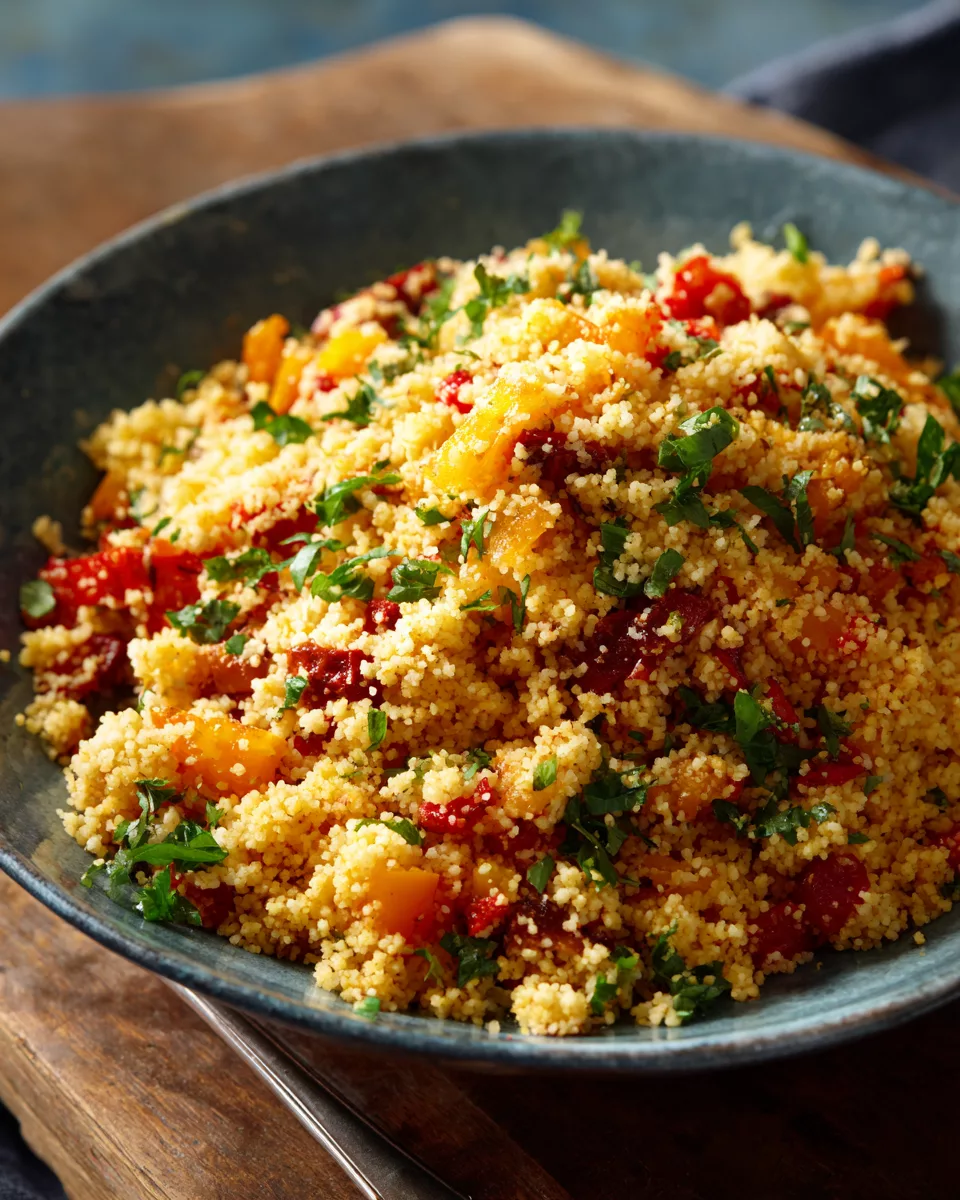
About ten minutes into this 20 Minute Couscous Recipe I tip the bowl and gently fluff with a fork. I check if any pearls are still hard or clumped. This is my mid cook checkpoint. I look for even moisture distribution not limp clumps. If something seems stuck I nudge it with the fork.
Then I cover the bowl again and let it rest. Remember protein rest in other recipes well here the couscous absorbs fully. That rest time is crucial. If you skip it grains get gummy.
Quick Taste and Texture Check
I taste a couple pieces with my fork like I’m a food scientist recording notes. I notice any slight chew that tells me if I should add a teaspoon of water or let it rest longer. If it feels perfect I note how the grains are tender yet spring back a bit. That little bounce is why I whisper to myself remember to respect the heat settings.
At this point I sometimes toss in a drizzle of olive oil and a tiny shake of salt for final balance. The caramelization of herbs in that warm oil adds an extra layer of flavor even when its subtle.
Turning Simple Grains into Artful Bowls
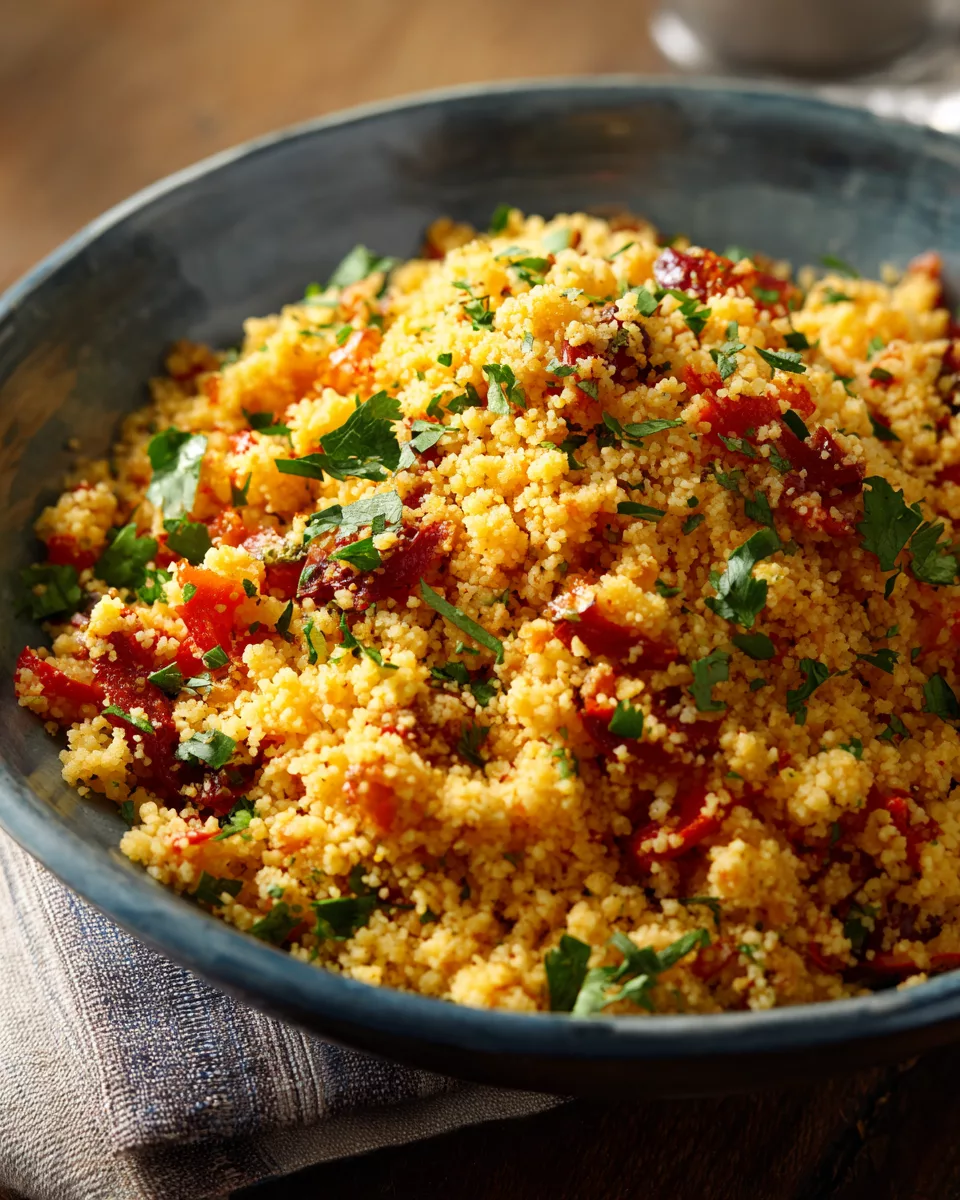
For plating I scoop a heap of couscous into a shallow bowl. I add a handful of chopped parsley or cilantro on top. Then I sprinkle feta if I want creamy tang. This always looks inviting and colorful.
You can also add roasted vegetables or grilled chicken for protein. After you let that meat cool you remember the protein rest rule to keep juices locked in before slicing. It makes every bite pop.
Leftover Couscous Remix Hacks
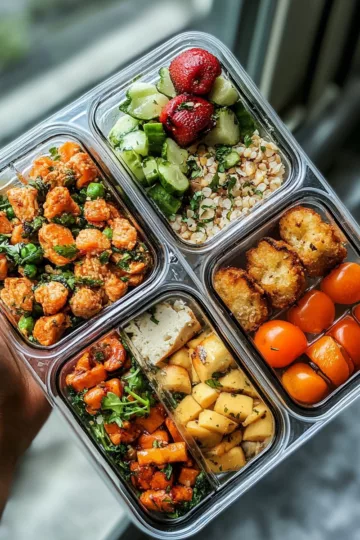
Got extra couscous left? I store it in an airtight container in the fridge. Within a day it keeps its texture. I use leftovers in salad by tossing with chickpeas, diced tomatoes and a bit more lemon juice.
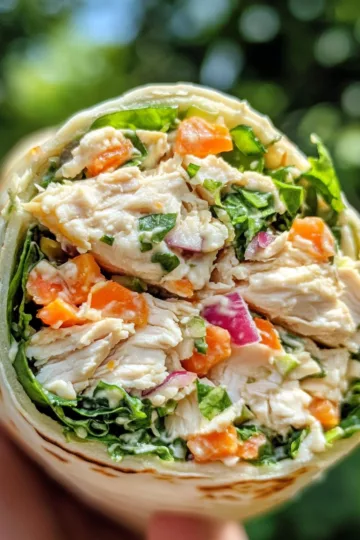
Another trick is to stir a spoon of yogurt and some chopped cucumbers for a quick side dish. Leftover couscous even works inside stuffed peppers or as a filling for wraps. Youll be surprised how versatile these little pearls get after a night in the fridge.
Key Tips Takeaways Plus Common Questions
Tip One, Always preheat your broth to a gentle simmer not a rolling boil. That low and slow approach keeps grains tender. It’s the secret behind my 20 Minute Couscous Recipe.
Tip Two, Drizzle olive oil or lemon juice over the dry couscous before adding liquid. This tiny step helps each pearl stay separate once it absorbs moisture.
Tip Three, Let the mixture rest covered after stirring. Similar to protein rest this pause ensures perfect texture. No gummy clumps here.
FAQ What if my couscous seems dry, add a tablespoon of hot water and fluff again. If it gets too wet let it sit uncovered for a minute or two. FAQ Can I make this gluten free, use gluten free couscous or a similar ancient grain like quinoa but adjust cooking time. FAQ How do I get more flavor, swap broth styles or add spices like cumin or paprika before heating broth.
Remember that cooking is part art part science. Watching those grains transform reminds me why I geek out over heat and flavor every time I step into the kitchen.
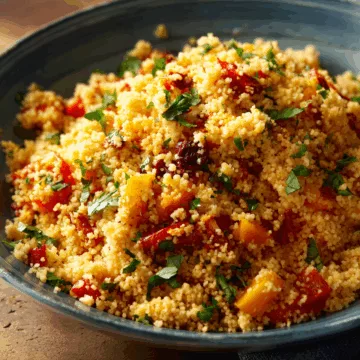
20-minute Couscous Recipe
Equipment
- 1 Medium saucepan
- 1 Measuring cups
- 1 Measuring spoons
- 1 Fork
- 1 Serving bowl
- 1 Cutting board
Ingredients
- 1 cup couscous (dry)
- 1 ¼ cups vegetable broth
- 1 tablespoon olive oil
- 1 small onion, diced
- 1 medium bell pepper, diced (any color)
- 1 medium zucchini, diced
- 1 cup cherry tomatoes, halved
- 1 teaspoon garlic powder
- ½ teaspoon salt
- ¼ teaspoon black pepper
- ¼ cup fresh parsley, chopped
- Juice of 1 lemon
Instructions
- In a medium saucepan, bring the vegetable broth to a boil over medium-high heat.
- Once boiling, remove from heat and stir in the couscous. Cover the pan and let it sit for about 5 minutes, allowing the couscous to absorb the liquid.
- In a separate skillet, heat the olive oil over medium heat. Add the diced onion and bell pepper, and sauté for about 3-4 minutes until they become tender.
- Add the diced zucchini and cherry tomatoes to the skillet and continue cooking for another 3-4 minutes until the zucchini is cooked through. Stir in the garlic powder, salt, and black pepper.
- Fluff the couscous with a fork and add it to the skillet with the sautéed vegetables. Gently mix everything together to combine.
- Remove the skillet from heat and stir in the fresh parsley and lemon juice for a burst of freshness.
- Serve warm or at room temperature in a serving bowl.