People have been eating boiled chestnuts for a long time, and it’s easy to see why. They’re soft, mildly sweet, and kinda creamy, which makes them a comforting snack or side dish in chilly weather. Instead of the crisp bite you get from roasting, boiling gives these nuts a smooth, tender feel that goes great in a bunch of recipes.
All around the world, boiled chestnuts pop up in kitchens both fancy and homey. In Europe you’ll find them in special holiday dishes, while in Asia they turn up in rice meals or sweet treats. Their mild taste lets cooks try them in soups, stuffing, desserts, or even salads, so they’ve become a kitchen staple for lots of folks.
This guide covers everything you need to know about boiled chestnuts. First, we’ll look at the different kinds of chestnuts and why they’re good for you. Then, we’ll talk about why boiling is such a great way to cook them. You’ll get tips on picking and getting your chestnuts ready, a clear step-by-step recipe, plus ideas for how to use them in meals and what health benefits they bring. We’ll even bust some myths and answer common questions. By the end, you’ll feel ready to cook and enjoy boiled chestnuts right at home.
Section 1: What Are Chestnuts?
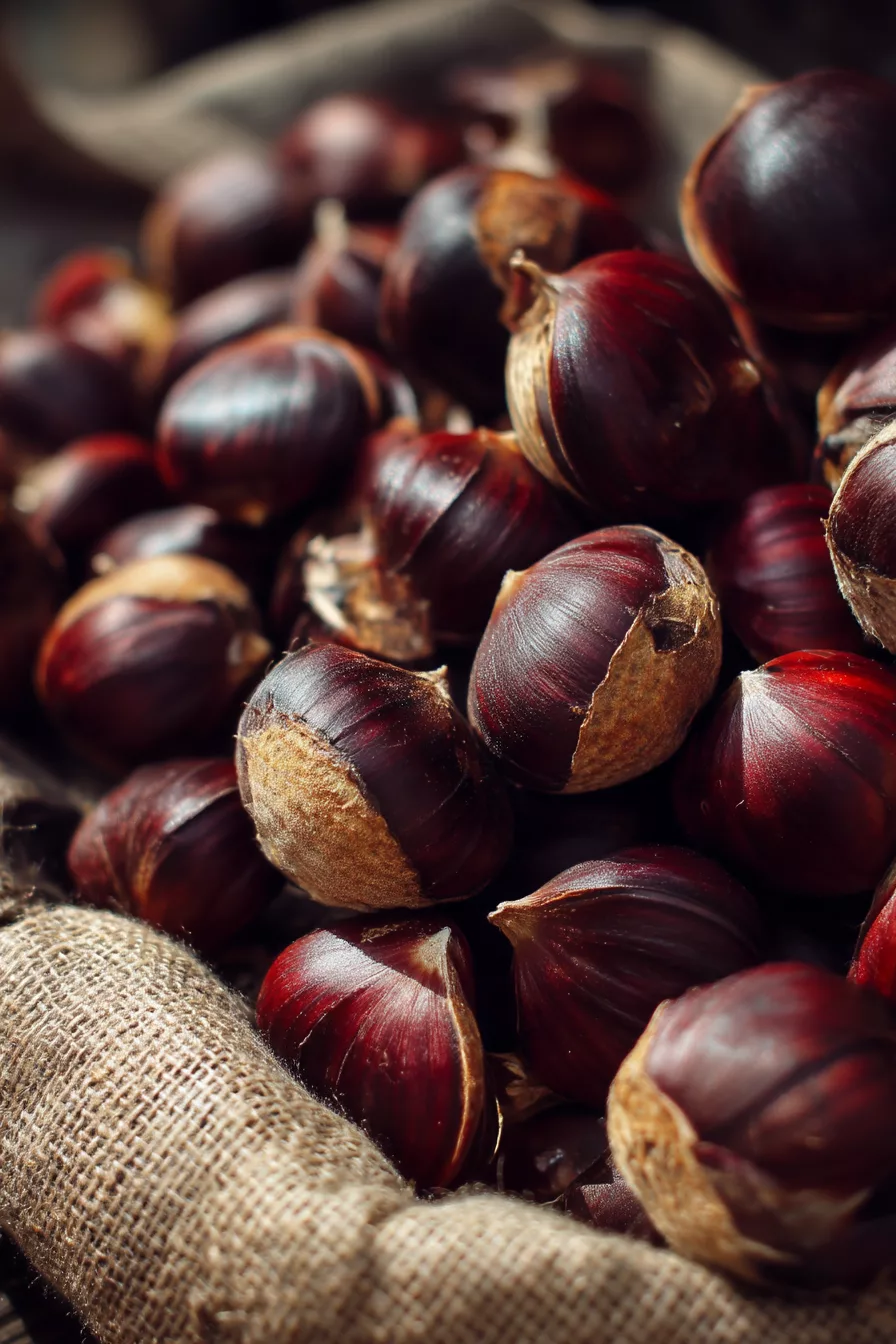
Chestnuts are a kind of tree nut in the beech family, found in many temperate places around the globe. Unlike most nuts that are high in oils, chestnuts are mostly carbs, so they’re a bit different and pretty healthy. They taste sweet and earthy, especially when cooked just right.
Here are some of the common chestnut types:
- European Chestnut (Castanea sativa): This one is popular in Europe, known for its full flavor and used a lot during holiday times.
- American Chestnut (Castanea dentata): It was everywhere in North America before a blight hit it hard in the early 1900s, so they’re rare now but still sweet.
- Chinese Chestnut (Castanea mollissima): These grow faster and resist disease better, and they’re smaller and sweeter than the European ones, making them great for a bunch of recipes.
Besides tasting great, chestnuts are pretty good for you. They’re low in calories and fat, but high in fiber, vitamins like C, and minerals such as potassium and magnesium. This mix helps with digestion, supports your heart, and can boost your immunity.
Section 2: Why Boil Chestnuts?
Boiling chestnuts brings out their natural sweetness and makes their insides super tender. This method uses no extra fats like roasting can, so the taste stays simple and nice. When boiled, chestnuts turn soft and creamy, perfect for spreading, mashing, or eating whole.
Roasted chestnuts have a bit of a char and a crunch, wich is cool, but it’s not right for every dish. Boiled ones stay moist and almost buttery, so you can toss them into soups, stews, or desserts without losing that soft texture. You can mash ’em up for purees, slice ’em for salads, or just snack on ’em warm.
People in Europe add boiled chestnuts to meat stuffing or thick soups, while in Asia they use them in sweet bowls of congee or simple desserts. No matter how you use them, they bring a sense of home and warmth to your plate.
Section 3: How to Choose and Prepare Chestnuts
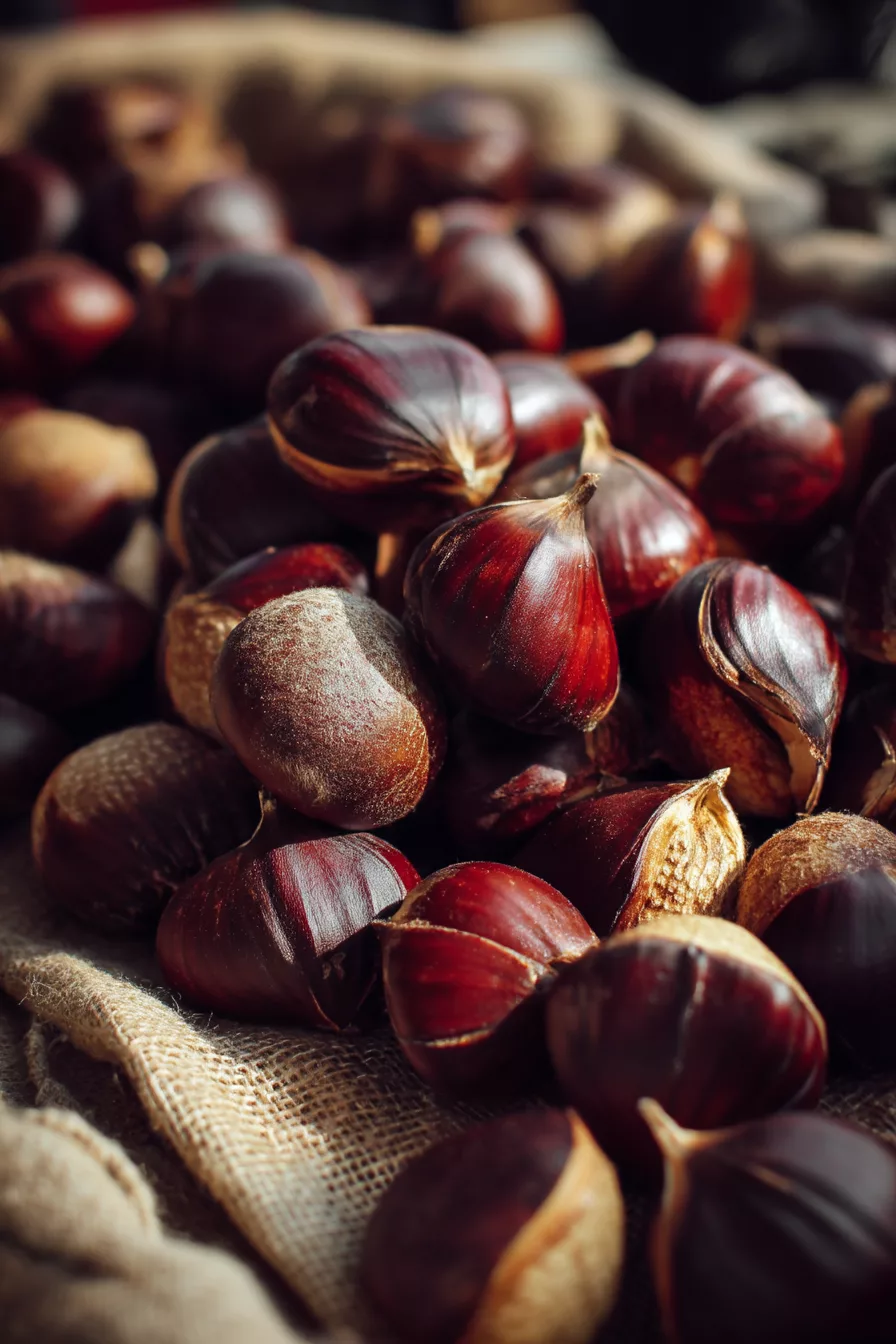
Getting good chestnuts is the first step. Pick ones with shiny, smooth shells and no holes or soft spots. They should feel heavy for their size—if they sound hollow when you shake ’em, they’re probably old.
Next, wash them under cold water and scrub off any dirt. Scoring them (making a small cut or an “X” on the flat side) is super important so they don’t explode in the pot and so you can peel ’em easier later.
After scoring, they’re ready for boiling. That little slit lets steam escape and helps the water get inside the shell, so you end up with tender, easy-to-peel nuts.
Section 4: The Boiling Process
All you need to boil chestnuts is fresh nuts, water, and maybe a pinch of salt. You also need a big pot, a sharp knife, and a slotted spoon or colander for draining.
- Score the chestnuts: Cut an “X” or a slit on the flat side of each nut.
- Heat the water: Fill your pot so the nuts can be fully covered, then bring to a full boil.
- Boil: Gently add the chestnuts and let them boil for about 20–30 minutes. They’re done when the shells start to crack and the inside feels soft.
- Cool and peel: Drain and let them cool just enough to handle. While still warm, peel off the shell and that thin skin underneath. It’s way easier to peel when they’re warm.
Follow those steps, and you’ll have perfect boiled chestnuts ready for your next recipe.
Recipe Section
Simple Boiled Chestnuts Recipe
Here’s a quick recipe to get you started with boiled chestnuts at home.
Ingredients:
- 1 pound fresh chestnuts
- Salt (optional)
- Water (enough to cover chestnuts)
Directions:
- Clean and score the chestnuts like in Section 3.
- Boil a big pot of water.
- Add nuts and cook 20–30 minutes until tender.
- Drain, cool slightly, then peel and serve warm.
Advice:
Boiled chestnuts go well with cheese, a glass of wine, or tossed into soups and salads. Store leftovers in an airtight container in the fridge for up to three days. To reheat, warm in a pan with a little water or zap in the microwave for a few seconds.
Section 5: Culinary Uses of Boiled Chestnuts
Boiled chestnuts add a creamy, nutty note to both sweet and savory dishes. Puree them for cakes, puddings, or ice cream. Chop and mix into cookies, or use as a cake topping.
For savory eats, toss them in soups, stews, or sauces. They’re great in meat stuffing or stirred into risottos and pilafs. Especially in colder months, they bring a cozy feel to family dinners.
Section 6: Health Benefits of Chestnuts
Chestnuts pack a lot of good stuff. They’re high in fiber for better digestion and low in calories, making them a guilt-free snack. They’ve got vitamin C to help your immune system, plus potassium and magnesium for heart health.
They also have antioxidants that fight off damage in your body, which can lower disease risk. All this makes boiled chestnuts a tasty way to get more nutrients without lots of fat.
Section 7: Common Misconceptions
People often think chestnuts are like other nuts, but they’re mostly starchy and have less fat. Also, make sure you’re eating the right kind—horse chestnuts are toxic and not for eating.
Knowing these facts helps clear up myths and shows off just how great edible chestnuts can be.
FAQs
What is the best way to store boiled chestnuts?
Keep them in an airtight container in the fridge. They’ll stay good for about three days.
How long do boiled chestnuts last in the fridge?
About three days when stored right.
Are boiled chestnuts gluten-free?
Yes, they’re naturally gluten-free so they work for folks with celiac or gluten intolerance.
Can you eat chestnut skins?
The outer shell and inner skin are bitter, so peel them all off before eating.
How do boiled chestnuts compare nutritionally to roasted ones?
Boiled chestnuts have fewer calories and less fat since you don’t add oils. Both ways keep most nutrients, but boiling makes them more moist and creamy.
Conclusion
Boiled chestnuts are a simple, tasty, and healthy ingredient for many recipes. Their gentle flavor and texture fit both sweet and savory dishes, plus they bring plenty of nutrients. Give them a try at home and see how they can add warmth and flavor to your meals.
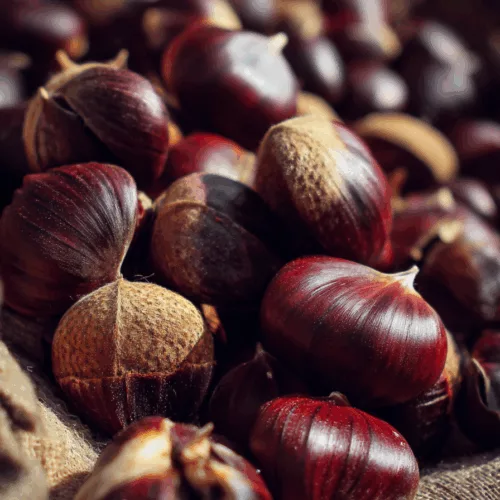
Boiled Chestnuts
Equipment
- 1 Large pot
- 1 Strainer
- 1 Bowl
- 1 Clean kitchen towel
Ingredients
- 1 pound fresh chestnuts Rinse and score before boiling.
- 4 cups water For boiling the chestnuts.
- to taste N/A salt Season after boiling.
Instructions
- Begin by rinsing the fresh chestnuts under cool water to remove any dirt.
- Using a sharp knife, carefully score an 'X' on the flat side of each chestnut.
- In a large pot, bring 4 cups of water to a boil.
- Once the water is boiling, add the scored chestnuts to the pot.
- Reduce the heat to medium and let the chestnuts boil for about 30 minutes or until they become tender.
- After 30 minutes, test a chestnut and continue boiling for another 5-10 minutes if needed.
- Once cooked, strain the chestnuts using a colander and let them cool for a few minutes.
- When cool enough to handle, use a clean kitchen towel to peel the shells off.
- Season with salt to taste and enjoy immediately, or use in other recipes.