
Waking up to the rich scent of espresso hitting warm milk feels like a hug in a mug. I was messing around last weekend trying out a new caramel macchiato recipe when my heat obsessed neighbor poked in. She swore that every degree on the stovetop can shape flavor in ways we can barely imagine. I laughed but kept stirring, thinking about how heat really does make the perfect kiss of sweetness meet coffee.
My kitchen looked like a small lab. Tiny bubbles creeping up in the milk while I drizzled that gooey caramel. My neighbor hovered, whispering about Maillard browning and caramelization, telling me that slow simmer and low and slow cooking can do wonders for flavor depth. She kept nudging me to remember to let the milk rest after foaming so the proteins settle. I nearly forgot that protein rest tip but she kept me on track.
There’s something humbling about admitting you need a reminder from next door to nail each step. But that’s the fun in home cooking. You learn that every turn of the heat dial will change the dance of sugar and dairy in the pan. By the end I had a cup of dreamy caramel macchiato in hand and a new appreciation for how heat science can lift a simple drink to something special.
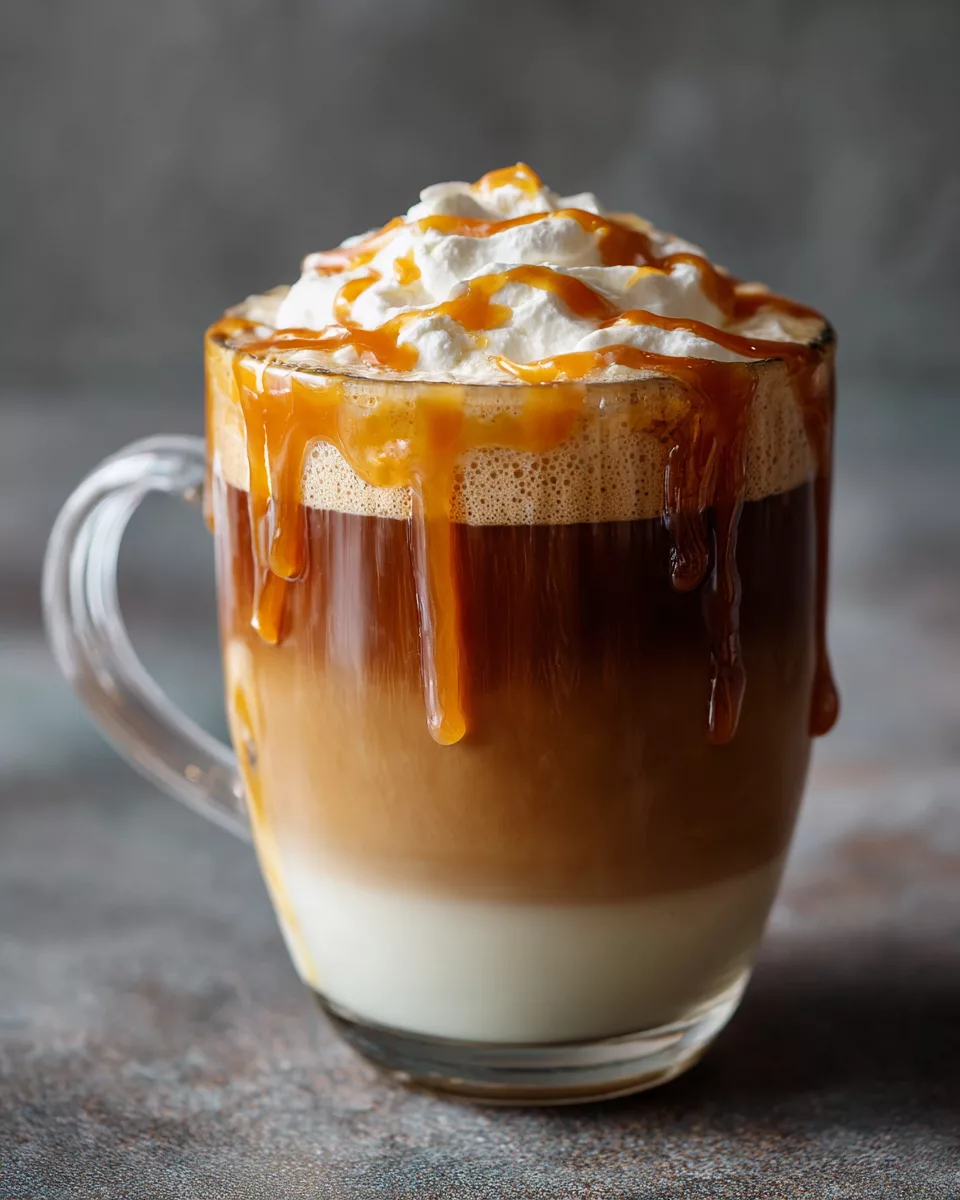
Inside the Warmth of Flavor Crafting
If you want that caramel macchiato recipe to shine you gotta understand what heat does to your ingredients. When sugar meets heat you get caramelization. That turns bland sweetness into deep toffee notes. It’s not fast work, you want to go low and slow so the sugars brown without burning.
And then there is the tiny Maillard browning trick on the espresso beans. Even though it happens in the roastery it continues when you brew and pour hot an inch of espresso on foamed milk. Watching that dark shot swirl creates new flavor layers. My neighbor says it is like watching a little science show in slow motion. All you do is adjust your steam wand pressure and let proteins rest before pouring in for the creamiest results.
Pantry Lineup for Sweet Coffee Bliss
- Espresso beans Freshly ground for better extraction when you want that bold shot
- Whole milk Higher fat means stronger foam and silkier mouthfeel
- Heavy cream A splash makes it richer but keep it light if you like it milky
- Granulated sugar You need it for homemade caramelization that outshines store stuff
- Vanilla extract A little boost of vanilla aroma plays with your caramel notes
- Sea salt Tiny pinch to cut sweetness and bring out depth
- Cold water For dissolving sugar when you start your caramel sauce
- Ice cubes If you prefer an iced version to cool things down
Setting Up Your Coffee Station
First things first, clean your espresso machine group head and steam wand. It is easy to skip but old residue will mess with the taste. Then grind your beans right before brewing. Fresh ground espresso holds more aroma and flavor for that perfect shot.
While that machine warms up, get a small pan for your caramel work. Combine sugar and cold water in the pan and set it on medium heat. Keep it low simmer so you give sugar time to form golden amber hues. No rushing here, watch it swirl without stirring. Turn off the heat once you see that color. Add cream slowly while stirring to get a smooth sauce. Then add a drop of vanilla.
When the Kitchen Smells Like Home
That moment when your caramel sauce hits the kitchen with its sweet butter scent is unbeatable. You’ll feel that warmth wrap around you like a cozy sweater. It is pure satisfaction knowing you pulled it off low and slow.
Then brewing espresso fills the air with dark roast tones. Those notes of cocoa and toasted nuts peek through, blending with the caramel sugar scent. I close my eyes and I can almost taste the swirl of bitter and sweet waiting in my cup.
Halfway There Checkpoint
Time to see how your layers look. Pour a shot of espresso into a clear glass. You want a nice dark layer that sits above the milk below. If it sinks too fast you might need a lighter tamp or fresher beans. If it floats without mixing you’ve nailed your protein rest and foam density.
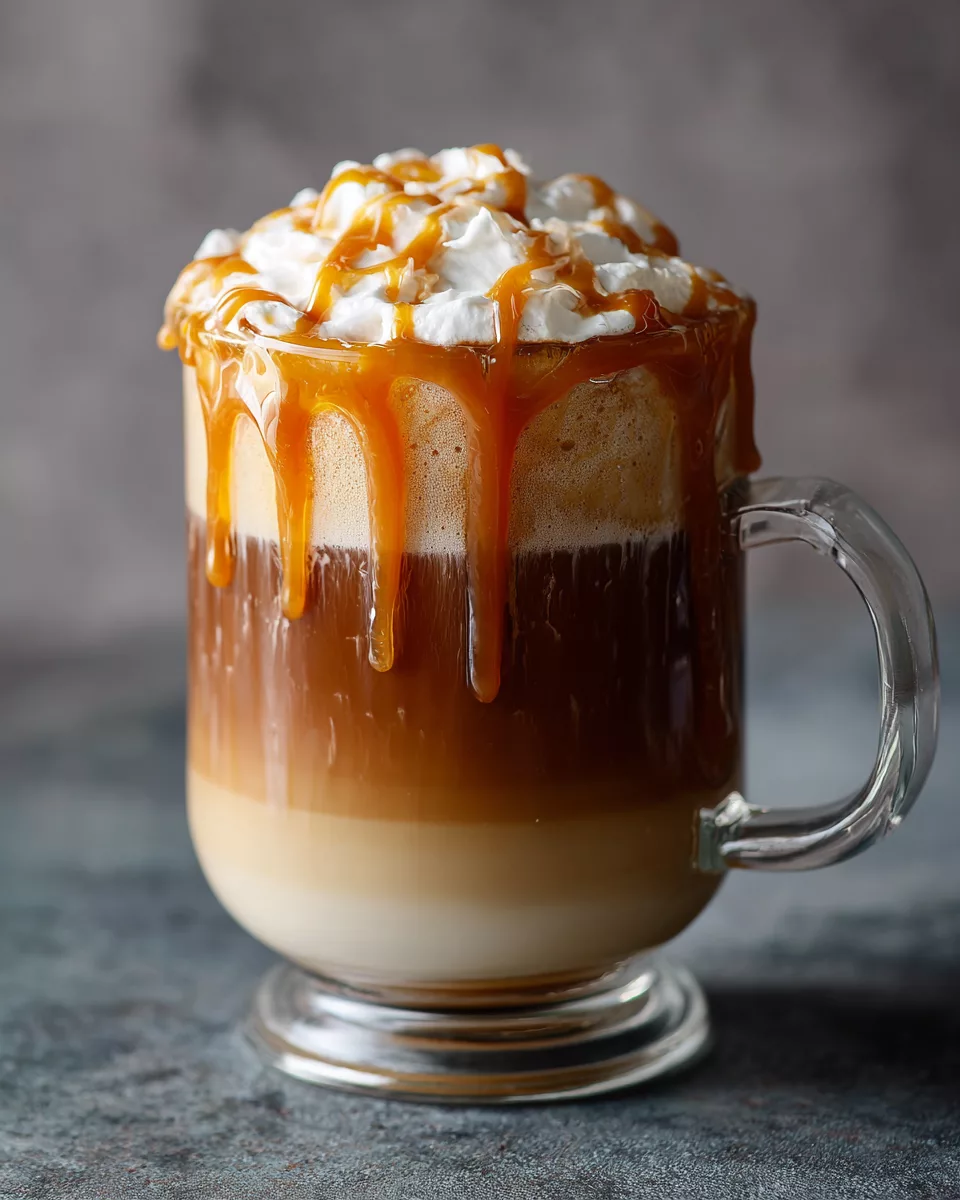
Next, drizzle your homemade caramel sauce around the glass edges. It should cling to the sides in ribbons. If it slides off too quick your caramel is too thin. If it barely moves you might need to remelt it gently to loosen it up. This is where that neighbor voice comes back to mind telling you heat shapes every drop.
Checking the Flavor Thermometer
Lorem ipsum dolor sit amet. Sit amet consecteture adipiscing elit. Ut tristique hendrerit eros. Vestibulum ut dolor libero. Morbi vel eleifend ligula sit amet mollis.
For a quick taste test scoop a small spoon of foamed mixture. You should feel a warm sweetness followed by creamy milk balance and espresso bite. If it is too sweet add a pinch more salt next round. If it is watery sometimes a longer slow simmer on the sugar helps thicken it up. Remember Maillard browning on your beans plays a part so use fresh roast when you can.
Dressing Your Cup with Flair
Grab a clear glass so your layers look artsy. First pour your steamed milk leaving room at top. Then rest your shot of espresso carefully so it floats in the middle. Finally top with a swirl of foam. Drizzle extra caramel sauce in a spiral on top for that wow factor.
Use a small spoon to shape the foam a bit if you like. Add a tiny sprinkle of sea salt or cinnamon for contrast. Presentation matters, it invites your eyes in before your lips get to taste.
Next Day Sweet Fix Tricks
If you have leftover caramel sauce store it in the fridge in a sealed jar. When you want another drink just heat a spoonful with a splash of milk over very low heat. Then stir in espresso or instant coffee for a quick fix.
You can also use that sauce over ice cream or swirl it into yogurt for breakfast. The neighbor and I discovered an epic hack of drizzling it on popcorn in place of butter. It totally changes your movie night vibe. Don’t forget a light protein rest on your milk foam before you pour it again or it will be flat.
Takeaway Points and Common Questions
Putting it all together makes a stellar caramel macchiato recipe. You want to honor heat by going low and slow on the sugar so you reach that perfect caramelization. Then treat your espresso shot with care and let proteins rest after foaming so you keep peak foam texture. Maillard browning in your beans pairs with sweet buttery sauce for a balanced treat.
Q How do I store leftover coffee layers Store espresso in a sealed container and keep froth separate if you can. Reheat gently.
Q Can I use non dairy milk Sure almond or oat milks work well. They have different protein levels so foam might be lighter.
Q What caramel texture is best Aim for a ribbon like honey when it falls off your spoon. That shows the right caramelization low and slow.
Now go get hands on, adjust your stove heat dial like a pro and make that caramel macchiato recipe shine.
Caramel Macchiato Recipe
Equipment
- 1 Espresso machine or coffee maker
- 1 Milk frother or small saucepan
- 1 Measuring cups and spoons
- 2 Large coffee mugs
- 1 Spoon for mixing
Ingredients
- 2 shots espresso or ½ cup strong brewed coffee
- 1 cup milk any kind
- 2 tablespoons vanilla syrup
- 2 tablespoons caramel sauce plus extra for drizzling
- 2 teaspoons sugar optional for additional sweetness
- ice optional, for iced caramel macchiato
Instructions
- Brew two shots of espresso using an espresso machine or make ½ cup of strong brewed coffee.
- In a small saucepan or using a milk frother, heat the milk over medium heat until steaming, then froth the milk until it is creamy and slightly expanded.
- In each coffee mug, add 1 tablespoon of vanilla syrup to the bottom.
- Pour ½ cup of the frothed milk into each mug over the vanilla syrup.
- Slowly pour 1 shot of espresso (or ¼ cup of brewed coffee) over the frothed milk in each mug.
- Drizzle 1 tablespoon of caramel sauce on top of each drink. If desired, sprinkle with sugar for extra sweetness.
- Serve immediately, and enjoy your homemade caramel macchiato!