Cooking Chicken and Dumplings has become something more than dinner at my house. It is a little journey I take every time I stand by the stove. Yeah I know its odd but I am obsessed with how heat reshapes every ingredient. That flick of the flame can cause caramelization that brings new depth.
I keep nudging myself to remember that little sizzle as soon as the chicken hits the pan. It carries the promise of Maillard browning which is that golden crust that brings umami. Then I lean in and take a breath. The slow simmer whispers a gentle heat pattern that melts the flavors together.
I recall nights when I thought maybe the broth lacked life. I bumped up the heat in spots then backed it down to low and slow. The dumplings would fluff up with a tender crumb that soaks in that savory juice. This is more than a recipe for me its a practice in culinary science.

So come on lets get our hands dirty and our pots ready. I will remind you every step to check the heat and reflect on what you sense. Because Chicken and Dumplings is not just food its an experiment in flavor that warms your soul.
Dont worry if its messy or if you got a spot on your shirt. Thats part of the fun. Youll laugh about spills later.
Heat Tricks That Make It Better
Heat is my secret weapon in cooking. It is what turns a plain pile of chicken and dumplings into a soul soothing meal. You might think its just tossing stuff in a pot. But controlling heat levels shapes texture and taste at every stage.
At first we sear chicken to get Maillard browning. You want that crust that crackles. It cant develop at too low heat. Then we drop to a slow simmer so the meat relaxes. That protein rest allows juices to redistribute. This step is key for moist bites.
When we stir in flour and liquid and bring it to a gentle bubble we do it low and slow for dumplings. Too much heat makes them tough or fall apart. We aim for tiny boil pockets that puff the dough just right.
Remember caramelization hits as the vegetables roast in the soup broth and add a hint of sweetness. Then we hold it warm without scorching. This balance of heat turns a simple stew into a comforting daydream at the dinner table. Dont skip those small adjustments you might think so small but they change the outcome big time.
Pantry Roll Call The Essentials
Before we start diving in we need to gather our pantry crew. You want quality stuff on hand so the recipe flows. Go get your bowls out and line the counter with what matters.

- Chicken pieces Skin on or off its up to you but I dig bone in for extra flavor from the marrow.
- All purpose flour You dredge the chicken and thicken the broth plus it helps the dumplings hold shape.
- Chicken stock Use store bought or homemade but check its salt level so the soup wont be flat.
- Milk or cream A splash adds richness to the dumpling dough and deepens the broth mouthfeel.
- Onion carrot and celery This classic trinity adds layers of flavor through caramelization.
- Herbs Fresh thyme and parsley are my go tos for bright notes while a bay leaf adds subtle depth.
- Salt and black pepper Taste as you go so the heat from the spices can shape the final bite.
- Butter It melts into the broth and helps with flavor release and that slight silk like texture.
With these in view you are ready to hit the ground running. Each item plays a role in the culinary science at play when you tame heat and coax flavor. Dont skip checking that you got everything before you start.
Getting Your Gear And Prep Ready
Alright lets set up our station like pros. You want all your stuff lined up so you never hunt for a tool when the pot is singing. Its about timing and heat control remember.
We go in steps so I wrote some for you.
- Step 1, Prep the chicken Pat each piece dry and toss with a little flour. This helps the outside crisp and gives the dumplings a silky base.
- Step 2, Chop the veg Cut your onion celery and carrots in uniform small bits so they cook evenly and add to the caramelization.
- Step 3, Mix the dough In a bowl whisk flour milk a pinch of salt and pepper her by her until it just comes together. Dont over mix or heat will toughen it.
- Step 4, Warm up your pot I use a wide heavy duty pot and melt the butter until it foams then drop the chicken to sear until it turns golden.
By the time you hit step four the kitchen will be humming with heat and you will recall why we fuss over each detail. Its where flavor really starts to build.
When The Kitchen Smells Like Comfort
Its that moment when the lid lifts and a wave of steam hits you. The scent is a mix of roasting chicken and the sweetness from the carrots and onions. I lean in and I feel a rush its like a warm hug.
You gotta slow simmer now so the smell lingers without burning. Thats when you taste the air and know you are nailing it. The dumplings are about to join the party so you remember to keep that heat gentle. Dont rush this or you lose that inviting smell.
Halfway Check In On Broth And Dough
We are about ten minutes in and its time to pause. I take a wooden spoon and swirl around the pot to dust off any bits that stuck. This scrapes up flavor from the bottom and avoids scorching.
Then I taste the broth. If its a bit weak I sprinkle a pinch of salt and maybe a turn of pepper. If its too strong I add a splash of water or stock. Adjusting here is part of the culinary science that trips us up.
Now check your dumpling dough. It should feel tender and slightly sticky. If its dry add a little splash of milk if its too wet dust in flour. Keep the heat low and slow when you drop in the dumplings so they sit together like little pillows.
I often nudge myself to remember how this step shaped my best results. Its a checkpoint that reminds me to reflect on how heat has been tamed or needs to be tweaked.
Testing For Fluffy All The Way Through
After another ten to fifteen minutes the dumplings should be puffed and bouncy. I poke one gently with a fork to see if its set in the middle. If its still gummy I let it go a bit more on low heat.
When I fish one out I feel the texture with my finger. It feels firm but gives just a little. Thats when I know the protein rest in the chicken was a win and the dough soaked up the right amount of broth.
Dont forget to taste the chicken too. The meat is done when it reaches about one hundred and sixty five degrees inside if you got a probe thermometer. That number might sound specific but its how I feel sure every time.
Serving Up Your Cozy Masterpiece
I scoop a big ladle of Chicken and Dumplings into a wide bowl. You want to see some broth some veg pieces and two or three dumplings floating on top.
Then I tear a few sprigs of parsley over it. That green pop is more than pretty its fresh flavor that sneaks in when you take a bite. A swirl of melted butter doesnt hurt either. It adds shine because fat carries flavor across your tongue.
Remember you can serve with crusty bread or even a sprinkle of grated cheese. Its your canvas so have fun.
Saving The Goodness For Tomorrow
If you got leftovers dont just dump them cold in the fridge. Let the pot cool a little to room temperature before you cover. This avoids soggy dumplings or a beast of a fridge tonight.
I like to portion into airtight containers with a little extra broth on top so the dumplings wont stick together. They keep for three days easy if you follow that simple rule.
When you reheat you want to lean back on low and slow heat because blasting it on high will make the dough rubbery. I set a small pot on the stove with a little water or stock and a lid then let it bubble gently till its just hot in the center.
You can even turn the heat off and let the residual warmth finish the job while you set the table or call everyone in. This trick hits the spot if you wanna savor the next day just as good as day one.
Takeaways And A Few Questions Answered
Here are the big ideas to remember when you make Chicken and Dumplings. One always think about heat control from sear to slow simmer. Two let the protein rest after browning so juices redistribute. Three mix dumplings gently and cook low and slow so they stay tender.
Four patch up the broth with small tweaks mid cook. And five always let your senses guide you by smell and taste. Thats the beauty of culinary science it invites you to be curious and adjust on the fly.
Q What kind of chicken works best Its up to you but bone in chicken thighs bring depth from marrow and dark meat stays juicy under heat. You can use breasts if you prefer lean meat just watch the cooking time.
Q Why does my dumpling get tough If you mix the dough too much or boil on high heat it develops gluten and becomes chewy. Keep it gentle low and slow for fluffy pillows.
Q Can I make stock ahead Yeah you can simmer down chicken bones to make homemade chicken stock before you start. Just strain it well then cool it. This is where Maillard browning and caramelization in the bones give you that deep soup base.
Q How do I reheat without losing fluff Reheat in a pot on low heat with a lid and a splash of broth. Let it slowly warm through. This slow simmer approach revives texture without turning dumplings into rubber.
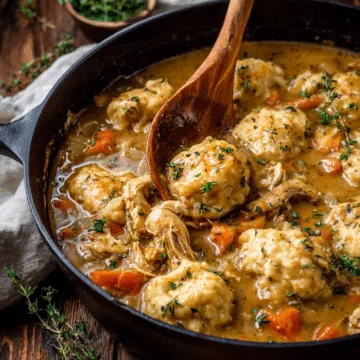
Chicken And Dumplings
Equipment
- 1 large pot
- 1 cutting board
- 1 mixing bowl
- 1 whisk
- 1 wooden spoon
Ingredients
- 1 tablespoon olive oil
- 1 medium onion, diced
- 2 carrots, sliced
- 2 celery stalks, sliced
- 3 cloves garlic, minced
- 4 cups chicken broth
- 1 pound boneless, skinless chicken breasts Can substitute with thighs for tenderness.
- 1 teaspoon dried thyme
- 1 teaspoon dried rosemary
- to taste salt
- to taste pepper
- 2 cups frozen peas
- 2 cups all-purpose flour
- 1 tablespoon baking powder
- ½ teaspoon salt
- 1 cup milk
- ¼ cup unsalted butter, melted
Instructions
- Heat olive oil in a large pot over medium heat. Add the diced onion, carrots, and celery. Sauté until vegetables soften, about 5 minutes. Stir in the garlic and cook for an additional 1 minute.
- Pour in the chicken broth, and add the chicken breasts, thyme, rosemary, salt, and pepper. Bring to a boil, then reduce heat to low. Cover and simmer until the chicken is cooked through, about 20 minutes.
- Remove the chicken from the pot and shred it using two forks. Return the shredded chicken to the pot and add the frozen peas. Stir to combine and maintain a low simmer.
- In a mixing bowl, whisk together the flour, baking powder, and salt. Gradually add in the milk and melted butter, mixing until just combined.
- Drop spoonfuls of the dumpling batter over the chicken mixture in the pot. Cover and cook for an additional 15 minutes without lifting the lid, until the dumplings are cooked through and puffed up.
- Taste and adjust seasoning if needed. Serve hot, and enjoy!
- For a richer flavor, consider adding a splash of cream to the broth before serving.