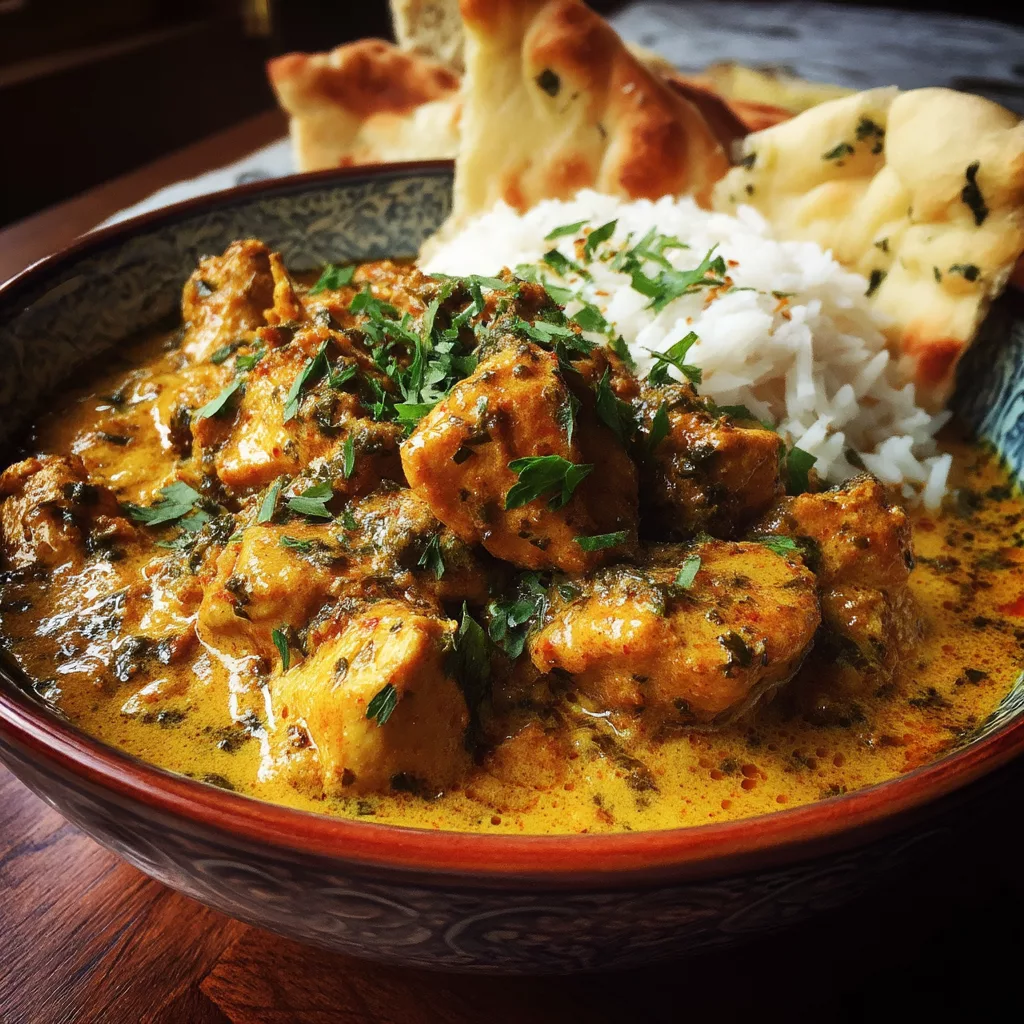
So here’s the deal, Chicken Korma is one of those super creamy curries that almost everyone gets excited about. It’s from India and has tender chicken pieces marinated in yogurt and a bunch of spices. The result is a sauce so rich and flavourful you’ll want to lick the plate, well maybe not but you get the point it’s real good. Whether it’s a family dinner or a special celebration this dish always finds a spot on the table.
In India Chicken Korma carries a lot of history, you could say it’s a symbol of the grand Mughal feasts that mixed Middle Eastern and Central Asian cooking styles. Over time people added their own twist and now you can find loads of different versions all over the country. From the nutty, creamy Korma in Punjab to the saffron-kissed one in Hyderabad each recipe tells a story of flavours passing down through generations.
Coming up we’ll cover what exactly makes Chicken Korma so special, list the main ingredients, talk about why it can even be kinda healthy, show you an easy step-by-step recipe, share some tasty sides to go with it and answer a few common questions. If you’re new to cooking curries or you’ve been stirring pots for years this guide should help you nail Chicken Korma every time.
What is Chicken Korma?
Chicken Korma is basically chicken slow cooked in a creamy, spiced sauce that comes out super tender and juicy. You start by marinating the chicken in yogurt plus spices like cardamom, cumin, coriander and a few more. That yogurt marinade not only makes the meat soft but also infuses it with flavour from the inside out. Then you gently cook it so all those spices meld together into one harmonious curry that’s neither too hot nor too mild.
The dish traces back to the Mughal Empire days when emperors loved big fat banquets with exotic foods. They brought ideas from Central Asia and Persia over to India, then Indian cooks adapted the recipes to local tastes. Over the years Chicken Korma evolved in different regions, so you’ll find variations that use nuts like cashews or almonds, some even have dried fruits or a touch of coconut milk. It’s this flexibility that makes Chicken Korma a favourite from north to south.
In different parts of India it means different things. In Punjab they’ll throw in heavy cream and ground nuts for extra richness. In Hyderabad you might notice saffron threads or fried onions adding a special aroma. No matter where you try it you’ll taste the same creamy magic and subtle spice blend that defines Chicken Korma.
Ingredients in Chicken Korma
Here’s the basic shopping list for a decent Chicken Korma:
- Chicken: You can use boneless or bone-in pieces, bone-in often gives more flavour.
- Yogurt: Plain yogurt is key for that creamy texture and to tenderize the meat.
- Onions: Thinly sliced and browned until golden, they add sweetness and depth.
- Spices: Cardamom, cloves, cumin, coriander powder, garam masala – these make the dish warm and fragrant.
- Cashew nuts or almonds: Blended into a paste they give silkiness to the sauce.
Optional extras you can add if you like:
- Coconut milk: For a subtle sweet twist.
- Cream: Makes it even more luscious.
- Dried fruits: Raisins or apricots for little pops of sweetness.
Tip: Fresh whole spices will level up the flavour way more than old pre-ground stuff. If you can toast the whole spices in a dry pan before grinding or cooking they’ll release essential oils and smell amazing.

Health Benefits of Chicken Korma
Even though Chicken Korma feels like an indulgence it’s actually got some good stuff in it. Chicken is packed with protein which your body needs to build muscles and stay healthy. The spices like turmeric and cumin have anti-inflammatory and digestion-aiding properties, and yogurt brings probiotics for gut health plus calcium for strong bones.
If you serve it with brown rice or whole-grain naan you add fibre too, making it a more balanced meal. Just watch the portion size if you’re counting calories, the nuts and cream can bump up the fat content pretty quick, but in moderation Chicken Korma can definitely fit into a healthy diet.
How to Make Chicken Korma
Ingredients List
- 500 g chicken (boneless or bone-in)
- 1 cup plain yogurt
- 2 large onions, thinly sliced
- 3 tablespoon cooking oil or ghee
- 1 tablespoon ginger-garlic paste
- 1 teaspoon cumin seeds
- 4–5 green cardamom pods
- 4–5 cloves
- 1 teaspoon coriander powder
- 1 teaspoon garam masala
- Salt to taste
- ½ cup cashew nuts (soaked & blended into a paste)
- ½ cup water (add more if you want a thinner gravy)
- Fresh coriander leaves for garnish
- Optional: ½ cup cream for extra richness
Preparation Steps
- Marinate: In a bowl mix yogurt, ginger-garlic paste, cumin seeds, coriander powder and salt. Add chicken and coat well. Let it rest for at least 30 mins or overnight in the fridge.
- Sauté Onions: Heat oil or ghee in a pan on medium flame. Add sliced onions and cook till golden brown, it might take 8–10 mins but this step is important.
- Cook Chicken: Add marinated chicken to the pan and sear for 5–7 mins till it’s lightly browned. Stir in cashew paste and mix well.
- Simmer: Pour in water, cover and cook on low heat for 20–25 mins till chicken is tender. Stir now and then to prevent sticking.
- Finish: Sprinkle garam masala and stir gently. If using cream add it now and simmer 5 more minutes. Garnish with coriander leaves and serve.
Cooking Tips
For extra flavour toast the whole spices in hot oil before you add onions. You can also try a slow cooker to make things simpler, just adjust times as needed.
Pairing Suggestions
Chicken Korma pairs great with:
- Naan: Soft, pillowy bread perfect to scoop up the creamy gravy.
- Rice: Plain basmati or lightly spiced pilaf.
- Parathas: Flaky and buttery for a richer meal.
To drink, try a cool lassi or some masala chai to balance the creaminess.
Frequently Asked Questions (FAQs)
What’s the origin of Chicken Korma? It comes from Mughal cuisine influenced by Middle Eastern & Central Asian dishes, then adapted across India.
Is Chicken Korma very spicy? Usually it’s mild to medium, focusing on warm spices not heat. You can always add chillies if you like it hotter.
Can I make it vegetarian? Sure, swap chicken for paneer, tofu or mixed veggies to make a veggie Korma.
How to store leftovers? Keep in an airtight container in the fridge up to 3 days. Reheat gently on the stove or in the microwave.
Conclusion
Chicken Korma is more than just a curry, it’s a blend of history and flavour that’s creamy, comforting and totally satisfying. Give it a try at home, experiment with your favourite spices and share it with friends or family. You might just find your new go-to dish.
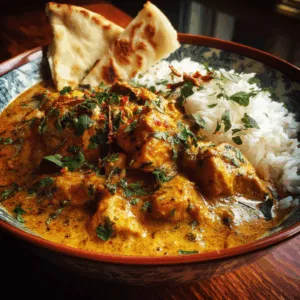
Chicken Korma
Equipment
- 1 large skillet or wok
- 1 mixing bowl
- 1 measuring cups and spoons
- 1 cutting board
- 1 wooden spoon or spatula
Ingredients
- 1 pound boneless chicken thighs Cut into bite-sized pieces.
- 1 medium onion Finely chopped.
- 2 cloves garlic Minced.
- 1 tablespoon ginger Minced.
- ½ cup plain yogurt
- ¼ cup ground almonds or cashews
- ¼ cup coconut milk
- 2 tablespoons vegetable oil
- 1 tablespoon ghee Clarified butter.
- 2 tablespoons korma spice mix
- 1 teaspoon turmeric powder
- ½ teaspoon red chili powder Adjust to taste.
- to taste salt
- fresh cilantro leaves For garnish.
- lemon wedges For serving.
Instructions
- In a mixing bowl, marinate the chicken pieces with yogurt, korma spice mix, turmeric powder, red chili powder, and salt. Mix well and let it marinate for at least 30 minutes.
- In a large skillet or wok, heat the vegetable oil and ghee over medium heat. Add the chopped onions and sauté until golden brown, about 5-7 minutes.
- Add minced garlic and ginger to the skillet, cooking for an additional 2 minutes until fragrant.
- Stir in the marinated chicken and cook for about 10 minutes, stirring occasionally until the chicken is browned.
- Add the ground nuts and coconut milk to the chicken, mixing well. Reduce the heat to low and cover the skillet. Let it simmer for 15 minutes, or until the chicken is fully cooked and tender.
- Adjust seasoning with more salt if needed. If the sauce is too thick, you can add a splash of water to reach your desired consistency.
- Remove from heat and garnish with fresh cilantro leaves. Serve hot with lemon wedges alongside naan or rice.