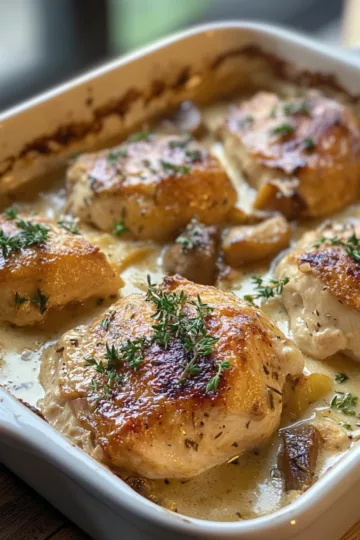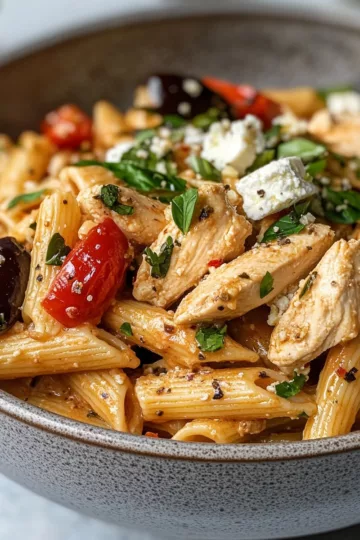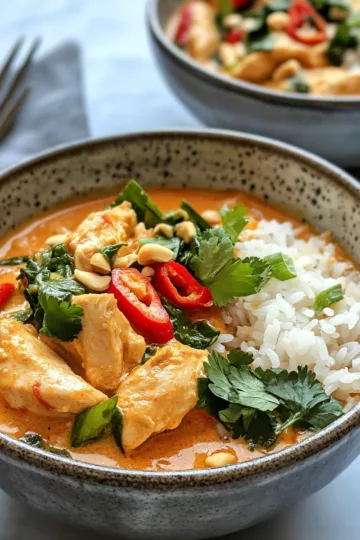
When I fire up the wok for my chicken stir fry I’m never just tossing meat and veg around. I’m chasing crunch flavor and that deep brown glow that happens when chicken gets mad hot. The trick is knowing when to let the heat do its work and when to ease back. I like to keep my eye on the pan like a hawk and remember that Maillard browning is that sweet spot where flavor leaps out. Sometimes I slip up and overcrowd the pan and end up steam cooking instead. Then I remind myself slow simmer belongs to soups not stir fry.
The goal is always crisp edges and juicy inside. So I cut the chicken in bite size pieces and give them a quick protein rest with a little salt and pepper. Or you can use a ready-made chicken marinade for extra flavor. I crack open my fridge door and feel like a heat obsessed neighbor checking for combustibles. Then I let the fire do its thing low and slow for a few seconds beyond what feels right. That’s when I know the pan is ready to flip.
Why Heat Matters More Than You Think
Heat shapes flavor like clay shapes pottery. If you undercook you get a bland pile of tissues that are rubbery and sad. Get it too hot too fast and you burn the edges without cooking through. To nail this chicken stir fry you gotta learn how temperature and timing talk to each other.
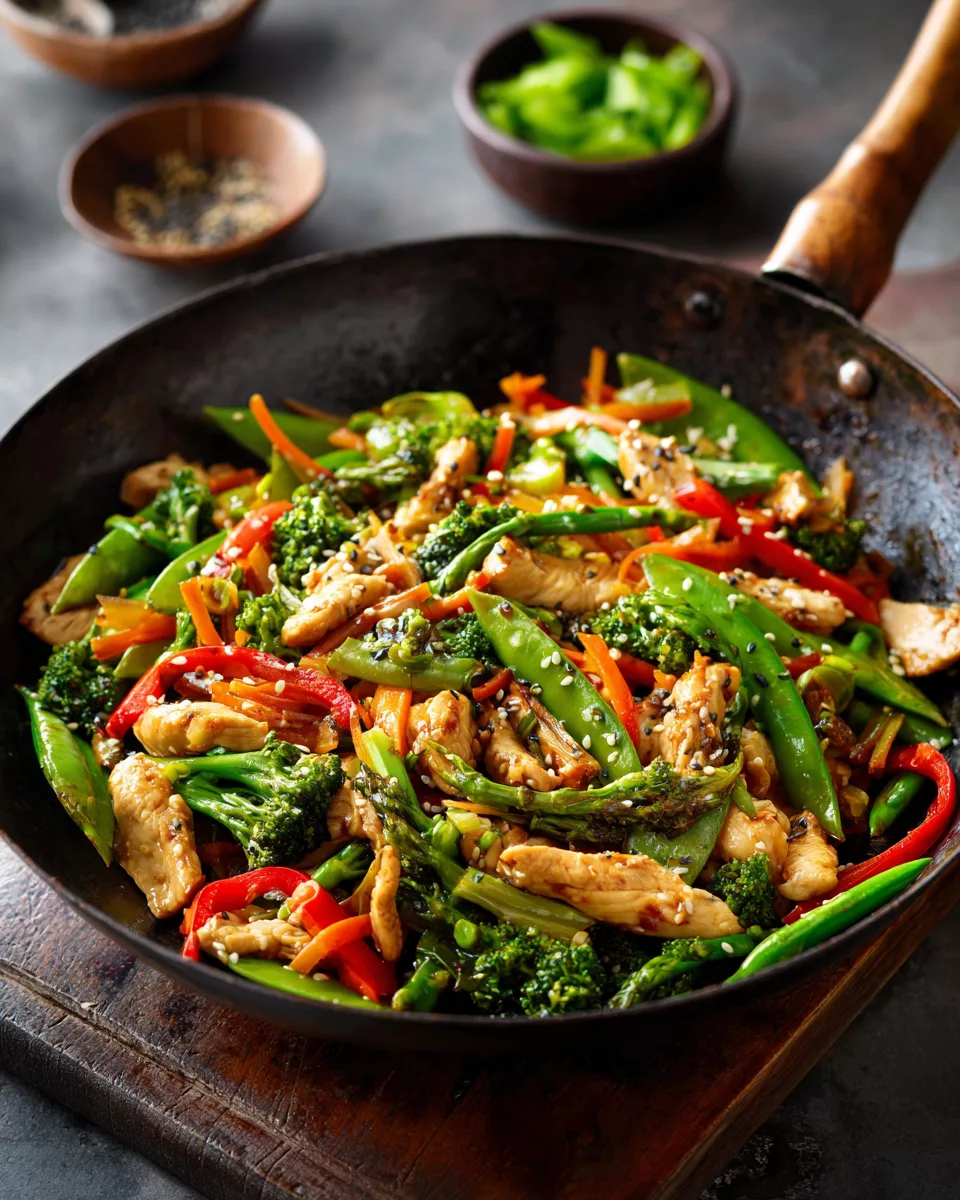
When we talk about Maillard browning we mean that series of chemical reactions that turn protein and sugar into a savory crust. That cratered brown surface is packed full of flavor. You gotta give the chicken a few minutes contact time to let that happen. Rushing it just leaves you with pale bits that taste like nothing.
Then there is caramelization from the veggies. Those onions bell peppers and carrots taste sweeter once you coax out their natural sugars. That takes a little patience and letting them sit on the hot steel before you stir again. Practice makes it feel natural. Soon you’ll sense the split second where sweet wake up and you move on.
Kitchen Line Up for Quick Action
- Chicken Breasts or Thighs trimmed and cut in bite size pieces for fast even cooking
- Bell Peppers sliced thin for quick crisp and bright color
- Onion sliced in half moons for caramelization impact
- Broccoli Florets trimmed small so they steam and crisp at same pace
- Garlic Cloves finely chopped to release aroma fast
- Ginger grated to add that warm bite and fresh heat
- Soy Sauce for salty depth
- Rice Wine Vinegar to brighten flavors
- Sesame Oil to finish with nutty essence
- Vegetable Oil for high smoke point so you can push temp up
Get these in easy reach so your cooking flow never stalls mid flip. You want everything lined up so your pan stays screaming hot.
Setting Up Your Station Like a Pro
First grab a heavy pan or wok that holds heat well. I like cast iron because it can take a beating and it retains heat low and slow when I need it. Give it a quick spray or a spoonful of oil to coat the surface thinly.
Lay out your chicken on one board and your veggies on another. Keep your sauce mix in a small bowl or jar with a tight lid. That way you can shake it up mid cook and pour in one swift motion. A metal spatula and a pair of long tongs are clutch here. They help you flip and stir without losing any precious heat.
Perfume Your Kitchen with Sizzle
When that oil hits the hot pan you’ll hear a sharp crackle. That’s your cue to drop in the chicken. You want it dancing on the surface rather than swimming. That sizzle is what triggers Maillard browning and sets the scene for deep savory notes.
Soon garlic and ginger join the party. Their aroma should hit you in the face right away. It wakes up your senses and reminds you that chicken stir fry is no slow simmer stew. It’s a moment of high heat symphony.
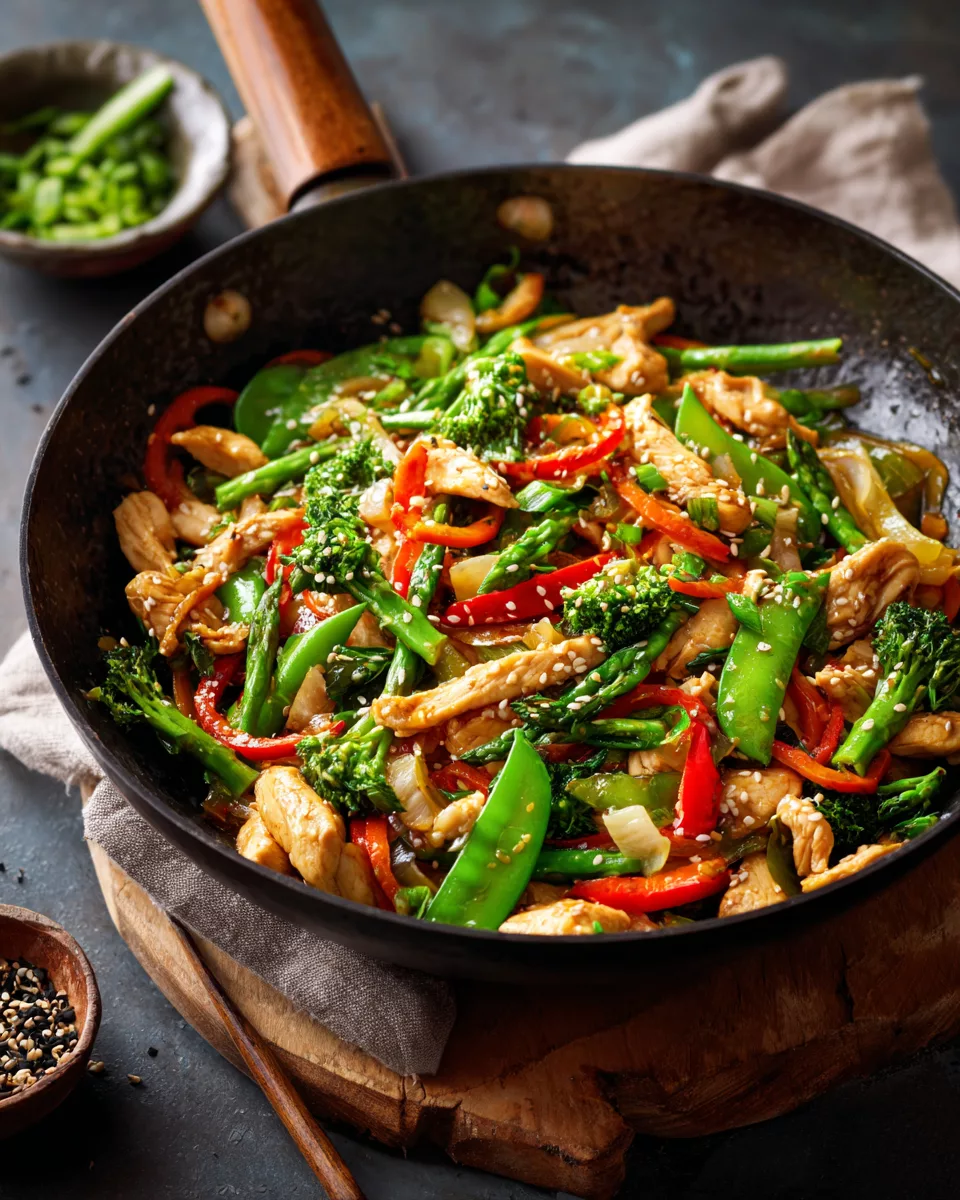
Checking In When The Action Heats Up
After the chicken flashes golden and firm edges appear you might think it’s done. But resist the urge to toss in everything at once. Pull the pieces out to one side or transfer briefly to a plate. That gives you room to work veggies in that same hot pan space.
Keep the bell peppers and broccoli moving just enough so they pick up color but don’t burn. Give them thirty to forty five seconds undisturbed. You want slight char marks not deep black crust. Watch how the onion starts to go clear around the edges. That is your signal that caramelization is building.
When you pour the sauce in you’ll hear a hiss. That steam lifts flavor into the air. Stir quickly until the sauce thickens enough to coat every piece. If it looks watery keep stirring and let it cook down. You’ll know it’s ready when the sauce clings like a glossy coat.
Using Your Thermometer and Senses
Grab your instant read and check a thickest chicken piece. You want around one six five Fahrenheit for safe juicy meat. If it’s close but not quite pull pieces out and let them rest briefly. They’ll keep cooking from residual heat. This protein rest time seals in juices so you get tender bites.
Besides the numbers pay attention to feel. The chicken should spring back lightly when you poke it. If it’s mushy then it’s underdone. If it’s rock solid you over did it and lost moisture. Learning that balance takes some trial and error. But each cook makes you wiser and more confident.
Turning Simple Ingredients into Art
Grab a shallow bowl or wide platter. Arrange your grains or stay classic with steamed white rice at the center. Then place sections of chicken stir fry around. Keep the colors separate so the red pepper the green broccoli and the golden onion play off each other.
Drizzle any leftover sauce over the top. Sprinkle toasted sesame seeds or slivered scallions if you have them. Those final accents add brightness and a bit of crunch. It looks way more polished even though it took minutes.
Repurposing Tonight’s Fame for Tomorrow
Leftover chicken stir fry can become a noodle bowl lunch on day two. Just reheat gently in a pan or microwave. Toss with freshly cooked ramen or rice noodles. Add a splash of water so nothing dries out. Then finish with a squeeze of lime and a handful of cilantro.
You can also wrap it in a tortilla for a spicy handheld. Add a smear of cream cheese or avocado spread. Maybe toss in some shredded cheese and broil for a minute so the edges crisp. That quick reinvention makes your meal feel new again.
Any leftover veggies you can turn into a quick fried rice next time. Chop them smaller and stir in some scrambled egg. That caramelization you practiced carries over and amps up the flavor.
Key Takeaways and Answering Your Cooking Curiosities
Mastering chicken stir fry is about more than tossing bits in a pan. It’s building an intimate bond with heat. You learn when to push it high and when to respect a slow simmer moment for the sauce. You watch for Maillard browning on your chicken and caramelization on your peppers so every bite buzzes with flavor.
Remember to give the chicken a short protein rest so it holds juice. Line up your ingredients so you never flush heat from the pan. Use a quick read thermometer to hit one six five Fahrenheit without guess work. And don’t forget low and slow can be just a few extra seconds to deepen flavor at the end.
What cut works best for chicken stir fry Dark meat like thigh gives more juice and flavor under high heat but breast works fine if you cut small and don’t overcook.
Can I freeze leftovers? Yes cool fully before bagging and freeze up to one month. Thaw overnight in fridge then reheat gently.
How do I make it spicy? Add chopped fresh chilies or a dash of chili garlic sauce when you add garlic and ginger. That way the heat infuses the oil.
Why did my veggies turn limp? Most likely pan was not hot enough or you steamed them too long. Next time give them room and only stir after they pick up color.
Keep experimenting with flavors and sauces once you nail this base. Chicken stir fry is your launchpad for infinite flavor combos. Stay curious and let heat shape your cooking journey.
Chicken Stir Fry
Equipment
- 1 large skillet or wok
- 1 cutting board
- 1 measuring cups
- 1 measuring spoons
- 1 spatula or wooden spoon
- 1 bowl for marinating chicken
Ingredients
- 1 pound boneless chicken breast, sliced into thin strips
- 2 tablespoons soy sauce
- 1 tablespoon cornstarch
- 2 tablespoons vegetable oil
- 1 piece bell pepper, sliced (any color)
- 1 cup broccoli florets
- 1 medium carrot, thinly sliced
- 2 cloves garlic, minced
- 1 teaspoon fresh ginger, minced
- 2 tablespoons oyster sauce (optional)
- to taste salt
- to taste pepper
- as needed cooked rice or noodles for serving
Instructions
- Begin by marinating the chicken. In a bowl, combine the sliced chicken, soy sauce, and cornstarch. Mix well and let it sit for about 10 minutes while you prepare the vegetables.
- Heat a large skillet or wok over medium-high heat. Add 1 tablespoon of vegetable oil and heat until it starts to shimmer.
- Add the marinated chicken to the skillet in a single layer. Sauté for about 5-6 minutes or until the chicken is fully cooked and no longer pink. Remove the chicken from the skillet and set aside.
- In the same skillet, add the remaining tablespoon of vegetable oil. Add the minced garlic and ginger, stirring for about 30 seconds until fragrant.
- Add the sliced bell pepper, broccoli florets, and sliced carrots to the skillet. Stir-fry the vegetables for about 3-4 minutes or until they are tender-crisp.
- Return the cooked chicken to the skillet. If desired, add the oyster sauce, and season with salt and pepper to taste. Toss everything together and stir-fry for an additional minute to heat through.
- Serve the chicken stir fry hot over cooked rice or noodles.