I have this neighbor who is totally obsessed with heat, how it shapes flavor, how it makes things interesting. When I started warming up the pot for my chickpea tomato soup I heard him at the fence, asking me about the glow under the lid. He keeps nudging me, reminding me that heat is where it’s at, so every time I reach for the flame I think of his lectures. At first I was just stirring a simple soup, but soon I found myself recalling all those talks we had about caramelization and how low and slow can change the whole game.
Every time I chop an onion I remember him telling me to wait till the edges turn golden. It felt like a memory workout as I tried to slow simmer those tomatoes just right. I got this old wooden spoon that creaks when I stir. It makes me pause, reflect, about how each turn can coax out more taste.
I did the math in my head, but ended up forgetting the numbers cause I was too busy smelling that sweet tang rising. The chickpeas are softening, swelling with the broth, and I think about protein rest, how it matters even in a bowl of soup. This simple pot, this humble recipe, is turning into a small laboratory of flavors. So I chat with my neighbor in my head, I recall his heat zeal, and I wanna get it just right before I ladle out the first bowl.
It aint fancy but I love how a few ingredients can turn into comfort when you let them work it out over heat. Earlier in the week I was busy rushing, but this chickpea tomato soup forced me to settle in. I had to keep in mind how heat shapes things. I had to recall that first time he showed me Maillard browning on a pan full of onions. It looked like tiny brown dots that held worlds of flavor. Now I aim to coax that same depth into my soup. Each stir is a promise I make to that idea. With every bubble I check in, I reflect on what turns this from bland to brilliant. That process keeps me present in the kitchen. And it all started with a can of chickpeas and a simple tomato base.
How Heat Shapes Taste In This Soup
Heat is more than just a flame under a pot. It is what turns sweet into caramel notes. It is what drives Maillard browning when we toast our onion bits in olive oil. That is where golden color and nutty taste come from. In this chickpea tomato soup the base flavors need to bond. That happens best when you let the mix slow simmer. Letting the pot bubble gently helps meld acid from tomatoes with starch from chickpeas.
You might feel tempted to crank up the heat. But slowing it down low and slow gives you a deeper finish. You get those subtle layers of taste, not a harsh acidic punch. Even the garlic gets a chance to soften and lose its sharp bite. I remember my neighbor saying cooling down really hits different. But here I mean how a little bubble can coax flavors. So if you thought heat was only for speed, think again. Temperature and timing shape the way every spoonful feels. You will taste it in every bowl.
One more thing to recall is that once chickpeas hit the warm broth they start to release some proteins. You need a short protein rest after the initial hot phase. That means turning the flame down and letting the pot sit for a minute or two before you go back to stirring. That lets solids settle and flavors bloom. You will notice the body of the soup gets rounder and makes a nice mouth feel. This simple trick seals the deal on a cozy bowl.
Pantry Roll Call For Our Soup
Before we light the flame let us peek into the pantry. I always find it helps a lot to see what is ready to jump in. This chickpea tomato soup is forgiving but you want the right team of staples. You might skip a spice or doubt your stock but trust me these items will make it shine. Grab them now so you dont have to wander while the pot waits for you.
You might also glance for a piece of bread or crisp bits of crouton if you want a bit of crunch. Some lime or lemon could brighten things later. But the core eight will carry you through the first test of heat and taste. Ready them around your cooking zone.
- Chickpeas a couple cans or cooked at home make a creamy base.
- Canned Tomatoes whole or diced bring the tomato tang with some sweetness.
- Onion a medium yellow one gives depth when browned.
- Garlic a few cloves for that warm aromatic punch.
- Olive Oil use a good glug to help with caramelization of veggies.
- Cumin ground or seeds offers earthy warmth.
- Smoked Paprika a teaspoon or two adds a subtle fire and deep hue.
- Broth vegetable or chicken style makes the soup fuller and round.
If you got fresh herbs like parsley or basil in a jar this is a great time to have them close by. Also salt and pepper will be your closest pals. Dont forget that even simple pantry picks can pull together a bowl of comfort. Now that your roll call is done you can move on to prep moves before we cook the soup.

Prep Moves Before We Cook The Soup
Let us get set. Chop your onion into little bits that cook evenly. Mince the garlic so it will melt into the soup without leaving big chunks. I like to taste a small piece after mincing to see if it is still sharp or mellow enough. If it is too harsh I give it another fine chop with the side of my blade. I usually do this near the stove so I dont wander off. That step may take just a minute but it sets the tone for how finely the garlic cooks. Smaller bits means less chance of burning and more chance of a smooth background taste.
Next drain and rinse the chickpeas. Draining removes the extra liquid that can dilute the flavor. Rinsing washes off some of that tinniness from the can. If you used dried beans cooked from scratch you just skim off any loose bits. Take time to sort out any debris or bits of skin. This is a small ritual that makes me feel ready. Youll notice the chickpeas feel firm before they hit the broth and then they swell up just right. Then you can pat them dry on a towel if they got too wet. That helps them hold shape when they hit the pot.
Now measure your spices into a small bowl. That way you are not fishing around mid cook. Put the cumin and smoked paprika side by side. Salt and pepper can join or wait till the taste test later. I sometimes even give a quick toast in a dry pan for my cumin to wake up its oils. It makes it smell warmer when I add it to the pot. If you have broth in a carton you can measure and pour it now. If it came frozen just thaw it out in a bowl of warm water.
Finally have your ladle and spoon ready on the counter. I even set a timer if I get lost in another task. Also keep a small bowl or spoon rest handy so you can clear out the spoon between stirs. That keeps the bit that has rested on the counter from going back into the pot. Once the prep moves are done you will be free to focus on how the pot plays with heat and flavor.
Early Aromas That Tell You Its Cookin
When you swoosh olive oil in the pan and toss in onion bits you get a sweet waft right away. It smells a bit raw at first but soon turns into a warm bakery note. Add garlic and you catch that sharp scent that then softens in a few seconds.
Next comes the tang of tomato when the juices hiss and bubble gently. Its a reminder that flavor is building. If you ever doubt the power of slow simmer just lean in and sniff that soft acidic steam. You might be surprised how complex it smells before you even taste a spoonful. That is heat at work shaping aroma. It sets your mind right for the rest of the cook. Its like the soup is whispering promises of comfort.
Mid Cook Peek At Bubbling Flavors
About ten or fifteen minutes in you can lift the lid and take a look at how the soup is coming along. The color should shift to a deep orange red. If it stays bright it might need a few more minutes of slow simmer. Look at how the chickpeas start to break down and thicken the mix. That is what gives body to our chickpea tomato soup. If you are patient the protein rest also kicks in here that means the solids settle a bit so the texture gets smoother when you stir again.
At this point give it a quick stir from the bottom up. You can see any bits that stuck to the pot. Use your spoon to loosen them that is where extra flavor hides. Dont worry if you see a few specks of brown those are tiny spots of Maillard browning that add big taste. Just be sure not to scrape too hard or you might burn them.
Take a taste now. Wet your spoon and let it cool for a second before you sip. Notice if the soup feels thin or thick. Does it need more broth or more time low and slow to reduce and concentrate. You can adjust salt pepper and spices now. Maybe add a pinch more smoked paprika or a dash of cumin. Sometimes I add a squeeze of lemon after tasting it just to see if it brightens the whole thing or if I need to simmer a bit more to tame sharp notes.
This mid cook check is a chance to tune your soup voice. One pot can sing loud or soft. Its all in how you play with heat timing and seasoning. Once youre happy close the lid and let it slip into the next phase. By this point your kitchen might smell like a cozy cafe. Your neighbor would nod if he snuck a sniff through the window. This peek confirms if you are on track or if you need to give it more time.
Probe Notes And A Quick Rest Tip
Before you serve take another taste. You can call this the final probe. Check for heat levels that you like. Add more pepper if you want a hint of bite. Dont overdo it cause chickpeas and tomato already bring some warmth.
Also notice how smooth or chunky you want the soup. If it feels too chunky you can pulse a bit in a blender or use an immersion tool. That will break some solids into a gentle puree.
Once you are done stir off the heat and let the soup rest for five minutes. This protein rest is a simple cool down that helps flavors bond and solids settle. You will see small bubbles stop at the surface and the mix looks gluey. Then you are free to spoon it into bowls. Rest first so you get a thicker spoonful. Dont skip this moment. It feels hard to wait but you will taste the difference in how the soup tastes round and smooth.
Serving Up With A Little Flair
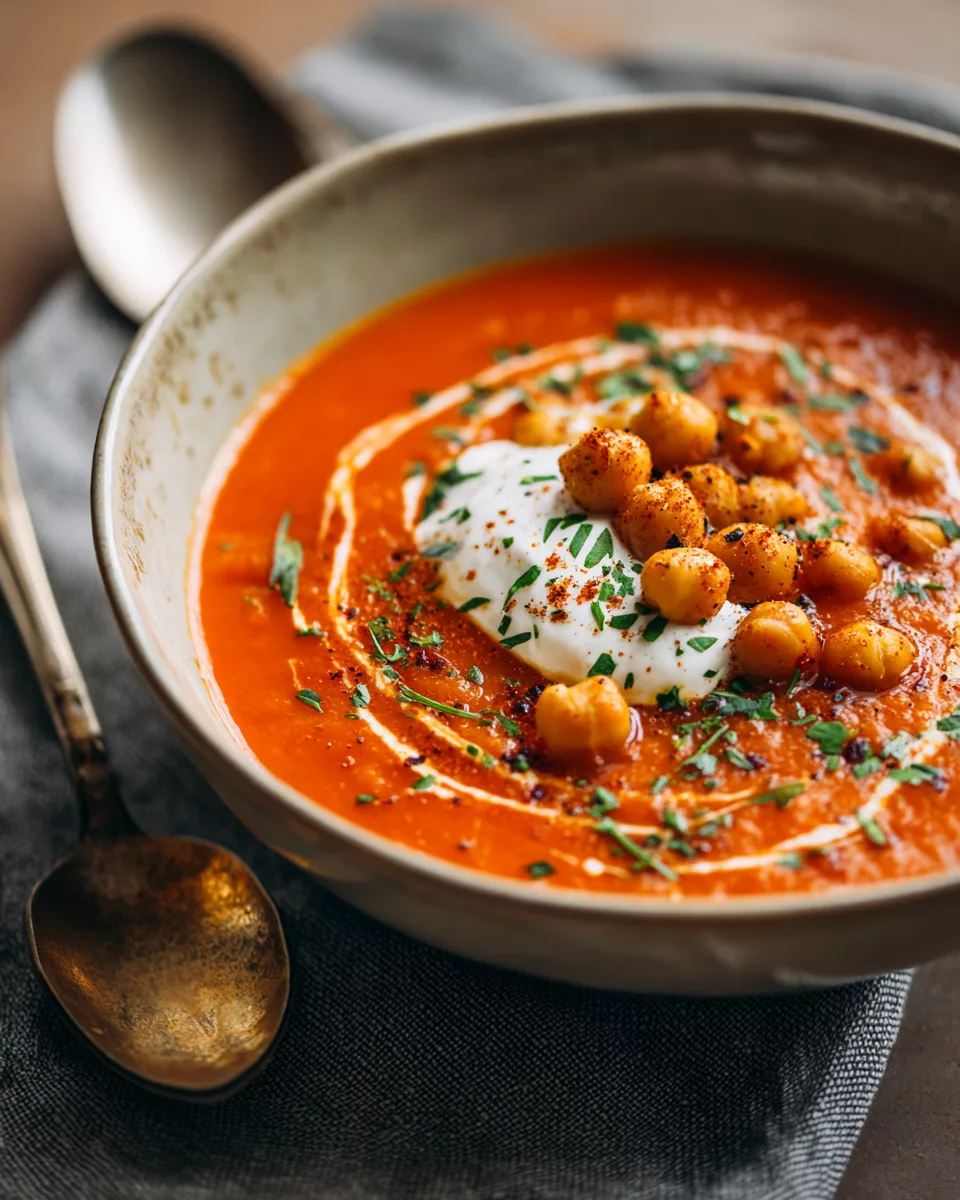
Grab a shallow bowl or deep one this is up to you based on how much broth you like. Ladle the soup in slow so you keep some chickpeas on top. If you want a bit of green add a sprinkle of chopped parsley or cilantro in the center.
You could drizzle a little olive oil on top. That gives a slick look and a hint more fruitiness. If you have a swirl of yogurt or cream ready you can make a heart or circle pattern. Dont worry if it isnt perfect. Imperfections look more approachable.
For crunch try croutons garlic or cheese crisps on the side. Your soup will feel special without too much fuss. That little plating move shows you cared.
Leftover Remix Hacks For Soup
Got leftovers of your chickpea tomato soup Well you are in luck. This soup adapts to new shapes easily. You can turn it into a sauce or even a dip in no time. All it takes is a few tweaks and some kitchen creativity.
If you want a dip grab some of your soup and let it reduce on low heat till it thickens like a paste. Stir in a spoon of tahini or cream cheese for extra creaminess. Serve it with crackers pita chips or raw veggies and you have a whole new snack.
To make a pasta sauce take the cooled soup and blend it smooth then put it back in a pan. Heat it gently with a splash of olive oil and toss in your cooked pasta. Add fresh herbs and a bit of cheese and you have a quick dinner.
Another idea is to bake it. Pour leftover soup into a shallow baking dish and top with mashed potatoes or sliced potatoes. Bake until the top is golden brown. That turns your soup into a pie style bake.
Dont be afraid to freeze portions. Just let the soup cool then ladle into containers. When you reheat it use low and slow heat on the stove so you dont lose any body or flavor. These hacks make sure nothing goes to waste.
And if you love a good grilled cheese dunk simply heat a bowl of soup on the side and grill your cheese sandwich. Dip the sandwich right into your soup and get that gooey combo. Its a classic pairing and you will never want plain soup again.
Takeaways And Common Questions Answered
At this point you have made your chickpea tomato soup from start to finish. You saw how heat shapes every step. We talked about Maillard browning when we woke up the onions. We journeyed through slow simmer and low and slow phases. You did a mid cook check and a final protein rest. Now you have a cozy bowl that feels homemade and thoughtful. Remember to play with salt pepper and spices to suit your taste. You can tweak it to be tangier with a splash of vinegar or sweet with a pinch of sugar. If you find it too thick you can thin it with more broth or even water. It is such a forgiving recipe. Each time you make it you will learn little things about your stove and pot. That is the fun of home cooking. Let heat be your friend not your foe. Dont forget the little swirl or drizzle that takes your bowl from plain to personal.
Here are some quick answers to questions you might wonder about
- Q Can I skip the slow simmer You could boil it fast but you will miss layers of flavor that only gentle bubbles bring.
- Q What if I dont have canned chickpeas You can cook dried beans but make sure they are soft and tender before adding them to the soup.
- Q Can I make this vegan Yes just use vegetable stock and skip any dairy swirl on top.
- Q How long does it keep in the fridge You can store it covered for three to four days without losing much taste.
- Q Can I add other veggies Sure peppers carrots or spinach can join in but adjust cooking time so nothing turns to mush.
- Q Can I freeze it Yes freeze in portions for up to two months just thaw gently and heat on low heat so it does not separate.
These notes cover the basics and should help you master this chickpea tomato soup with confidence. Keep in mind every kitchen is a little different so use these steps as your guide not your rule book. Finally keep a record of your tweaks in a notebook or phone. Note the time you let it slow simmer or the herbs you tried. That way you can improve next round. Happy cooking and may your neighbor at the fence be impressed by your heat game and flavor know how.

Chickpea Tomato Soup
Equipment
- 1 Large pot
- 1 Wooden spoon or spatula
- 1 Measuring cups
- 1 Measuring spoons
- 1 Can opener
Ingredients
- 1 tablespoon olive oil
- 1 medium onion, diced
- 2 cloves garlic, minced
- 1 medium carrot, diced
- 1 can (14 oz) diced tomatoes
- 1 can (15 oz) chickpeas, drained and rinsed
- 4 cups vegetable broth
- 1 teaspoon ground cumin
- 1 teaspoon smoked paprika
- to taste salt
- to taste pepper
- 2 cups fresh spinach (optional) Stir in during the last 2 minutes of cooking.
- for garnish fresh parsley (optional)
Instructions
- Heat the olive oil in a large pot over medium heat.
- Add the diced onion, and sauté for about 3-4 minutes until softened.
- Stir in the minced garlic and diced carrot, cooking for another 2-3 minutes until fragrant.
- Pour in the canned diced tomatoes (with juice), drained chickpeas, vegetable broth, ground cumin, and smoked paprika. Season with salt and pepper to taste.
- Bring the mixture to a boil, then reduce the heat to low. Let the soup simmer for about 15 minutes to allow the flavors to meld.
- If using fresh spinach, stir it in during the last 2 minutes of cooking to wilt.
- Taste and adjust seasoning as needed.
- Ladle the soup into bowls, and garnish with fresh parsley if desired.