When I decided to tackle Classic Eggplant Parmesan for the first time I had no clue how much heat really changes every flavor note. I thought you just slap some fried eggplant slices with sauce and cheese in a dish and bake it. But as I got deeper into the kitchen I learned that controlling heat is the secret weapon that makes it sing. The way the aubergine gets tender without turning mushy it all comes down to slow simmer timing and careful frying so you get that crisp edge and soft center.
In this article I want you to see how every stage from frying to baking makes a difference. We will talk about Maillard browning when the eggplant hits the oil. We will mention protein rest for the cheese as it melts. We will look at caramelization of the tomato sauce over a slow simmer. All these bits add up to a Classic Eggplant Parmesan with layers of flavor not just shades of blah. So grab your spatula and let us dive into heat science in the most delicious way. For more inspiration on weeknight meals, check out these easy dinner recipes.
How heat shapes Classic Eggplant Parmesan flavor
Heat does more than just cook the eggplant it transforms each component. When eggplant slices hit hot oil we see Maillard browning on the edges. Those golden bits give a nutty depth that you will love. If the oil is too cool the slices soak up oil like a sponge and turn soggy instead of crisp. If it is too hot the exterior burns before the center softens. You find the sweet spot in between by paying attention to temperature not just guesswork.
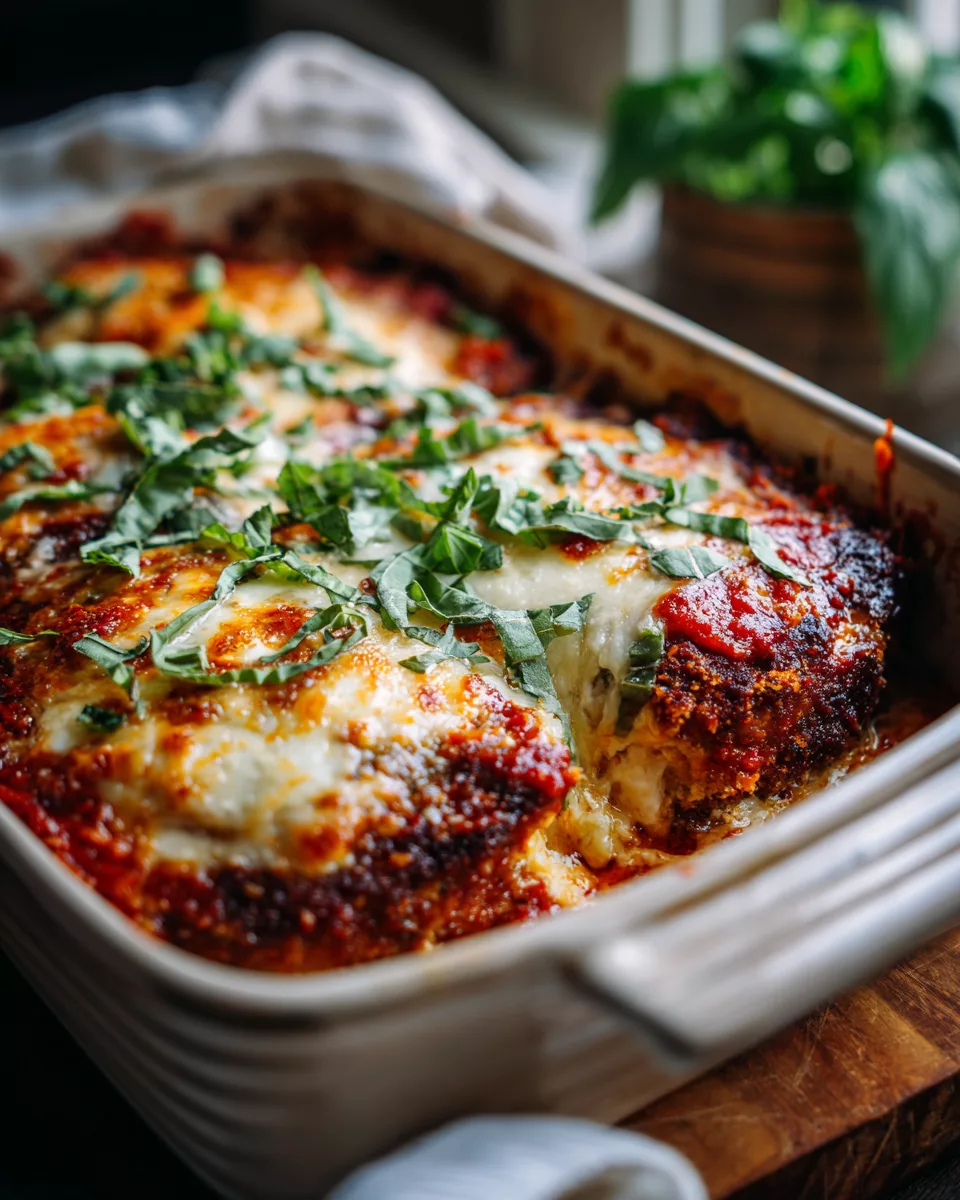
Then when you layer the sauce it is best to cook that over a slow simmer. This low and slow method gives the tomatoes time to break down and sweeten through caramelization. It brings out hidden sugars in the garlic and onion. All of this builds a sauce that clings to each eggplant slice. When you bake the assembled dish at steady oven heat you get protein rest as the cheese melts into creamy pools not run off the sides. Every stage relies on heat control to shape taste texture and melt that cheese so it is just right.
Pantry roll call for the perfect eggplant parm
Before you get started you need to assemble all the building blocks for your Classic Eggplant Parmesan. Having everything ready stops you from juggling tasks and burning bits in the pan. Gather your tools and ingredients so you can move smoothly from one step to the next. Here is the simple pantry roll call for six to eight key items you will need.
- 2 medium eggplants about 1 pound each trimmed and sliced into half inch rounds
- 4 cups tomato passata or crushed tomatoes for a silky sauce
- 1 small onion finely chopped
- 3 garlic cloves minced or thinly sliced
- 1 cup freshly grated Parmesan for sharp salty tang
- 2 cups shredded mozzarella for gooey cheese pull
- Flour and beaten eggs for the classic breading station
- Olive oil and fresh basil for frying and garnish
Besides those ingredients make sure you have salt and pepper ready. You will also want a baking dish about nine by thirteen inches and a skillet for frying. That is all you need in your line up to build layers upon layers of taste texture and melty cheese satisfaction.
Prep zone setup for smooth cooking
Getting the prep right keeps your stove time stress free. I line up three wide bowls for dredging in flour egg and breadcrumbs. That station helps me flip each slice without dropping the crumbs on the floor. It may sound extra but it stops lumps and gives an even crisp crust. I always pat the eggplant slices dry with paper towels first so they absorb less oil and crisp up faster.
While the dredge station is ready I chop the onion and garlic and set them in a small bowl close by. Then I fill the baking dish with a thin layer of sauce so the first slices do not stick. On the opposite side of the counter I put my grated cheese in a shallow dish so I can grab as I go. This mise en place means I never search for spoons or bowls under hot pans. It makes the entire rhythm of frying layering and baking flow without hiccups.
Aroma scenes as sauce simmers
Once the onion hits the hot oil you immediately smell that warm inviting scent that hints at what is to come. That is the start of caramelization in the pan. I stir it slowly until it is translucent then add garlic and a pinch of salt. Both get a gentle sweat before you pour in the tomato passata.
Now reduce the flame so the sauce bubbles in a gentle slow simmer. It may barely seem active but over fifteen to twenty minutes those sugars break down. You will notice the sharp tomato edge soften into a rounded richer umami. Keep stirring from time to time to scrape up any bits stuck on the bottom that hold flavor.
Mid cook checkpoint test
By now your eggplant slices have gone through the frying station and are crisp golden in spots. You can test one slice by tapping it gently. It should feel firm on the outside yet give softly under pressure. If it still feels leathery return it to the oil for another thirty seconds low and slow.
Check your sauce too. You want thickness not watery. A spoon drawn through the surface should leave a trail that slowly closes. If the sauce is still too loose keep simmering until it clings nicely to the spoon this shows you reached the right balance of moisture release and caramelization.
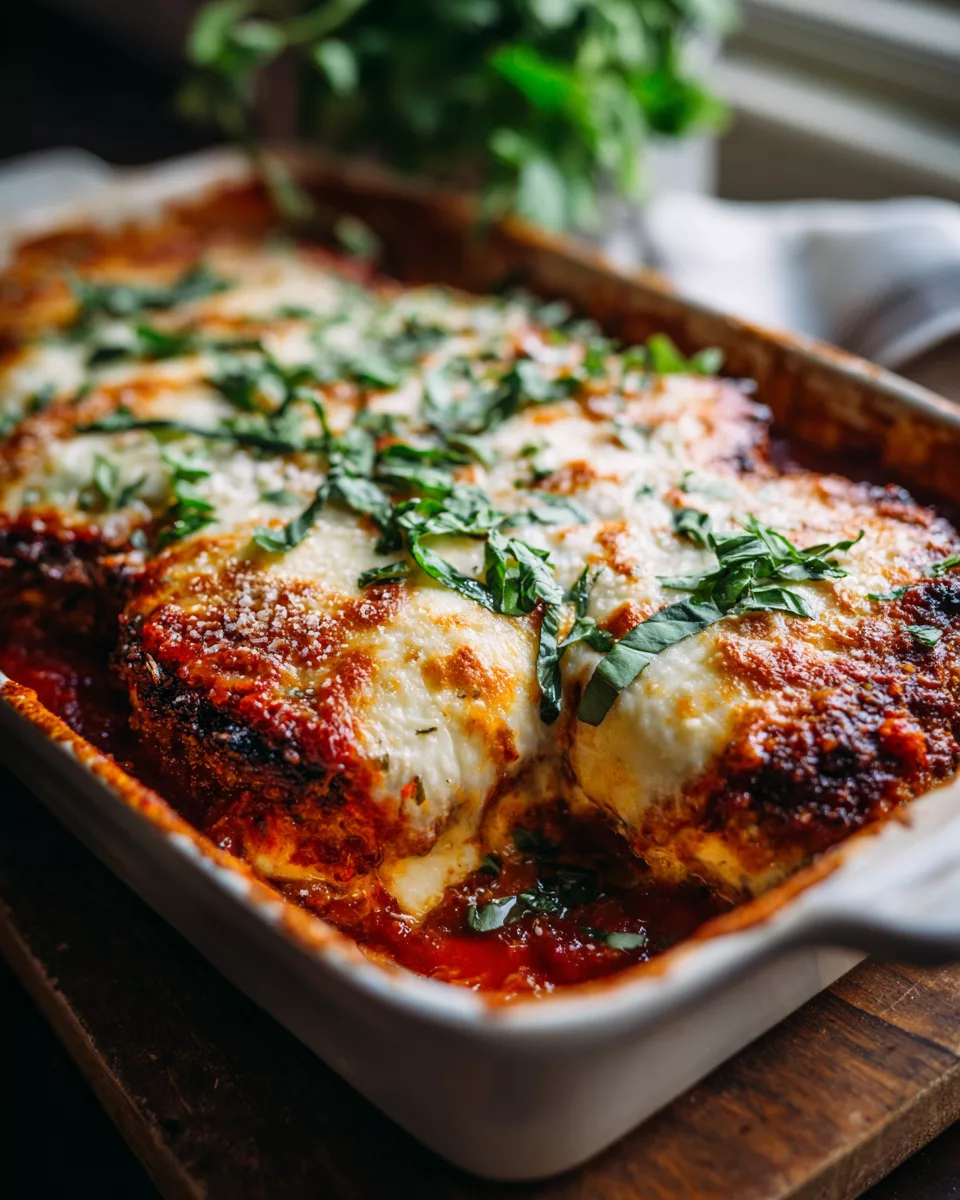
At this point you assemble by layering sauce eggplant cheese sauce eggplant more cheese and finish with a generous shower of Parmesan. No shortcuts here every layer builds flavor depth texture contrast and cheesy pull for that ideal Classic Eggplant Parmesan.
Probing the eggplant for just right doneness
When the assembled dish has baked for about thirty minutes you need to confirm the center slices are properly tender. Insert a skewer or small knife into the middle. It should glide in easily without slipping through like butter. If the instrument meets resistance slide it back in the oven for another five to ten minutes.
This simple probe trick is a form of protein rest. Though we think of that with meat resting after cooking eggs and cheese also benefit from a moment. It lets juices redistribute and the cheese set slightly. Pulling it out too early makes the layers collapse and cheese ooze away. Taking a second to check gives you a firm yet creamy slice when you cut it.
Bringing it all together on the plate
Once it is done let the dish sit for about five minutes. That pause helps everything settle. Then I cut the Classic Eggplant Parmesan into squares with a sharp knife. Wiping the blade between cuts stops strings of cheese dragging across the surface. You want each portion neat with defined layers.
Slide a spatula under a square and lift it gently onto your plate. Garnish with a few ribbons of fresh basil leaves. The green pop of color brightens the deep red sauce and golden melted cheese. Serve it with crusty bread or a simple side salad for a full meal. You will notice the contrast of crisp eggplant caramelization against soft interiors and gooey cheese delivering that perfect bite.
Leftover tricks to keep it fresh
Cool any leftovers to room temperature before storing. When the layers are still warm condensation builds in the container and makes the crust soggy. I like to portion mine into single serve and wrap each piece in parchment paper. Then I store them in an airtight container in the fridge.
To reheat you can use the oven or air fryer. Preheat to three hundred twenty five degrees then bake for about ten to fifteen minutes until warmed through and cheese is tacky again. This restores a bit of that original crisp from Maillard browning on the edges.
If you want to freeze slices wrap them tightly in plastic wrap then drop in a freezer safe bag. Thaw overnight in the fridge and reheat as above. This hack saves the rich sauce and gooey layers for up to three months so you can enjoy Classic Eggplant Parmesan any night you like.
Key takeaways and common questions answered
Classic Eggplant Parmesan shines when you treat each part with care. Fry the slices at the right heat so you achieve Maillard browning without oil overload. Slow simmer the sauce to get real caramelization and depth. Practice protein rest as the cheese melts it makes a huge difference in texture. Finally bake low and slow so the layers knit together without drying out.
Here are answers to a few questions I get all the time.
- Can I skip frying and bake raw slices You could bake raw simply but you miss out on that crisp edge and nutty flavor from the Maillard reaction. Frying is worth the extra step if you want depth.
- How do I avoid oily eggplant Pat slices dry first. Use oil hot enough to seal the surface fast. Blot with a paper towel after frying.
- Which cheese melts best Mozzarella gives gooey pull. A mix of part burrata or fresh mozzarella with shredded helps balance moisture.
- Can I use canned tomatoes Yes choose a good quality crushed tomato or passata. Add a pinch of sugar if the sauce tastes too sharp.
- What temperature for reheating Aim for three twenty five degrees. This revives crisp edges without drying out the interior.
With these tips and tricks you will nail the perfect Classic Eggplant Parmesan every time. Also, browse some simple dinner ideas to complement your eggplant parm nights.

Classic Eggplant Parmesan
Equipment
- 1 baking sheets
- 3 shallow bowls
- 1 large skillet
- 1 slotted spoon
- 1 9x13 inch baking dish
- 1 aluminum foil
- 1 spatula
- 1 oven
Ingredients
- 2 large eggplants About 1.5 kg.
- to taste salt For sweating the eggplants.
- 2 cups all-purpose flour
- 4 large eggs
- 2 cups breadcrumbs Preferably seasoned.
- 2 cups marinara sauce
- 3 cups shredded mozzarella cheese About 300 g.
- 1 cup grated Parmesan cheese About 100 g.
- 1 tablespoon dried oregano
- to taste fresh basil leaves For garnish, optional.
- as needed olive oil For frying.
Instructions
- Preheat the oven to 375°F (190°C).
- Slice the eggplants into ½-inch thick rounds. Place them in a colander and sprinkle salt over the layers. Let them sit for about 30 minutes to draw out moisture.
- Rinse the eggplant slices under cold water to remove excess salt and pat them dry with paper towels.
- Set up a breading station: In the first shallow bowl, place the flour. In the second bowl, whisk the eggs. In the third bowl, place the breadcrumbs.
- Dip each eggplant slice first into the flour, shaking off any excess, then into the egg, and finally coat it with breadcrumbs.
- Heat olive oil in a large skillet over medium heat. Fry the breaded eggplant slices in batches until golden brown on both sides, about 4-5 minutes per side.
- Use a slotted spoon to transfer the fried eggplant slices onto paper towels to drain excess oil.
- In a 9x13 inch baking dish, spread a thin layer of marinara sauce at the bottom. Layer half of the fried eggplant slices over the sauce.
- Sprinkle a portion of mozzarella and Parmesan cheese on top, along with half of the dried oregano.
- Repeat the layering process with the remaining marinara sauce, eggplant, and cheeses. Finish with a final layer of cheese on top.
- Cover the baking dish with aluminum foil and bake in the preheated oven for 25 minutes.
- Remove the foil and bake for an additional 15-20 minutes, or until the cheese is bubbly and golden.
- Allow the dish to cool for about 10 minutes before serving. Garnish with fresh basil leaves if desired.