I’ve got this cluttered kitchen counter with potatoes piled up and my neighbor poking his head in every few minutes. He’s obsessed with heat and how it shapes flavor. When it comes to German Potato Pancakes I find myself doing what he says. He’s always nudging me to think about Maillard browning and caramelization as the spuds hit the pan. He even reminds me to give my batter a little protein rest so it binds just right.
The sizzle and the smell get me every time. That first crackle when the grated mix meets hot oil is like a promise of crispy edges and tender centers. My neighbor keeps talking about low and slow versus high heat flips and it kind of cracks me up. But I can’t argue, every tweak he suggests makes those potato pancakes taste better. This is my take on German Potato Pancakes that takes his heat obsession in mind so we can all savor that golden crunch together.
Heat Matters When You Flip
Setting the right pan heat makes or breaks these pancakes. If the pan is too cool the batter soaks up oil and gets greasy. Too hot and the edges burn before the center cooks.

I aim for a medium hot skillet that gives a steady sizzle. This helps the Maillard browning happen slowly so I get an even crust. I let the pan warm up for a good few minutes before dropping any batter in. Then as each pancake cooks I adjust the flame if I see uneven browning.
The next tip my neighbor swears by is to keep things low and slow for a couple minutes after flipping. That way the interiors firm up without over crisping the outside. You can see how heat really rules this whole process so you end up with a perfect balance of textures.
Stash for German Potato Pancakes
- Potatoes medium starchy ones work best so you get some caramelization on the edges.
- Onion a small yellow onion grated helps with extra flavor and some natural sweetness when it caramelizes in the mix.
- Eggs two large eggs to bind the grated mix after a little protein rest.
- Flour a few tablespoons of all purpose flour to help the batter hold together crisp and firm.
- Salt and Pepper to taste so the edges pop with flavor once they brown.
- Oil a neutral oil for frying helps keep the heat steady and lets the Maillard reaction do its thing.
- Optional spices like a pinch of nutmeg or garlic powder to bump the flavor up a notch.
- Sour cream or apple sauce for serving brings in a cool creaminess or slow simmered sweetness.
That pantry roll call sets you up for some tasty German Potato Pancakes where heat and flavor meet in every bite.
Get Set Before You Fry
Prep the potatoes by peeling and then grating them on the coarse side of a box grater. It helps to work over a bowl to catch all the shreds. Right away you can see all the little bits ready to turn golden.
Next I squeeze out extra moisture using a clean dish towel. It is key to reduce sogginess so each pancake gets to crisp up quick. My neighbor never stops reminding me about that.
Combine the mix by tossing the drained potatoes with grated onion eggs and flour in a large bowl. I add my salt and pepper at this point. Then I cover it with plastic wrap and let it rest. Letting the batter do a short protein rest helps everything stick together better when it hits the pan.
While it rests I heat my pan to medium hot and pour in enough oil to cover the bottom. This is where I watch for a shimmer on the surface and a faint wisp of smoke so I know it is ready.
That First Whiff Moment
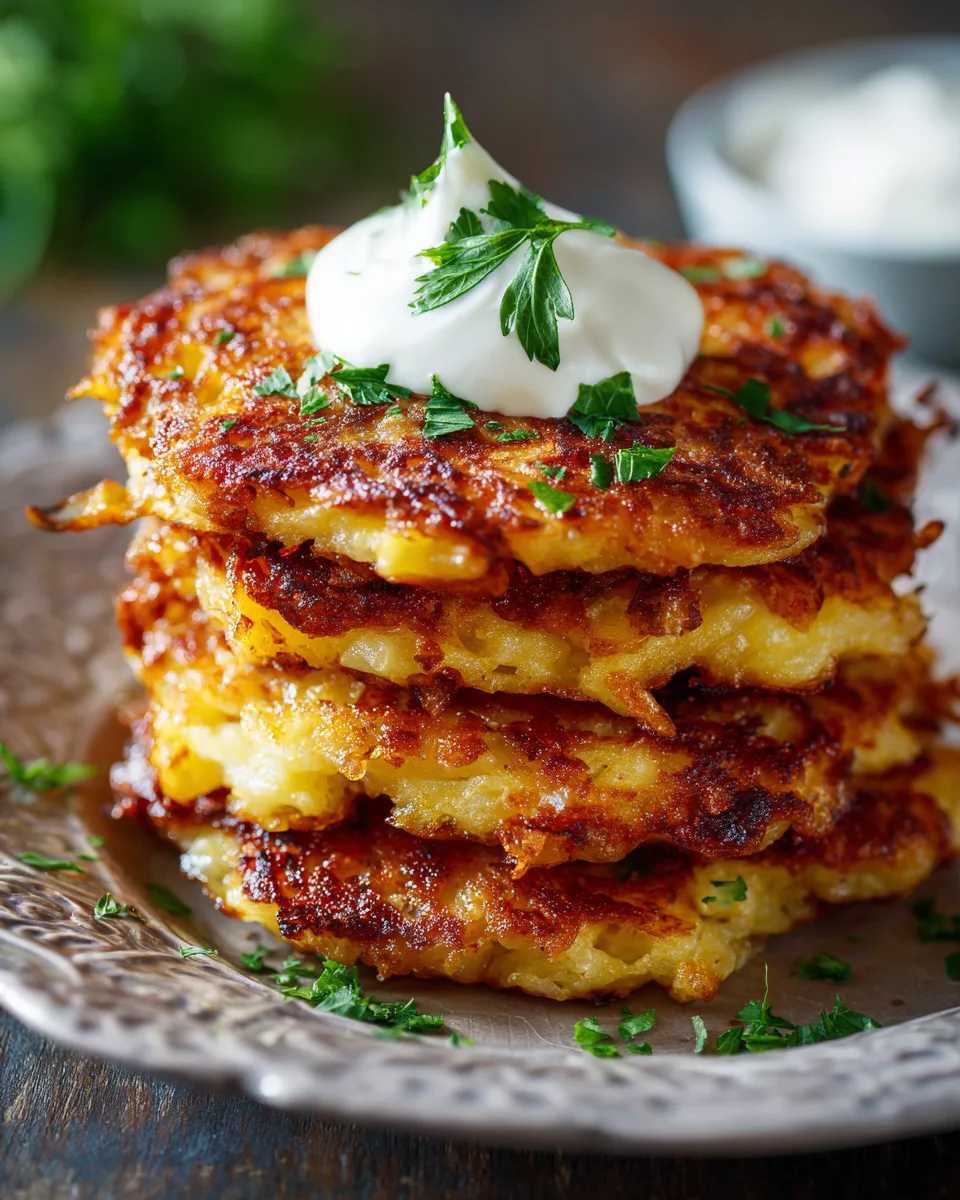
Aroma sets the mood as soon as the batter touches the oil. You get a toasty scent that hints at those crispy edges.
It is like a warm hug in the kitchen when the potatoes and onion start to turn golden. My neighbor leans in each time I fry a batch and says it smells like caramelization and comfort food rolled into one.
Halfway Crisp Check
Flip at the right time which is when the bottom edge is a deep golden color and the sides look set. If you peek too early the pancake can fall apart when you turn it.
I use a thin spatula that slides easily under each cake so I don’t tear it. Once flipped I let it cook another minute or two. Then I take it off the heat and keep it warm on a rack.
The neighbor will remind me that going low and slow after the flip ensures you don’t scorch the outside. This bit of patience gives you tender centers with a nice crust.
Probing for Perfect Texture
Check with a cake tester or a toothpick by poking the center. If it comes out mostly clean you are set. If it seems damp wipe off any batter and let it cook slightly longer.
This bit of testing keeps you from serving underdone pancakes. I once rushed it and got soggy middles. Now I always pause to probe the texture before piling them on a plate.
Serve with a Touch of Style
Plating flair can be simple. I stack the pancakes in a neat tower and add a dollop of sour cream alongside some chives. It makes people’s eyes light up even before they taste them.
You can also fan out some slow simmered apple sauce on the side for a sweet contrast. The neighbor says it takes the meal from home cook to bistro style in seconds.
Keep Leftovers Tasty
Storing means slipping cooled pancakes into an airtight container in the fridge. They keep well for two days or so.
To reheat I pop them in a skillet over medium heat with a little oil. Reheating this way brings back the crisp crust using that same Maillard browning trick as before. Avoid the microwave or they get floppy.
If you plan to freeze extras lay them flat on a sheet and flash freeze. Then move them into a freezer bag so they dont stick together. You can reheat frozen pancakes from low and slow in a warm oven until crisp and heated through.
Top Tips and Common Questions
Tip one grate potatoes just before cooking so they dont oxidize and turn grey. Freshness is key to good flavor and color.
Tip two dont overcrowd the pan. Give each pancake enough room so steam escapes and it crisps up rather than steams. My neighbor wont let me do more than three at a time in my skillet.
FAQ one what potatoes work best Well russet and Yukon gold are perfect. They have enough starch to bind but still crisp.
FAQ two can I use olive oil Yes but watch the smoke point. A neutral oil gives more leeway for that golden crust.
FAQ three how do I keep the pancakes warm Set them on a rack in a low oven run it low and slow at about a hundred fifty degrees. That keeps them crisp and warm until you serve.
These pointers and answers should help you nail your German Potato Pancakes with confidence. Just remember to respect your heat at every stage so you get that perfect balance of tender interior and crispy exterior.
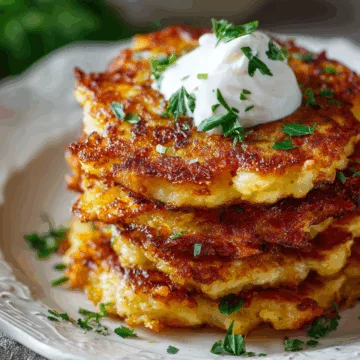
German Potato Pancakes
Equipment
- 1 large mixing bowl
- 1 grater or food processor
- 1 kitchen towel or cheesecloth
- 1 frying pan or skillet
- 1 spatula
- 1 serving plate
Ingredients
- 4 medium-sized potatoes About 2 lbs.
- 1 medium onion
- 2 large eggs
- ¼ cup all-purpose flour
- 1 teaspoon salt
- ½ teaspoon black pepper
- as needed oil for frying Such as vegetable or canola oil.
Instructions
- Begin by peeling the potatoes and onion. Use a grater or food processor to grate them finely.
- Place the grated potatoes and onion in a kitchen towel or cheesecloth, and squeeze out as much liquid as possible.
- In a large mixing bowl, combine the drained potato and onion mixture with eggs, flour, salt, and pepper, mixing until well combined.
- Heat a frying pan over medium heat and add enough oil to cover the bottom of the pan.
- Once the oil is hot, scoop about ¼ cup of the potato mixture and flatten it with a spatula to form a pancake.
- Fry the pancakes for about 3 to 4 minutes on each side or until they are golden brown and crispy. Adjust the heat as necessary to prevent burning.
- Remove the pancakes from the pan and place them on a serving plate lined with paper towels to absorb excess oil.
- Serve warm with applesauce, sour cream, or your choice of dipping sauce.
- You can customize the flavor by adding herbs or spices such as chives or garlic powder.
- Store any leftovers in an airtight container when cooled, and reheat in a skillet or oven for best results.