
That first hiss from the cooker tells you something good is happening. You remember the sound because it means you’re about to have a hearty meal ready quicker than you thought. That valve hiss brings a kinda promise that the pressure is working its way through the stew.
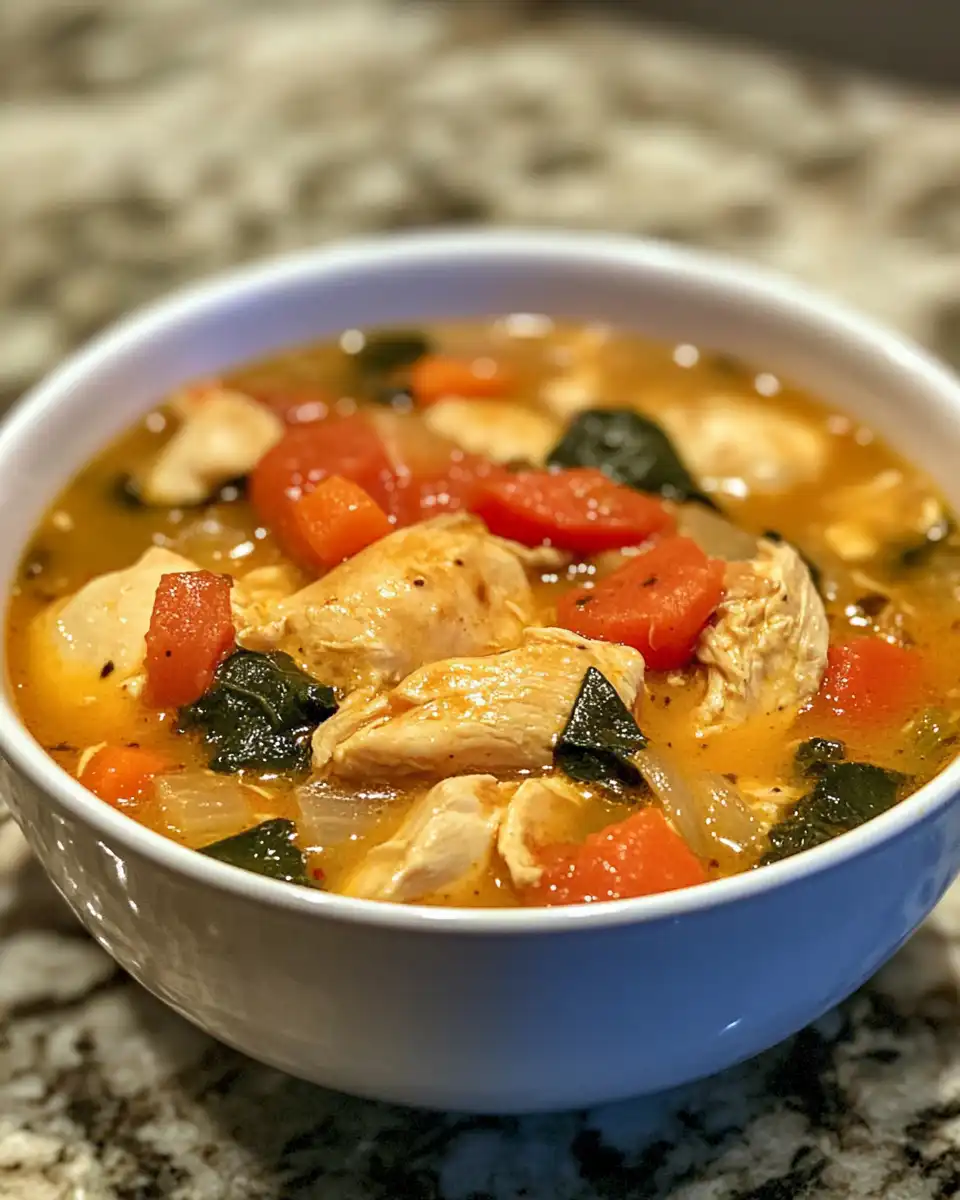
As you wait, you sense the smells starting to swirl around the kitchen. The way the chicken thighs, herbs, and veggies start to mingle makes your belly start to rumble a bit. You notice the steam escaping just right, all thanks to your sealing ring holding tight and your float valve doing its job.
There’s a calm in the kitchen when the timer starts. You lean back and know the slow release or natural release you’ll use in a minute is just the trick to keep the stew tender and juicy. Nothing better than that warm, cozy feeling when dinner’s almost ready and everything smells so dang good.
What Makes Pressure Cooking Win Every Round
- You get dinner fast without slaving over the stove for hours.
- The sealing ring keeps all the steam trapped inside for perfect cooking.
- Using the float valve, you know exactly when your cooker’s ready and working right.
- Natural release helps keep meat super tender and veggies not too mushy.
- Pressure cooking locks in flavors better than simmering low and slow.
- It’s a one-pot wonder that cuts down on cleanup majorly.
- You can walk away for a bit and trust your cooker to handle the rest.
Everything You Need Lined Up
- 1 lb chicken thighs, boneless and skinless. You want that juicy, tender meat.
- 2 tablespoons olive oil. This adds a nice background flavor and keeps things from sticking.
- 1 onion, chopped. It brings a sweet, savory base that you gotta have.
- 3 cloves garlic, minced. Garlic’s the kitchen MVP here, adding that punch.
- 3 carrots, sliced. They soften just right and add that splash of color.
- 2 potatoes, diced. These soak up all that broth and give some body to your stew.
- 2 celery stalks, chopped. For that classic stew flavor that rounds out the veggies.
- 4 cups chicken broth. This is your stew’s base, so make sure it’s flavorful.
- 1 teaspoon dried thyme and 1 teaspoon dried rosemary. Herbs that bring kinda earthy goodness.
- Salt and pepper to taste. Can never go wrong seasoning well.
- 2 tablespoons flour. Helps thicken up your stew to that perfect consistency.
- ¼ cup fresh parsley, chopped. Sprinkle on top for a fresh finish.

Your Complete Cooking Timeline
- Heat up your olive oil in the pressure cooker pot over medium heat. This gets the base ready for your flavors.
- Add the chicken thighs to the pot and brown them on all sides. Takes about 5 minutes. Browning locks in flavor so don’t skip this.
- Pull the chicken out and set it aside. You gotta keep that golden goodness but make room for veggies.
- Now toss in the chopped onion and minced garlic. Sauté them till they get soft and smell amazing, about 3 minutes or so.
- Add carrots, potatoes, and celery next. Stir and cook for 5 more minutes to get them going.
- Sprinkle the flour over your veggies and stir it in well. This step thickens your stew so it’s not just broth.
- Slowly pour in the chicken broth while stirring so you don’t get lumps. Then pop the chicken back in. Add thyme, rosemary, salt, and pepper.
- Seal the lid and wait till you hear that valve hiss. Once it’s hissing, cook under pressure for about 15 minutes.
- When time’s up, go for a natural release or slow release for about 10 minutes. This keeps chicken juicy and veggies from turnin’ to mush.
- Open the lid carefully, watch out for that float valve dropping. Stir in fresh parsley and boom, you’re ready to eat.
Smart Shortcuts for Busy Days
- Buy pre-chopped veggies if your day’s gone sideways. It speeds things up big time.
- Use rotisserie chicken in place of raw thighs. It’ll save you the browning step and still load flavor.
- Swap fresh herbs for dried if you’re running low. They hold up fine under pressure cooking.
- Prepare a big batch and freeze portions. You can reheat it quick when you need comfort fast.
When You Finally Get to Eat
You notice the stew hits you with that warm, welcoming smell that’s kinda like a comforting hug. The chicken is tender enough to fall apart with just your fork but still juicy. The veggies soak up that broth so dang good and keep a bit of bite.
Every spoonful is layered with herbiness from the thyme and rosemary. The parsley adds a fresh pop that brightens the whole bowl. You get those sweet carrot notes mingled with the earthy potatoes and celery.

A little swirl of broth coats your spoon, thick but not gloopy thanks to that flour step. This stew feels like the kinda home-cooked meal you swear you wouldn’t have time for but your pressure cooker delivered. You smile ‘cause dinner’s checked off and tastes great.
Keeping Leftovers Fresh and Ready
- Cool the stew at room temperature but don’t let it hang out for more than two hours. Then pop it in an airtight container to keep smells and moisture locked.
- Store leftovers in the fridge and eat within 3-4 days. Reheat on stove or in microwave, stirring halfway so it warms even.
- If you wanna keep it longer, freeze in portions. Use freezer-safe bags or containers. Thaw in fridge overnight before reheating.
Everything Else You Wondered About
- Can I use chicken breast instead of thighs? Sure thing. Just don’t overcook ‘em. Reduce pressure time a bit because breast cooks faster and might dry out.
- What’s the difference between natural release and slow release? Natural release means you let the pressure drop on its own. Slow release means you carefully and slowly open the valve to release steam. Both keep your food tender but natural release takes a little longer.
- Why do I hear a valve hiss during cooking? That hiss happens when the pressure build-up starts releasing steam through the valve. It’s a sign your cooker’s working right and cooking under pressure.
- How do I know the float valve is working? When the cooker pressurizes, the float valve pops up. When pressure drops, it falls back down. It’s like a safety peek so you don’t open early.
- Can I skip using flour to thicken? You can, but your stew broth might be a little thinner. If you want it thicker you can also use cornstarch mixed with water instead.
- What’s the sealing ring for? The sealing ring keeps steam trapped inside the cooker so pressure builds instead of leaking out. You gotta check it’s in good shape so your cooker works properly every time.
For more hearty one-pot meals try our Copycat Outback Baked Potato Soup that’s rich and creamy or spark up the flavor with Apple Cider Vinegar Pulled Pork, cooked low and slow in your pressure cooker with tender juicy results. Need a quick breakfast option afterwards? Check out Deviled Eggs With Bacon to start your day with smoky, creamy goodness.

Chicken StewIngrid Beer Pressure Cooker Recipe
Ingredients
Main ingredients
- 1 lb chicken thighs boneless and skinless
- 2 tablespoons olive oil
- 1 onion chopped
- 3 cloves garlic minced
- 3 carrots sliced
- 2 potatoes diced
- 2 stalks celery chopped
- 4 cups chicken broth
- 1 teaspoon dried thyme
- 1 teaspoon dried rosemary
- to taste salt and pepper
- 2 tablespoons flour
- ¼ cup fresh parsley chopped
Instructions
Instructions
- Heat up your olive oil in the pressure cooker pot over medium heat.
- Add the chicken thighs to the pot and brown them on all sides. Takes about 5 minutes.
- Pull the chicken out and set it aside.
- Now toss in the chopped onion and minced garlic. Sauté them till soft and fragrant, about 3 minutes.
- Add carrots, potatoes, and celery. Stir and cook for 5 minutes.
- Sprinkle the flour over veggies and stir it in well.
- Slowly pour in chicken broth while stirring. Add chicken back in along with thyme, rosemary, salt, and pepper.
- Seal the lid and wait till you hear the valve hiss. Cook under pressure for about 15 minutes.
- When time’s up, do a natural or slow release for 10 minutes.
- Open the lid carefully, stir in fresh parsley, and serve.