Lobster pasta is a fancy dish, its full of ocean taste and makes dinner feel extra special. the lobster is tender, the pasta is cooked just right and its all wrapped up in a rich sauce thats super tasty. you might think its too hard but once you try it, you’ll see its really not that tricky.
Long ago, people living by the coast mixed fresh seafood with simple ingredients to make tasty meals. in places like the Mediterranean, where lobsters are everywhere, cooks kept trying new ways to make it better. over time, lobster pasta spread to homes and fancy restaurants alike, each adding their own twist.
In this article we’ll show you how to make lobster pasta from start to finish. you’ll learn about the ingredients, steps to cook it, and a few tricks to get it just right. whether you’re new to cooking or you’ve made dinner a bunch of times, this guide has something for you.
Section 1: What is Lobster Pasta?
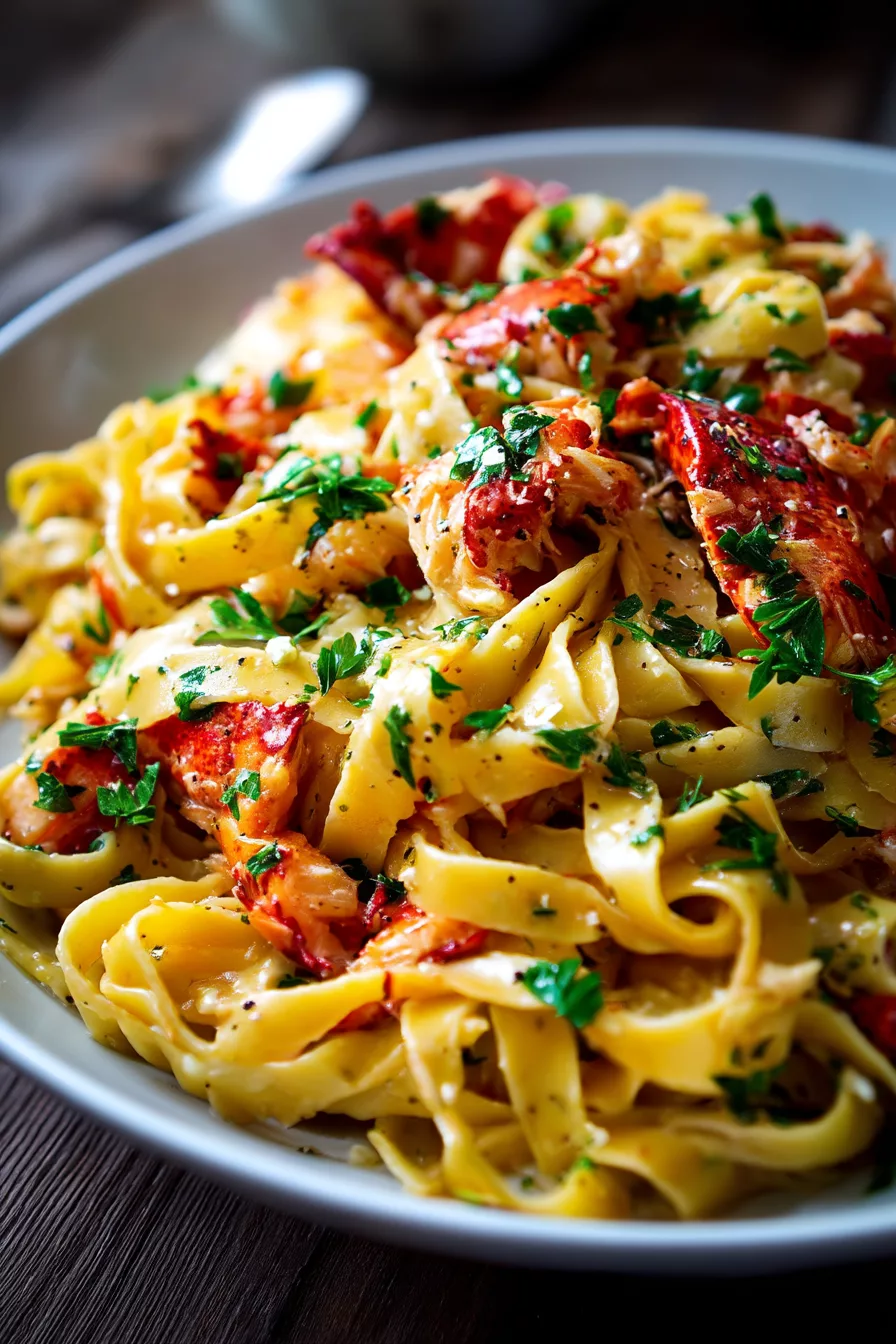
Lobster pasta is a dish that mixes sweet lobster meat with pasta in a way that each bite feels like a party in your mouth. its usually served with a sauce that can be creamy or made with olive oil and herbs. while no one agrees exactly where it started, people everywhere now love it, especially in places where lobster is fresh.
1.1 Definition of Lobster Pasta
At its core, lobster pasta is pasta plus lobster meat plus sauce. sounds simple, right? but the magic happens in small details: the pasta type, how you cook the lobster, and the sauce you choose. you can use a creamy sauce that clings to every strand or a light oil-based sauce with garlic and basil.
1.2 Popular Variations
- Creamy Lobster Pasta: made with heavy cream, garlic, and maybe a splash of white wine, this one is rich and velvety.
- Tomato-based Lobster Pasta: uses fresh tomatoes or sauce for a tangy taste that cuts through the lobster’s sweetness.
- Oil-based Lobster Pasta: a lighter choice where olive oil, garlic, and herbs shine, letting the lobster flavor stand out.
1.3 Nutritional Value
Lobster might seem like just a treat, but it’s also good for you. its low in fat and calories but high in protein. plus, you get vitamins like B12 and minerals like selenium and copper. adding it to pasta makes dinner feel indulgent yet still balanced.
Section 2: Ingredients for Lobster Pasta
Before you start cooking, gather these items. you can swap a few things if needed:
- 2 lobsters (or lobster tails if you want an easier time)
- 8 ounces of pasta (spaghetti, linguine, or fettuccine work well)
- 4 cloves of garlic (minced or chopped)
- ¼ cup of olive oil (or use butter for a richer taste)
- 1 cup of heavy cream (half-and-half is lighter)
- ½ cup of Parmesan cheese (grated; Pecorino Romano is fine too)
- Fresh herbs (basil and parsley to garnish)
- Salt and pepper to taste
- Lemon juice (or lemon zest for extra zing)
Using fresh, high-quality ingredients makes a big difference so try to pick the best you can find.
Section 3: Lobster Pasta Cooking Directions
Ok lets get cooking. follow these steps and you’ll have a mouthwatering lobster pasta in no time.
3.1 Preparing the Lobster
Fill a big pot with water, add lots of salt, and bring to a boil. drop the lobsters in and cook 8–10 minutes until they turn bright red. move them to an ice bath to cool down fast. then crack the shells, pull out the meat from claws and tail, and cut it into bite-size pieces. save the shells if you want to make a quick broth later.
3.2 Cooking the Pasta
In the same water you used for the lobsters, add pasta and cook until al dente—usually 8–10 minutes. remember to scoop out about a cup of pasta water before you drain, this starchy water helps the sauce stick. drain the pasta and set aside.
3.3 Making the Sauce
Heat olive oil in a large pan over medium heat. toss in garlic and sauté for 1–2 minutes but dont let it turn brown. pour in the cream and let it simmer gently. stir in Parmesan until it melts and the sauce is smooth. if it gets too thick, add some reserved pasta water a splash at a time.
3.4 Combining Everything
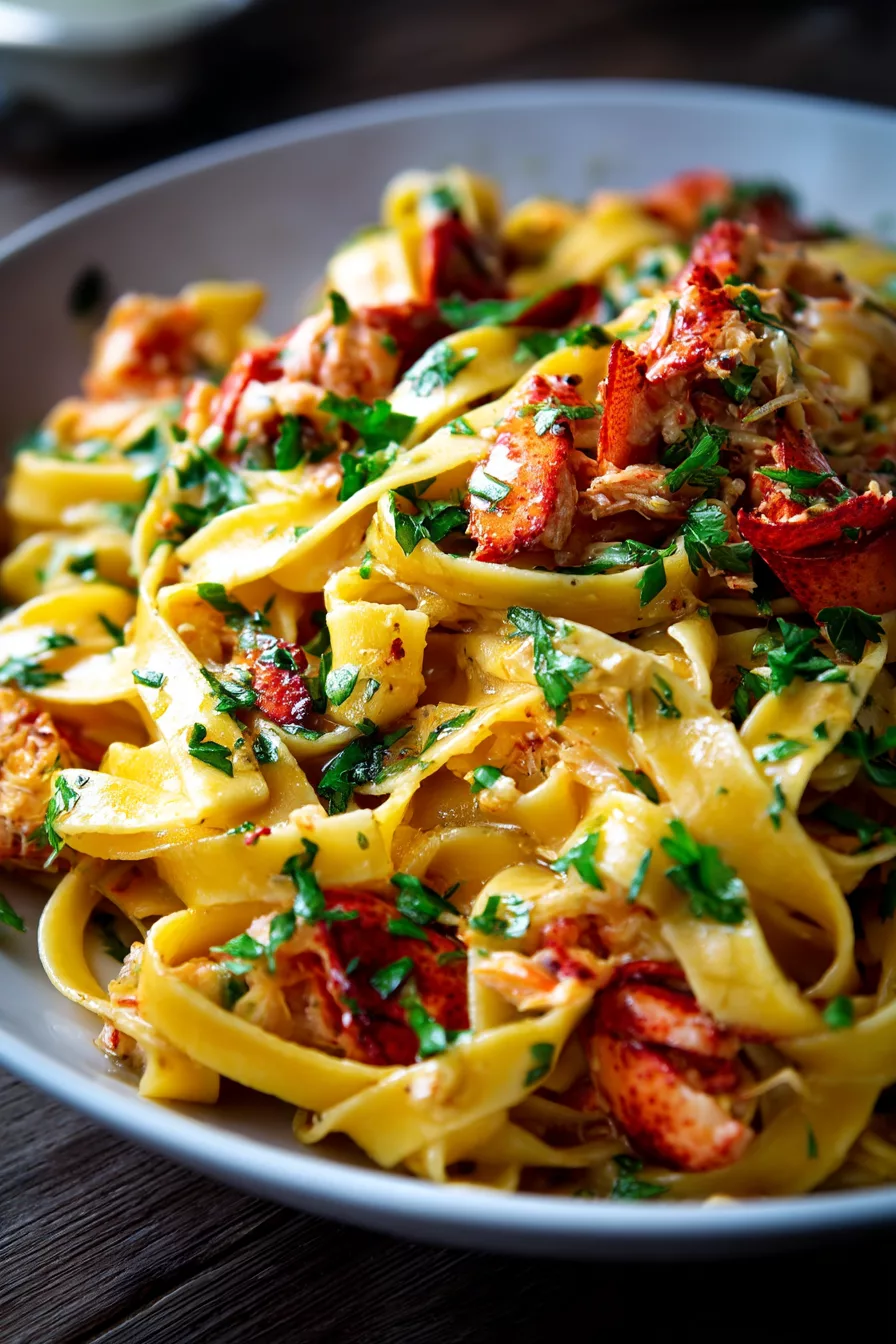
Toss cooked pasta into the sauce and mix well. fold in lobster pieces gently so they dont break. season with salt, pepper, and a squeeze of lemon juice. let it all heat together for 2–3 minutes. top with fresh herbs and serve right away.
Section 4: Tips for Perfect Lobster Pasta
4.1 Sourcing Fresh Lobster
Choose lobsters that are alive and squirming, with firm shells and bright color. buying from a local fish market is the best bet for fresh seafood.
4.2 Cooking Techniques
Dont overcook the lobster—aim for internal temp of 145°F. the meat should be opaque and firm, not rubbery. steaming is also a good way to keep it moist.
4.3 Adjusting Flavor
Taste your sauce as you go. add salt or lemon juice little by little until it tastes just right.
4.4 Serving Suggestions
Pair this pasta with a chilled white wine like Chardonnay or Sauvignon Blanc. a simple green salad or garlic bread on the side makes it a full meal.
Section 5: Common Mistakes to Avoid
5.1 Overcooking Pasta
Test the pasta a minute or two before the package says. you want a tiny bit of chew.
5.2 Undercooking Lobster
Use a thermometer or cut into the lobster to see if the meat is fully opaque and firm.
5.3 Not Balancing the Sauce
Keep tasting as you cook. if the sauce seems flat, a pinch of salt or dash of acid can wake it up.
Section 6: FAQ Section
6.1 How do I store leftover lobster pasta?
Put it in an airtight container in the fridge for up to three days. reheat slowly in a pan with a little cream or butter to keep it creamy.
6.2 Can I use frozen lobster or lobster meat for this recipe?
Yes you can, just thaw it fully in the fridge first. it might not taste as fresh but it still works great.
6.3 How do I know when my lobster is cooked?
When it turns bright red and the meat is fully opaque. you can check with a food thermometer at 145°F.
6.4 What type of pasta goes best with lobster?
Spaghetti, fettuccine, or linguine are classic because they hold onto sauce well. pick what you like most.
6.5 Can this recipe be made without cream?
Absolutely, you can make a tomato-based sauce or just garlic and olive oil for a lighter variation.
Section 7: Alternative Lobster Pasta Recipes
7.1 Lobster Mac and Cheese
This is mac and cheese with chunks of lobster in a gooey cheese sauce—super comforting and decadent.
7.2 Spicy Lobster Pasta
Add red pepper flakes or chili oil for heat that plays off the sweet lobster really well.
7.3 Lobster Tomato Basil Pasta
A fresh tomato and basil sauce that brightens up the lobster flavor for a lighter take.
Conclusion
Lobster pasta isn’t just another meal, it’s like a mini celebration on your plate. by following these steps and tips, you’ll wow anyone who tries it. make it for a simple dinner or a fancy party, and enjoy the mix of flavors from the sea and kitchen creativity.
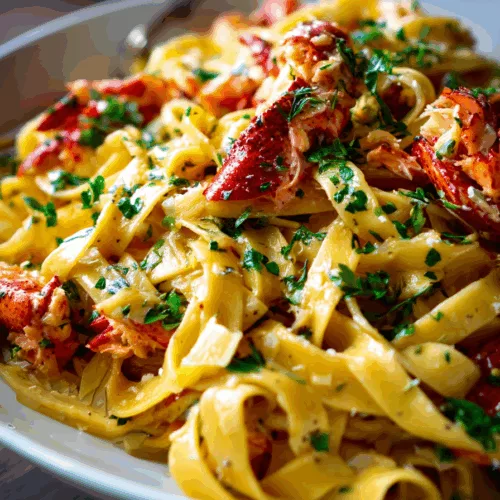
Lobster pasta recipe
Equipment
- 1 large pot
- 1 colander
- 1 large skillet
- 1 cooking spoon
- 1 tongs
- 1 cutting board
Ingredients
- 12 ounces linguine or spaghetti
- 1 tablespoon olive oil
- 1 small onion, finely chopped
- 2 cloves garlic, minced
- 1 red bell pepper, diced
- 1 cup heavy cream
- 1 cup lobster meat, cooked and chopped Fresh or pre-cooked.
- ½ cup cherry tomatoes, halved
- ½ cup grated Parmesan cheese
- to taste salt and pepper
- 1 tablespoon fresh parsley, chopped
- Juice of ½ lemon lemon juice
Instructions
- Bring a large pot of salted water to a boil. Add the pasta and cook according to package instructions until al dente. Reserve ½ cup of pasta water and then drain the rest in a colander.
- In a large skillet, heat the olive oil over medium heat. Add the chopped onion and sauté for 3-4 minutes until soft.
- Stir in the minced garlic and diced red bell pepper. Cook for an additional 2-3 minutes until the bell pepper is tender.
- Reduce the heat to low and pour in the heavy cream. Stir well and bring to a simmer, allowing it to thicken slightly (about 2-3 minutes).
- Add the cooked lobster meat, cherry tomatoes, and grated Parmesan cheese to the cream mixture. Fold them in gently and allow them to heat through for a couple of minutes.
- Combine the drained pasta with the sauce, adding a bit of the reserved pasta water if needed to reach your desired consistency. Season with salt, pepper, and lemon juice to taste.
- Serve immediately, garnished with chopped parsley.