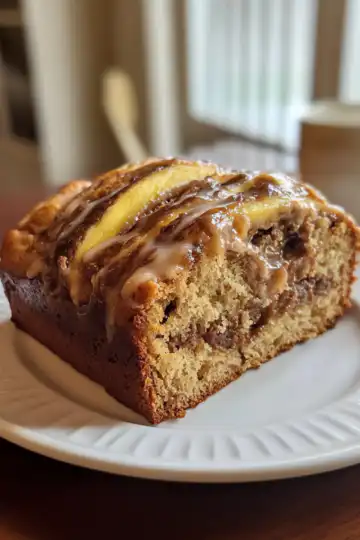
The pot lid rattles and you know dinner is almost ready. That little sound, it’s like a signal to get your plate ready. You spot the steam sneaking out right by the float valve. It’s the kitchen equivalent of a countdown, ticking down to that first warm bite.

You remember how you got here, kinda amazed. Rye breads feel fancy, right? But with this no-knead method, it's totally chill and kid-friendly. Just mix, rest, then cook under pressure till it’s perfectly tender and crusty.
You catch a whiff of the cumin and coriander mixed right in the dough. It’s subtle but there, whisperin’ promises of a bread you’re gonna wanna tear into. The cooker takes care of the rest, doing all the heavy lifting so the kitchen stays clean and you stay stress-free.
Why Your Cooker Beats Every Other Pot
- Maintains even heat, so no burnt spots or raw centers.
- Pressure seals in moisture for a tender pull crumb.
- Float valve gives you a clear sign when pressure’s up and ready.
- Sealing ring traps steam perfectly, which boosts that crust while keeping the bread moist inside.
- Quick release feature means you can stop cooking right when you want—no overcooked bread here.
- Slow release lets you gently cool down so the bread's structure doesn’t collapse.
Your Simple Ingredient Checklist
- 400 g rye flour — this gives the bread its signature hearty taste.
- 100 g all-purpose flour — helps keep the dough manageable.
- 350 ml water — room temp is best to wake up that starter.
- 100 g active rye sourdough starter — make sure it’s bubbly and lively.
- 10 g salt — balances flavors and controls fermentation.
- 1 teaspoon ground cumin — earthy and warm, your secret spice.
- 1 teaspoon ground coriander — adds a bright, lemony hint.
- a bit of flour for dusting — to keep the dough from sticking while shaping.
- cloth or plastic wrap — to cover your dough while it rests.
- proofing basket or bowl, floured — gives the dough shape and support during rise.
Walking Through Every Single Move
First, grab a big bowl. You put in rye flour, all-purpose flour, cumin, and coriander. Give ‘em a good mix so those spices spread everywhere.
Next, you add your sourdough starter and water. Stir it all up until it looks like a sticky mess—that’s good. You want every bit combined, no dry patches.
Now toss in that salt and mix again real thorough. The dough gets stickier, but that’s the sign you’re on track.
Cover the bowl with a damp cloth. Set it on your counter where it can rest for 12 to 18 hours. This is where your bread gets its deep flavor thanks to the slow fermentation.
After that long wait, gently pull the dough out onto a floured surface. Shape it into a round loaf real soft-like. No tough squeezing here, just gentle moves.
Pop your dough into the floured proofing basket or bowl, cover it up again, and let it rise another hour or two. Meanwhile, preheat your oven to 475°F and set a Dutch oven inside to heat up too.
Time Savers That Actually Work
- Use warm water to give the starter a head start on fermenting.
- Mix ingredients in the evening so you can let the dough do its thing overnight.
- Prep your Dutch oven and proofing basket ahead to save last-minute scrambling.
- Store your proofed dough in the fridge if you’re not ready to bake right away; it slows fermentation down.
Your First Taste After the Wait
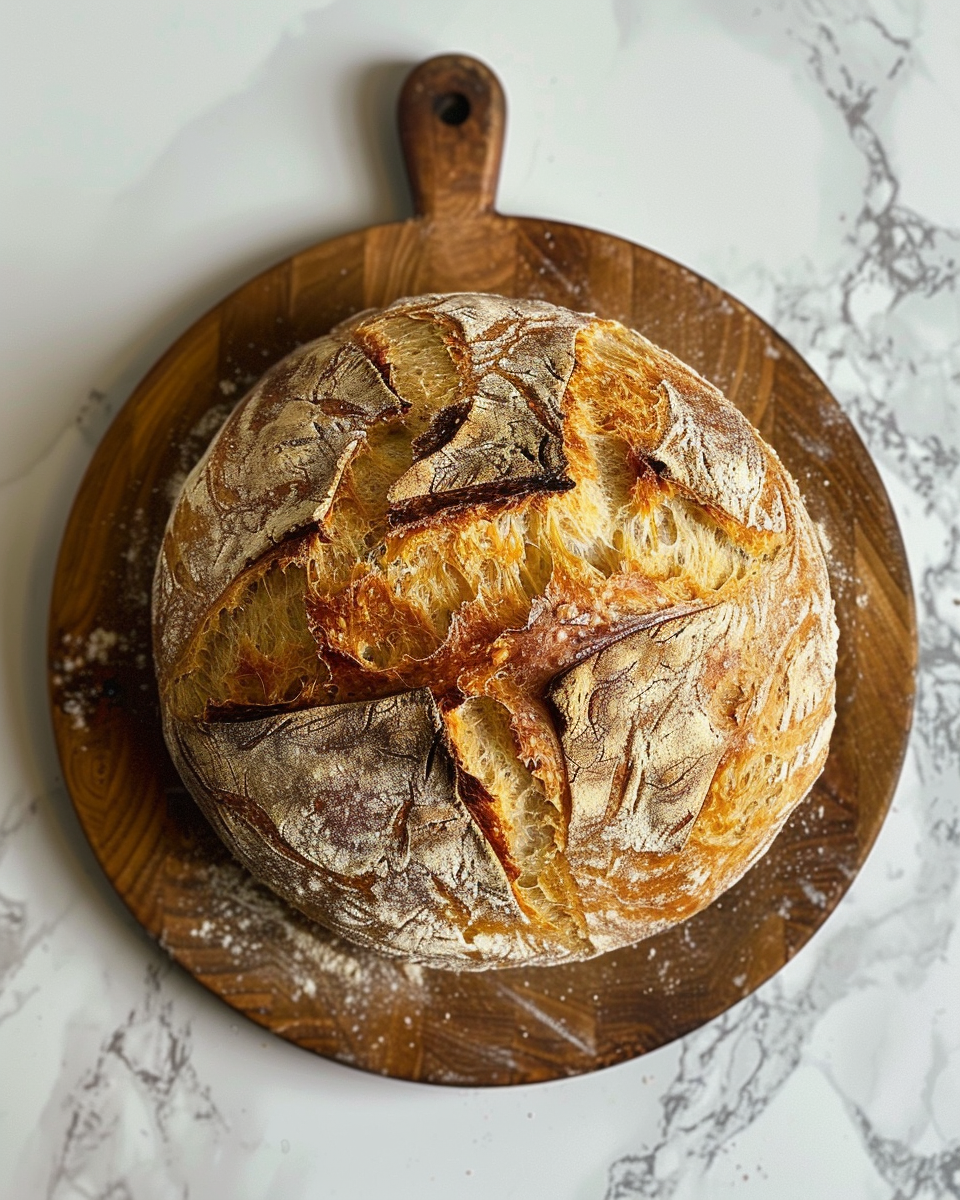
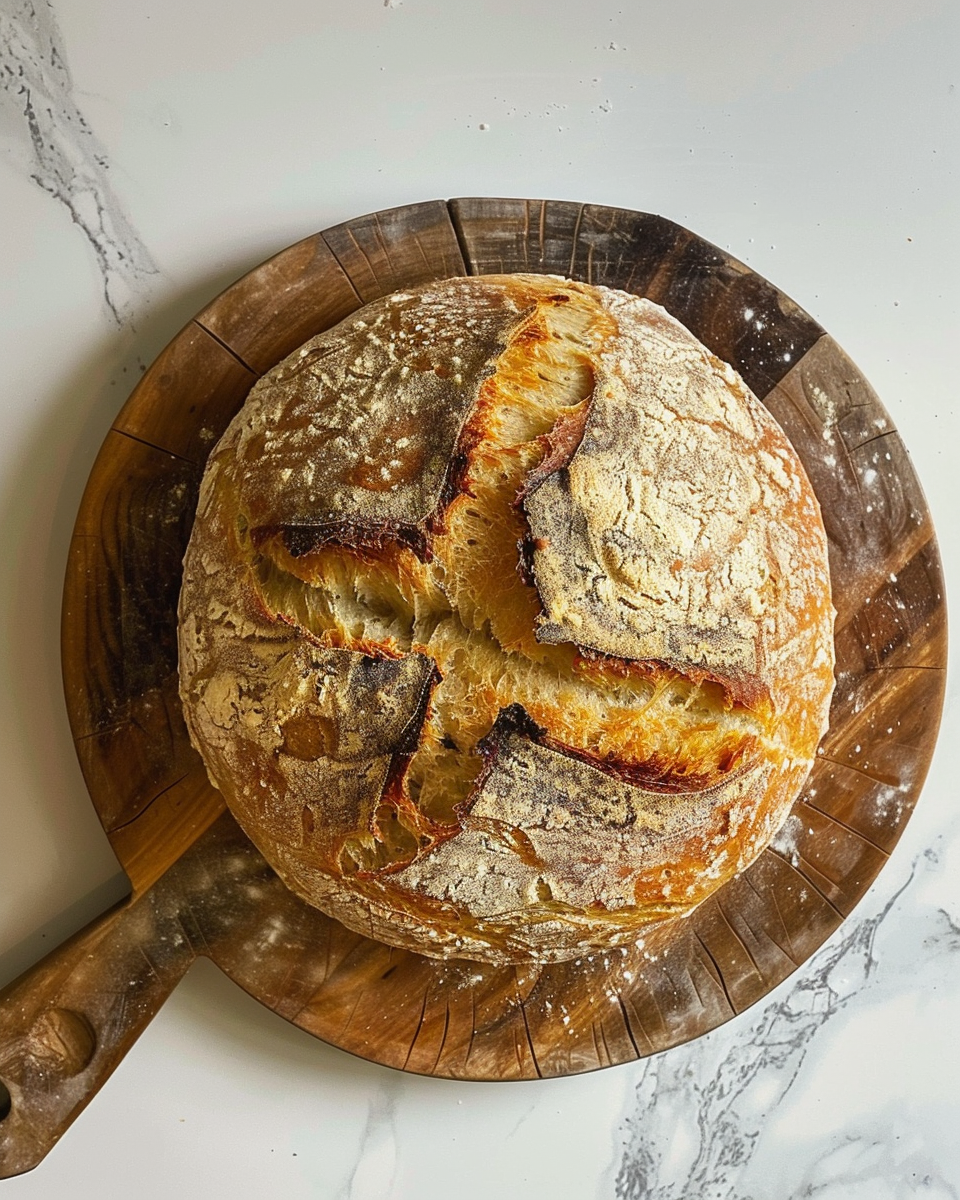
You slice into it and you notice that crust. It’s firm but not rock hard, crackling just enough. The scent hits your nose like a warm hug, all rye and spices mingled perfectly.
The crumb inside pulls apart tender but not gummy, kinda fluffy yet dense in that rye way. It’s got a chew that makes each bite interesting.
That cumin and coriander, you catch little bursts of them throughout. They make every mouthful a tiny adventure.
You take another piece and can’t help but smile. This bread ain’t just food it’s a conversation starter, a comfort on your table.
How to Store This for Later
Wrap your cooled bread in a clean kitchen towel to keep the crust crisp. Store it at room temp away from direct sunlight.
If you won’t finish it in a day or two, slice and freeze it in a sealed bag. You can toast slices straight from frozen and it’ll taste fresh.
For short-term, a paper bag inside a bread box works well. It breathes just enough to keep things from getting soggy.
Avoid plastic wrap for long storage since it traps moisture and makes the crust soft and sad.
Common Questions and Real Answers
- Q: Can I use all rye flour for this?
A: You could but it makes a super dense bread. Mixing with all-purpose helps light it up just a bit. Check out our easy sourdough bread recipes for more great loaf ideas. - Q: What’s up with the float valve on my cooker?
A: It lets you know when the cooker’s reached full pressure, so you know when to start your timer. Similar timing tricks come handy when making air fryer chicken bites. - Q: Can I skip the slow release?
A: Slow release is better here. Quick release might squash your loaf and lose that nice shape. - Q: My dough feels too sticky to handle. What now?
A: Don’t stress. Dust your hands and surface with flour and handle it gently to keep the shape. - Q: Can I double the recipe?
A: Sure, but just keep in mind your cooker size. You don’t wanna overfill and mess with the cooking time. - Q: How long will this bread keep fresh?
A: A couple days on the counter wrapped in a towel, or freeze slices for a longer share with your cravings.
Little Vienna Li’l Vienna Rye Sourdough Bread (No-Knead)
Equipment
- 1 Mixing bowl Large
- 1 Proofing basket or floured bowl
- 1 Dutch oven for baking at high heat
Ingredients
Main Ingredients
- 400 g Rye flour gives hearty taste
- 100 g All-purpose flour helps with dough handling
- 350 ml Water room temperature
- 100 g Active rye sourdough starter bubbly and lively
- 10 g Salt fine
- 1 teaspoon Ground cumin earthy and warm
- 1 teaspoon Ground coriander bright and lemony
Instructions
Instructions
- In a large bowl, combine rye flour, all-purpose flour, cumin, and coriander.
- Add the sourdough starter and water. Mix until all dry patches are gone and forms a sticky dough.
- Mix in the salt thoroughly. Dough will become stickier.
- Cover the bowl with a damp cloth and let it rest for 12–18 hours at room temperature.
- Turn the dough out gently onto a floured surface. Shape into a round loaf gently.
- Place shaped dough into a floured proofing basket or bowl. Cover and let rise for 1–2 hours.
- Preheat the oven to 475°F. Place a Dutch oven inside to heat.
- Transfer dough into hot Dutch oven. Bake covered at 450°F for 10 minutes, then uncovered at 400°F for 30 minutes.
- Remove loaf from pan with parchment and return to oven directly on rack. Bake an additional 15 minutes at 400°F.
- Let the bread cool completely on a wire rack before slicing. Best flavor develops the next day!