
Steam curls up from the valve and your stomach starts talking back. The smell of simmering beef and tomato fills your kitchen, making it almost impossible to ignore the deliciousness about to hit your plate. You notice the sealing ring doing its job, no pressure escaping, just that comforting hiss that means dinner’s coming soon.

You spot the float valve sitting high and proud, keeping everything locked in tight. It’s kinda like your own little kitchen buddy, telling you when the pressure’s perfect. You feel that cozy excitement creeping in realizing that tough cuts of beef are gonna turn tender fast with some pressure cooker love.
By this point, your house is smelling like a cozy Italian kitchen, you just know that slow release will bring out all those deep, rich flavors you crave. And you’re kind of amazed how this big hearty meal is coming together so quick compared to the old slow-cooking way. You get a sense it’s all worth it when you think about that last bite covered in parmesan.
The Truth About Fast Tender Results
- You gotta sear the beef first to lock in flavor, it works real good to brown it on all sides before pressure cooking. See our onepot creamy beef and garlic butter pasta for a tasty twist on beef techniques.
- The sealing ring is your best friend here, no steam leaks means steady pressure and juicy meat.
- Quick release will save you time but don’t forget sometimes you wanna slow or natural release to keep things tender.
- Don’t overcrowd the pot or you’ll hinder pressure buildup, which slows cooking down.
- Using thick tomato paste instead of fresh tomatoes punches the sauce flavor way up.
- The float valve tells you when the pot is pressurized, so keep an eye or ear out for that hiss. For more, check our pressure cooker safety tips.
- Pressure cooking can tenderize bad cuts of meat super fast, no need for hours on end.
The Complete Shopping Rundown
First thing you gotta get is about 1.2 kg of beef chuck. This is the type that loves a long slow cook or pressure cook, 'cause it’s got some fat that melts in your mouth. Plus, the muscle fibers break down real nice.
Next, pick up your fresh veggies. You want a red or brown onion, one carrot, and two stalks celery. These are the flavor base, giving the sauce its good body and sweetness.
Don’t forget some garlic, the kind you gotta grate fresh. It’s way better than powdered and makes the sauce pop. Tomato paste is key here, about a quarter cup. It’s thick and rich, bringing out that deep tomato flavor fast.
Then grab some red wine or balsamic vinegar. Either works to deglaze the pan and give that sauce a little bite. Passata is your sauce hero, 700 grams or so, the smooth crushed tomatoes that give body and depth.
Stock up on a beef stock cube or powder, about a teaspoon. It adds that umami that rounds everything out. A tablespoon of sugar helps balance out the acidity.
Finally, for the pasta you want fresh lasagne sheets or any pasta you like. And parmesan cheese for serving, that finishing touch that makes you sigh with pleasure.

The Full Pressure Cooker Journey
- Season the beef chuck all over with salt and freshly cracked black pepper. This is the flavor base to start with.
- Heat 2 tablespoons of olive oil in a big skillet on medium-high heat. When it’s good and hot, brown the beef on all sides. This seals in juices and builds flavor. Then transfer the beef to your pressure cooker insert.
- Add the last tablespoon of olive oil to the skillet. Toss in the diced onion, carrot, and celery, cooking them down about 5 minutes until soft and smelling sweet.
- Stir in the grated garlic and keep cooking for just a minute so it doesn’t burn.
- Mix in the tomato paste and cook it for 2 more minutes, stirring often so it thickens and blends.
- Deglaze the pan with your red wine or balsamic vinegar. Scrape up all the browned bits stuck to the bottom cause that’s pure flavor liquid gold. Pour this all over the beef in the pressure cooker.
- Seal the lid, make sure your sealing ring is in place, and lock it down. Set to cook on high pressure for about 50 minutes. When done, you can do a natural release or wait 10 minutes then quick release carefully.
- Open the lid, pull the beef out and shred it with two forks right in the cooker insert. Stir the beef back into the sauce, check seasoning and add salt or pepper if you wanna.
- Serve it over fresh pasta sheets with a drizzle of olive oil and a handful of grated parmesan on top. You’re gonna love the way those flavors layer and melt in your mouth. Try it with fresh pasta in dishes like onepot creamy beef and garlic butter pasta.

Valve Hacks You Need to Know
- If you gotta rush, quick release saves time but do it cautiously cause hot steam zips out fast.
- For super tender meat, you wanna use slow release. Just let the pressure drop naturally over 10-15 minutes. It keeps juices in and meat soft.
- Keep your sealing ring clean and replace it if it gets worn out or cracked. A bad ring means no pressure and no good food results.
The Flavor Experience Waiting for You
The rich smell of slowly cooked beef mixed with tomatoes wraps around you like a warm blanket on a chilly night. You sense the depth from the herbs and wine lingering in the air.
Each forkful of beef melts tender but still has that meatiness you love, soaking up all the tangy-sweet sauce. The thyme and bay leaves add subtle earthy notes that surprise your palate.
The sauce clings to the pasta perfectly, creamy and thick yet not heavy. You notice little bursts of sweetness from the carrot and a slight tang from the vinegar that wakes everything up.
Topped with parmesan and a drizzle of olive oil, each bite feels comforting but also kinda fancy. It’s the kind of meal that makes you wanna sit still a bit longer and savor every mouthful.
How to Store This for Later
If you got leftovers, here’s how you keep your ragu tasting primo for days or weeks.
First, fridge storage works well for up to 4 days. Pop it in an airtight container and reheat gently on the stove or microwave.
For longer, freeze the ragu in portions. Use freezer-safe containers or heavy-duty bags. Frozen it’s good for 3 months, just thaw overnight in the fridge before warming back up.
If you wanna take it on the go, freeze in small jars or silicone molds so you can grab one serving quickly. Great for lunch or quick dinners.
Leftover pasta with sauce? Store separately to avoid sogginess, heat the ragu, then add pasta right before eating. It keeps the texture fresh and nice.
Your Most Asked Questions Answered
- Can I skip searing the beef? You can, but you’ll miss out on that deep rich flavor from the browning. If you’re in a rush, it’s okay but don’t expect the same taste. Try our onepot creamy beef pasta if you want a quicker beef and pasta dish.
- What if I don’t have red wine? No worries, balsamic vinegar works well to add some acidity and sweetness. You can use beef broth instead, just skip vinegar.
- How important is the sealing ring? It’s super important. If it’s damaged or dirty, your pressure cooker won’t seal, meaning no pressure and slower cooking.
- Is quick release safe for this recipe? It is but be careful since hot steam comes out fast. Slow release keeps meat juicier if you got time.
- Can I use dried pasta instead of fresh lasagne sheets? Fresh pasta best so it soaks sauce nicely, but dried pasta is fine. Just cook it separately and toss with ragu when serving.
- How do I fix the sauce if it’s too acidic? Add a pinch more sugar or a small splash of cream to balance acidity. Also, longer cooking softens tomato acids.
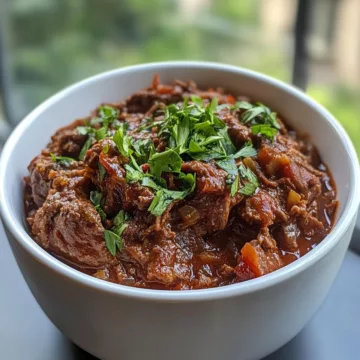
Slow-cooker Beef Ragu
Equipment
- 1 Mixing bowl Large
Ingredients
Main ingredients
- 1.2 kg Beef chuck
- 1 Red or brown onion diced
- 1 Carrot diced
- 2 stalks Celery diced
- 3 cloves Garlic grated
- ¼ cup Tomato paste
- ½ cup Red wine or balsamic vinegar
- 700 g Passata
- 1 teaspoon Beef stock powder or cube
- 1 tablespoon Sugar
- 2 tablespoons Olive oil for browning beef
- 1 tablespoon Olive oil for sautéing veggies
- Salt to taste
- Freshly ground black pepper to taste
- 2 Bay leaves optional
- 1 teaspoon Dried thyme optional
- Fresh lasagne sheets or pasta for serving
- Parmesan cheese grated, for serving
Instructions
Instructions
- Season the beef chuck all over with salt and freshly cracked black pepper. This is the flavor base to start with.
- Heat 2 tablespoons of olive oil in a big skillet on medium-high heat. When it’s good and hot, brown the beef on all sides. This seals in juices and builds flavor. Then transfer the beef to your pressure cooker insert.
- Add the last tablespoon of olive oil to the skillet. Toss in the diced onion, carrot, and celery, cooking them down about 5 minutes until soft and smelling sweet.
- Stir in the grated garlic and keep cooking for just a minute so it doesn’t burn.
- Mix in the tomato paste and cook it for 2 more minutes, stirring often so it thickens and blends.
- Deglaze the pan with your red wine or balsamic vinegar. Scrape up all the browned bits stuck to the bottom cause that’s pure flavor liquid gold. Pour this all over the beef in the pressure cooker.
- Seal the lid, make sure your sealing ring is in place, and lock it down. Set to cook on high pressure for about 50 minutes. When done, you can do a natural release or wait 10 minutes then quick release carefully.
- Open the lid, pull the beef out and shred it with two forks right in the cooker insert. Stir the beef back into the sauce, check seasoning and add salt or pepper if you wanna.
- Serve it over fresh pasta sheets with a drizzle of olive oil and a handful of grated parmesan on top. You’re gonna love the way those flavors layer and melt in your mouth.