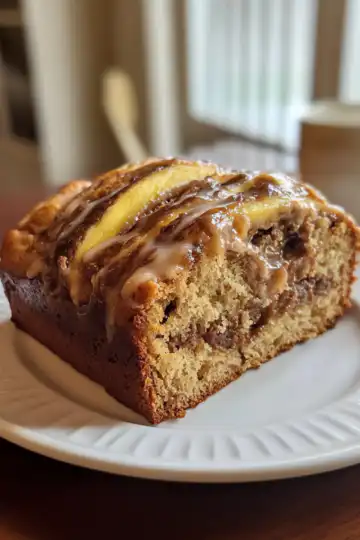
Sourdough bread is a bread people been making for ages cause its got a sour kick, chewy middle and super crunchy crust. Instead of store jam quick-rise yeast, sourdough uses a starter made of flour and water that catches wild yeasts and bacteria. This slow trick not only makes it taste way better but maybe healthier too, so a lot of home bakers and small shops loves it.
Sourdough is really old – like thousands of years old. Ancient Egyptians figured out that wild yeast in flour could make dough rise, and even gold-rush miners in America carried a bit of starter in their pans. Today, sourdough still feels like a link to old traditions and shows how people cared about their food long ago.
What makes sourdough stand out from other loaves isnt just the tangy flavor but how its made. Wild yeast and bacteria slowly ferment the dough, making carbon dioxide that makes it puff up and giving it that signature sour taste. More folks these days want real, tasty, and maybe healthier options, so sourdough is back in kitchens everywhere, inviting people to try the art of fermentation and the fun of baking bread.

The Science Behind Sourdough
Sourdough isnt just good to eat its also part science and part art. If you wanna bake it right you gotta know what happens when the dough ferments.
1. Fermentation Process
Fermentation is the main part of sourdough. Wild yeast and lactic acid bacteria work slowley in the dough, letting it rise over time. Unlike regular breads that use store-bought yeast for a quick rise, sourdough gets its flavor and texture from a longer process.
A sourdough starter is what makes this possible. You mix flour and water in a jar and you let wild yeast and bacteria from the air grow there. This little community produces carbon dioxide to puff up the dough and lactic acid for that sour taste.
2. Health Benefits
Besides tasting great, sourdough has some health perks too. The long fermentation can break down gluten and phytic acid, so your body can absorb more nutrients. That means it might be easier on your stomach than normal bread.
Also sourdough often has a lower glycemic index, so it wont spike your blood sugar as much. And because of the bacteria in the starter you get a few probiotics, which can help your gut.

Sourdough Starter
A sourdough starter is the heart of sourdough baking. It’s what makes the dough rise and gives the loaf its taste. Here’s what it is and how you can make one at home.
1. What is a Sourdough Starter?
A sourdough starter is just flour and water that’s been left out for wild yeast and bacteria to grow. Over days it forms a mix that can leaven bread and give it that special tang. A strong starter is key to getting a good rise and flavor.
2. How to Make Your Own Sourdough Starter
Making your starter takes a bit of time but it’s fun to watch it bubble up. Here’s a simple way:
- Ingredients Required:
- 1 cup flour (all-purpose or whole wheat)
- ½ cup lukewarm water
- Extra flour and water for feedings
Directions:
- Day 1: Put 1 cup of flour and ½ cup of water in a clean jar. Stir till smooth, cover loosely and leave at room temp for 24 hrs.
- Day 2: You might see small bubbles. Throw away half the mix and add 1 cup flour + ½ cup water. Stir, cover, rest 24 hrs.
- Days 3-7: Keep feeding every day: discard half, add same amounts of flour & water. Bubbles and a mild sour smell should get stronger. When it doubles in 4-6 hrs after feeding, it’s ready.
Common Mistakes and Troubleshooting:
- If it smells awful or shows mold, start over with a clean jar.
- Use filtered or distilled water—chlorine in tap water can slow down the yeast.
- If it doesn’t rise, feed it more often or put it in a warmer spot.
Essential Tools for Baking Sourdough Bread
Having the right tools makes a big difference when youre baking sourdough. Here’s what you’ll need:
- Mixing Bowl: A big bowl to hold all the dough as it grows.
- Kitchen Scale: Measuring by weight is more accurate than cups.
- Bench Scraper: Great for lifting and cutting sticky dough.
- Dutch Oven: A heavy pot that traps steam and gives you that perfect crust.
- Proofing Basket (Banneton): Helps shape the dough and make nice patterns.
- Sharp Knife or Lame: For scoring the dough so it expands properly in the oven.
- Oven Thermometer: Ensures your oven is at the right temp for baking.
With these tools, the whole baking process is smoother and you’ll get better loaves.
Basic Sourdough Bread Recipe
1. Ingredients
For a simple sourdough loaf you need:
- 500 grams bread flour
- 350 grams water (room temp)
- 10 grams salt
- 100 grams active sourdough starter
2. Directions
Follow these steps to bake your bread:
- Mixing: In a big bowl, stir together flour, water and starter until no dry bits. Let it rest 30 minutes (autolyse).
- Add Salt: Sprinkle salt, add a little water and mix it in fully.
- Bulk Fermentation: Cover with damp cloth and leave at room temp for 4-5 hrs. Do stretch & folds every 30 mins for first 2 hrs.
- Shaping: Turn dough onto floured surface. Fold edges into center to shape a round loaf.
- Second Rise: Put loaf in floured banneton or bowl, cover. Let it rise 2-3 hrs or chill overnight for a cold ferment.
- Preheat Oven: 30 mins before baking, heat oven to 450°F (232°C) with your Dutch oven inside.
- Baking: Transfer dough into hot pot, score with a sharp knife, cover and bake 30 mins. Remove lid and bake another 15-20 mins till deep golden.
- Cooling: Let the bread cool on a rack for at least an hour before cutting.
3. Key Tips for Success
Keep these in mind to get great results:
- Watch dough hydration and tweak water amounts if your flour soaks up more.
- Make sure your starter is active and bubbly before mixing.
- Don’t rush fermentation—the flavor comes from time.
- Practice scoring so your loaf expands in a nice way.
Variations of Sourdough Bread
Once you know the basic recipe, try these twists to mix up textures and flavors.
1. Whole Wheat Sourdough Bread
Swap half the bread flour for whole wheat flour for a nuttier loaf and more fiber. You might need to add a bit more water since whole wheat soaks up more liquid.
2. Sourdough with Olive Oil and Herbs
Stir in 2 tablespoons of olive oil with the dough and fold in chopped rosemary, thyme, or your favorite herbs for extra aroma and taste.
3. Sourdough Focaccia
Flatten the dough into an oiled baking tray, let it rise, then drizzle with olive oil, sprinkle salt and herbs. Bake till golden and slightly crisp.
4. Sourdough Pancakes
Use leftover starter to make fluffy pancakes. Mix 1 cup starter with eggs, flour, milk, and a pinch of salt. Fry like normal pancakes for a tasty breakfast.
FAQs
1. What is the difference between sourdough bread and regular bread?
Sourdough uses wild yeast and bacteria for a slow ferment, giving it a tangy taste and chewy texture. Regular bread uses commercial yeast to rise fast.
2. How long does it take to make sourdough bread from start to finish?
Usually between 12 and 24 hours, depending on how long you ferment the starter and dough.
3. Can I use store-bought starter instead of making my own?
Yes you can use a store-bought starter, but learning to keep your own gives you more control over flavor and rise.
4. How do I know when my sourdough bread is done baking?
The crust should be deep golden brown and the loaf will sound hollow if you tap the bottom. You can also check for 200-210°F (93-99°C) inside with a thermometer.
5. What can I do with leftover sourdough starter?
Leftover starter works great for pancakes, waffles, crackers or cookies. Or just feed it to keep it alive for more baking.
Conclusion
Baking sourdough at home is rewarding and connects you to centuries of bread-making tradition. Try the recipes and variations above, share with friends, and enjoy the tasty results of your own sourdough journey!
Additional Resources
If you want to learn more, join online sourdough forums to swap tips, or check out some good sourdough books. Reading about food science can also help you understand why each step matters.

sourdough bread recipes
Equipment
- 1 mixing bowl
- 1 dough scraper
- 1 kitchen scale optional, for measuring ingredients
- 1 banneton or proofing basket
- 1 Dutch oven or baking stone
- 1 plastic wrap or kitchen towel
- 1 cooling rack
Ingredients
- 500 g all-purpose flour
- 350 g water (room temperature)
- 100 g active sourdough starter Ensure your sourdough starter is active and bubbly for the best results.
- 10 g salt
Instructions
- In a mixing bowl, combine 500 g of all-purpose flour and 10 g of salt. Mix well to ensure the salt is evenly distributed.
- In a separate bowl, mix 350 g of water with 100 g of your active sourdough starter until fully combined.
- Gradually add the wet mixture to the dry ingredients, using a dough scraper or wooden spoon to combine until no dry flour remains. You should have a shaggy dough at this point.
- Cover the bowl with plastic wrap or a kitchen towel and let it rest (autolyse) for 30 minutes.
- After resting, perform a series of stretches and folds in the bowl every 30 minutes for the next 3 hours.
- Once the stretching and folding is complete, let the dough rise at room temperature until it has doubled in size; this could take 4 to 6 hours.
- Carefully transfer the dough to a lightly floured surface and shape it into a round loaf.
- Place the shaped dough into a well-floured banneton, seam side up. Cover it with a towel and allow it to proof for about 1-2 hours.
- Preheat your oven to 450°F (232°C) with a Dutch oven inside for at least 30 minutes.
- When ready to bake, carefully invert the dough onto a piece of parchment paper. Score the top with a sharp knife or blade.
- Use the parchment to lift the dough into the hot Dutch oven. Cover it with the lid and bake for 30 minutes.
- Remove the lid and bake for another 10 minutes or until the bread is golden brown and has a crusty finish.
- Remove the bread from the oven and let it cool on a wire rack for at least 1 hour before slicing.