
Snack time just got way better with beef jerky. This chewy, salty treat has been around since people needed a way to save meat for long trips or cold winters. Back then it was a lifesaver, and now it’s a favorite for lots of folks. Whether you’re rushing out the door, training for sports, or just want something high in protein, jerky fits the bill.
One big plus about beef jerky is it packs a ton of protein and almost no fat. You get energy fast and feel full sooner, without sneaking in extra calories you don’t need. Lately more people want to make jerky at home so they know exactly whats in it and can tweak the taste to their own liking.
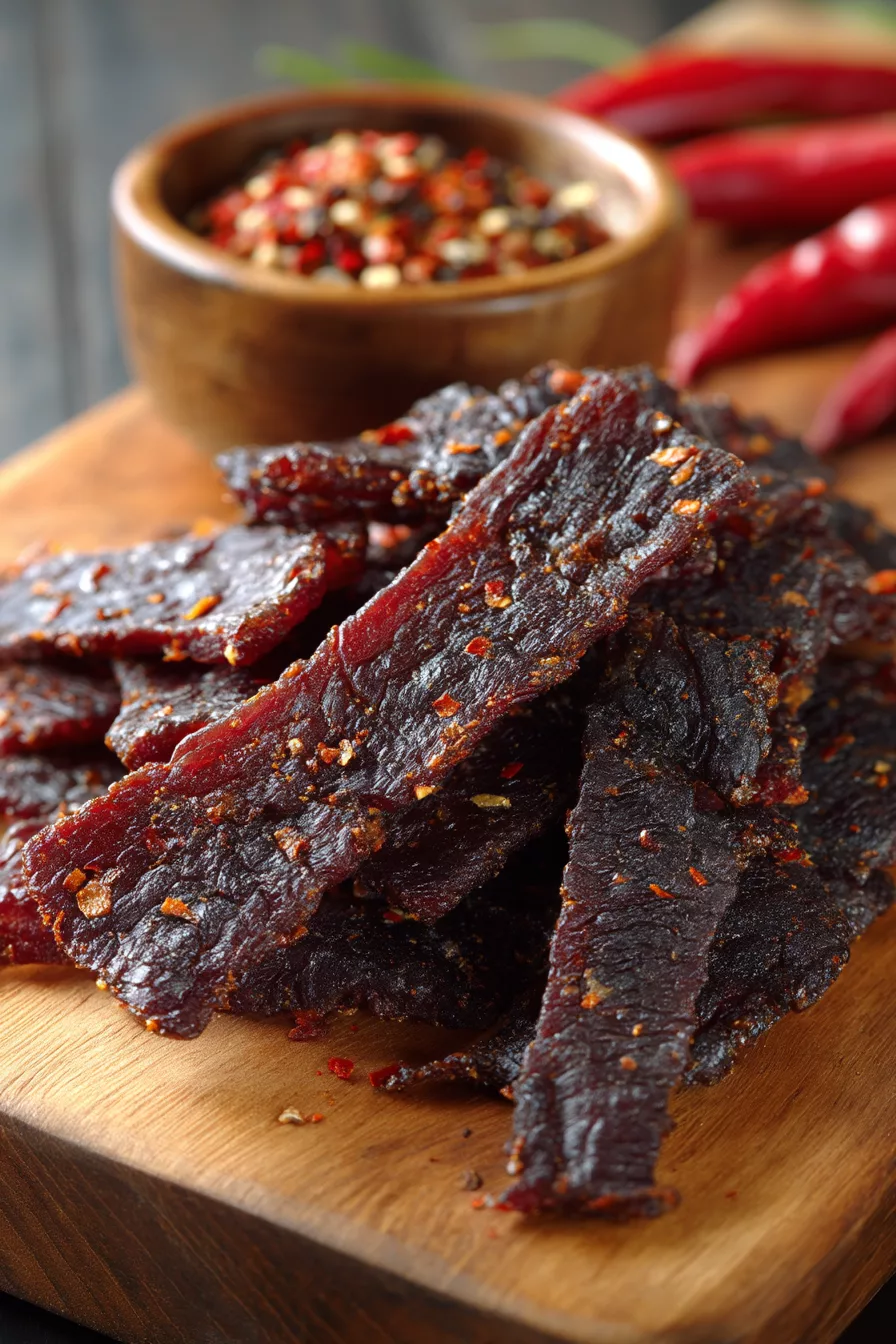
Section 1: Understanding Beef Jerky
Beef jerky is just thin strips of good quality meat that’s seasoned and dried until all the moisture’s gone. This drying stops bacteria from growing and makes the flavor way stronger. You can air-dry it, smoke it, or use a food dehydrator or even your oven.
People first started drying meat thousands of years ago so it wouldn’t spoil on long journeys. Over time each culture added their own spices and ways of doing it, which is why now jerky is loved pretty much everywhere.
Making jerky yourself means no weird chemicals or added preservatives hiding in the bag. You save money too, and you can try out crazy flavors—sweet, hot, smoky, you name it.
There’s lots of types to choose from. Teriyaki jerky is sweet and savory, spicy jerky has a kick, and original lets you taste the real beef flavor. Big brands make all these, but homemade is often fresher and cheaper.
Section 2: Key Ingredients for Beef Jerky
Picking the right cut of meat is super important. Flank steak, sirloin and brisket are top picks because they’re lean but still juicy. Look for fresh meat with good marbling, and buy from a butcher or store you trust.
Next comes the marinade. A basic mix uses soy sauce, Worcestershire sauce, and spices like black pepper, garlic powder, and onion powder. If you like heat, toss in cayenne pepper or red pepper flakes.
Adding a sweetener like honey or brown sugar not only tastes great but also helps keep the jerky safe longer. For that smoky vibe you can stir in liquid smoke or use smoked salt.
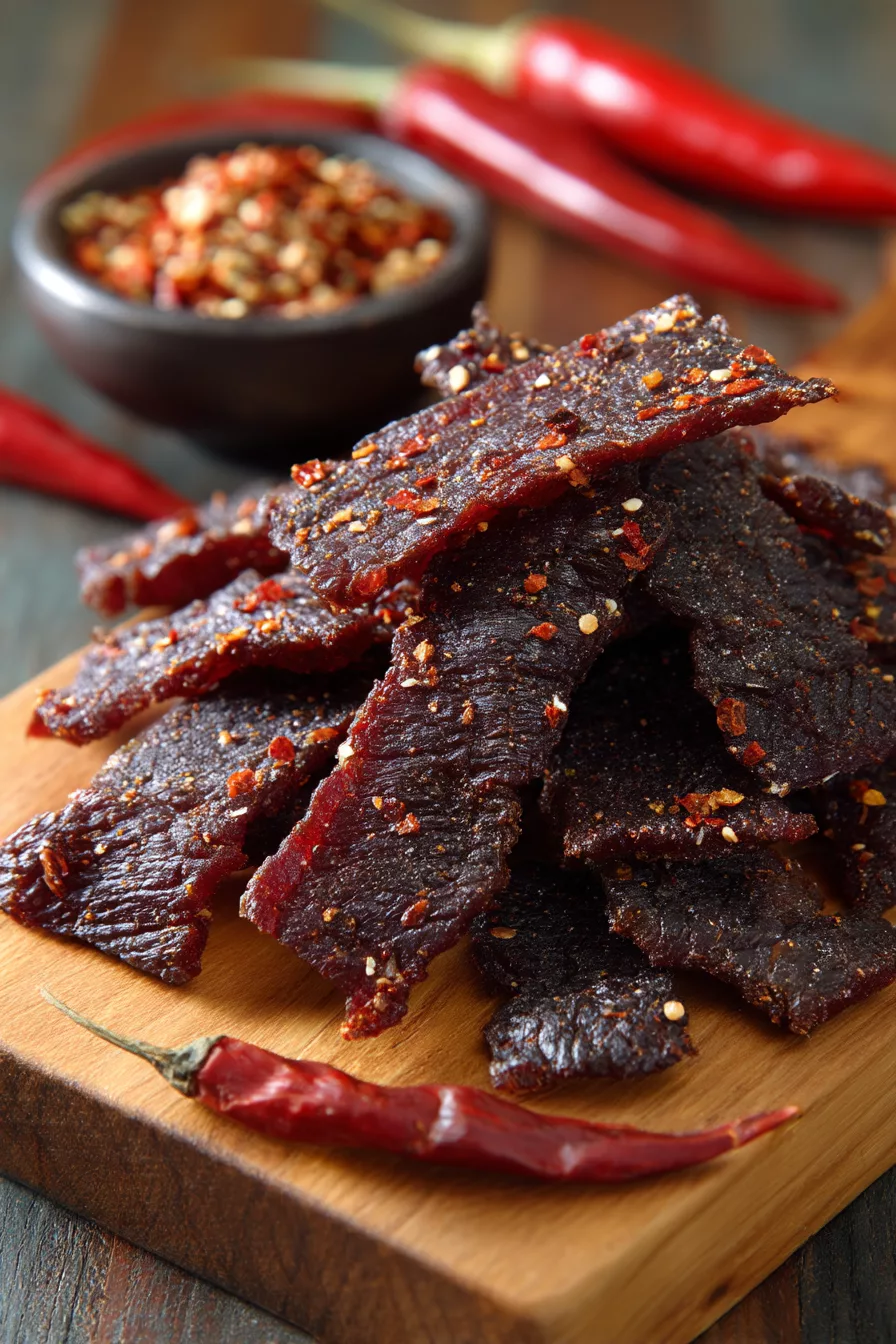
Section 3: Beef Jerky Recipe
3.1 Ingredients List
- Beef: 2 pounds flank steak, sirloin or brisket
- Marinade:
- ½ cup soy sauce
- ¼ cup Worcestershire sauce
- 1 tablespoon black pepper
- 1 teaspoon garlic powder
- 1 teaspoon onion powder
- Optional: 1 teaspoon cayenne pepper for heat
- Sweetener:
- 2 tablespoon honey or brown sugar
- Optional:
- 1 teaspoon liquid smoke or smoked salt
3.2 Equipment Needed
- Food dehydrator or oven
- Baking sheets if you use oven
- Zip-top bags or shallow dish for marinating
- Knife for slicing meat
- Optional: meat thermometer, salt & pepper mill
3.3 Directions
3.3.1 Preparing the Meat
Chill the beef in the freezer for about an hour so it’s easier to slice. Then cut against the grain into strips about ¼ inch thick. Cutting against the grain keeps it from turning tough.
3.3.2 Marinating the Beef
Mix all marinade stuff in a big zip-top bag or dish. Add the meat strips and squish around until they’re all coated. Seal or cover and stick in the fridge for 4–24 hours so the flavors sink in.
3.3.3 Drying the Jerky
Take the strips out and pat dry with paper towels. That helps get the best texture. If you have a dehydrator, lay them on trays so they don’t touch. Set temp to 160°F and dry for 4–6 hours. They’re done when they’re firm, bendy but not brittle.
If you use an oven, preheat it at 160°F. Put strips on wire racks over baking sheets and bake 4–6 hours. Check every now and then and make sure the inside hits 160°F so it’s safe.
3.4 Storage Tips
Keep your jerky in an airtight bag or container. At room temperature it’ll last 1–2 months, in the fridge 6 months, and even longer in the freezer. Always sniff and check before you eat, looking for mold or weird smells.
Section 4: Alternative Methods and Variations
4.1 Alternative Flavor Profiles
- Mexican style: Add lime juice, cumin and chili powder for a tangy twist.
- Asian style: Use sesame oil, fresh ginger and red pepper flakes for extra umami.
4.2 Substitutions for Dietary Needs
- Gluten-free: Swap soy sauce for gluten-free tamari.
- Low-sodium: Pick low-sodium soy sauce and cut back on added salt.
- Vegetarian: Try mushrooms or eggplant instead of beef.
4.3 Using Different Meats
- Turkey: Lean, lighter flavor.
- Pork: Choose tenderloin for a slightly sweeter taste.
Section 5: FAQs
5.1 How long does homemade beef jerky last?
At room temp it lasts about 1–2 months, up to 6 months in the fridge, longer if frozen.
5.2 Can I make beef jerky without a dehydrator?
Yes, just use your oven’s lowest setting and follow the same drying steps.
5.3 What is the best way to store beef jerky?
Keep it in an airtight container or resealable bag. Fridge or freezer is best for a longer life.
5.4 Is it possible to make jerky in the oven?
Absolutely. Preheat to 160°F, use wire racks so air can flow, then bake for 4–6 hours.
5.5 How do I know when the jerky is done?
It should be firm, slightly bendy, not too brittle or moist. And make sure the inside hits 160°F.
Conclusion
Making jerky at home is fun, cheaper, and you control all the flavors. It’s perfect for road trips, hikes, or just snacking after school. Mix up spices, try new methods and enjoy the tasty payoff!
Additional Resources
If you want to get better at jerky making, check out books like "The Jerky Bible" or browse websites about snack recipes. Getting a good food dehydrator can really up your jerky game too.
beef jerky recipe
Equipment
- 1 dehydrator or oven
- 1 cutting board
- 1 mixing bowl
- 1 set measuring cups and spoons
- 1 zip-top plastic bag or airtight container
- 1 baking sheet (if using an oven)
- 1 wire rack (if using an oven)
Ingredients
- 2 pounds lean beef (top round, flank steak, or sirloin)
- ¼ cup soy sauce
- ¼ cup Worcestershire sauce
- 1 tablespoon brown sugar
- 1 teaspoon garlic powder
- 1 teaspoon onion powder
- 1 teaspoon black pepper
- 1 teaspoon red pepper flakes optional for heat
- 1 teaspoon smoked paprika optional for flavor
Instructions
- Start by slicing the beef into thin strips (about ⅛ to ¼ inch thick). For easier slicing, partially freeze the beef for 1-2 hours before cutting.
- In a mixing bowl, combine the soy sauce, Worcestershire sauce, brown sugar, garlic powder, onion powder, black pepper, and red pepper flakes if using. Mix well to create the marinade.
- Place the beef strips in a zip-top plastic bag and pour the marinade over the meat. Seal the bag and massage the marinade into the beef to ensure every piece is coated. Refrigerate for at least 3 hours, preferably overnight for better flavor.
- If using a dehydrator, arrange the marinated beef strips on the dehydrator trays in a single layer, leaving space between the pieces. Set the dehydrator to 155°F (68°C) and dry for about 4 hours, or until the jerky is dry but still slightly pliable.
- If using an oven, preheat the oven to the lowest setting (usually around 160°F/70°C). Place a wire rack on a baking sheet and lay the beef strips on the rack in a single layer. Prop the oven door open slightly to allow moisture to escape. Bake for 4-6 hours, or until the jerky is dry.
- Once done, let the jerky cool completely before storing it in an airtight container or a zip-top bag.
- Store the jerky in the refrigerator to prolong its shelf life.
- To test for doneness, the jerky should bend and crack, not break.