Cooking my version of the Famous Red Lobster Shrimp Scampi always feels like a little neighborhood adventure. I get set up in my kitchen early, thinking about how heat changes flavors, and my neighbor in the next apartment always peers over the counter. She is obsessed with every detail of heat control. She says if I crank up direct heat the garlic will burn and ruin the balance. So I keep nudging myself to remember her tips about slow simmer and how that helps me coax out the best garlicky garlic taste.
That chat with her got me more dialed in on the steps. I think about Maillard browning on the shrimp surface, that little crust that pops with buttery flavor. I plan for a protein rest after cooking so the juices settle back in. All of these ideas matter to me as I share this down home recipe. Let us dive right in, and I promise it gets messy in the best way.
Heat Meets Flavor in Simple Words
When I talk about cooking heat I just mean how fast or slow I crank the stove knob. Some recipes say medium high or low medium. I find that a slow simmer is the key for sauce, and a quick sear for shrimp makes that nice Maillard browning. The whole point is shaping flavor with heat, not just cooking the shrimp through.

Slow and steady wins the race with garlic and butter. You let the butter warm up gently until melty without scorching. Then you add garlic and let it get soft. At that point you see little flecks of garlic turning light golden. That is caramelization in action creating deep taste notes.
Once shrimp hit the pan you crank heat up to make a quick sear. It only takes a minute or two for the flesh to get opaque and pick up that golden brown edge. Then you pull it off and give it a protein rest. That way the shrimp stay juicy instead of getting rubbery.
Pantry Roll Call for Shrimp Scampi Stars
- Shrimp large peeled and deveined, tails on or off depends on you, I like tails on for drama.
- Butter unsalted gives you control on seasoning.
- Garlic fresh cloves minced fine so it melts into the sauce.
- Dry White Wine a splash for deglazing the pan and adding bright acids.
- Lemon juice and zest for that fresh tang boost.
- Fresh Parsley chopped up for a green garland finish.
- Salt and Pepper to taste, start small you can always add more.
- Crusty Bread cut into slices for dipping up all the buttery sauce.
That is about eight items in the pantry but you could swap wine for broth if you want. I like the wine because it adds a bit of fruitiness. Make sure your garlic is fresh and not sprouted. Old garlic gets bitter under heat.
Getting Your Tools and Ingredients Ready
I set out a big skillet that holds at least a quart of sauce. I want room to spin the shrimp around. Then I grab a tight fitting lid in case I need to trap steam. I keep a small bowl ready for melted butter and another for the lemon juice and zest mix. Having everything lined up feels good and keeps me calm once the heat is on.
Next I pat my shrimp dry on paper towels. That is key so you get a good sear instead of steaming them. I throw a pinch of salt and pepper on each piece then let them rest five to ten minutes. This is protein rest at work, it lets the seasoning sink in before hitting the pan.
While the shrimp rest I chop up parsley and mince garlic. I measure out about half a cup of wine and juice two lemons. If you skip this prep you will scramble once things start popping in the pan. Good mise en place will save you time and stress. It makes the experience almost chill even if your neighbors are peeking over.
Early Aromas in the Kitchen
When the butter first melts you get this soft sweet smell. Then as garlic hits the warm fat you notice a toasted scent. That first waft is so inviting, it means flavor is building. I like to hold my breath for a sec and really breathe it in. It reminds me of Sunday dinners in my childhood.
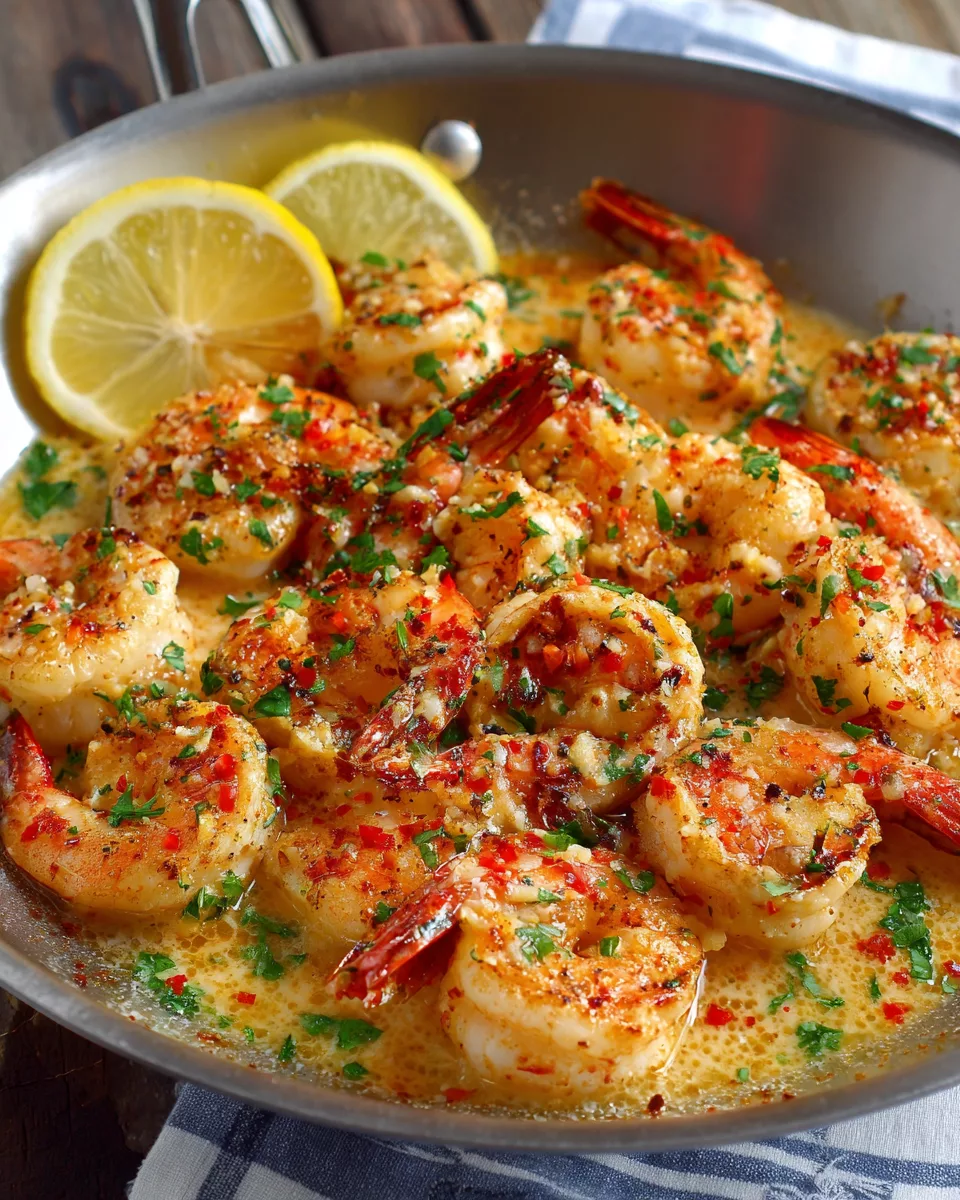
As wine hits the pan you get a quick sizzle and a tangy note. That little hiss is the low and slow release of steam and alcohol. You see tiny bubbles forming along the edges. This is when you know you are on track. The kitchen starts to smell like a fancy bistro in five star movies yet you are right at your home stove.
Mid Cook Check in
Once the garlic has turned a light golden you have to move fast. I always peek under a shrimp to see if it is getting that Maillard browning. If it is still pale I crank up the flame for thirty seconds. If it is too dark I back off and stir around. Timing is everything here.
After you sear the shrimp one side you flip them. They only need another thirty seconds to a minute. You watch for the flesh to go opaque. Bright pink and white means done. Then you scoop them out onto a plate to rest. This way the shrimp will stay plump and juicy when you serve.
Once the shrimp are out you let the sauce go slow simmer. You watch the liquid bubble gently, not roar. This brings out deep caramelization on the edges and lets the sauce reduce and thicken. You swirl the pan to avoid any sticking.
Probing for Perfect Doneness
Some cooks use a probe thermometer. If you have one insert into the thickest part of a shrimp. You want about one hundred twenty five degrees Fahrenheit. But eyeballing works fine too. If the shrimp is firm with a slight bounce it is good.
A tip is to cut one open to double check. Look for no translucent parts. That little white thread that pokes out is a guide too. When the thread is white or pink you know the shrimp is done. Give them that protein rest and juices will redistribute back inside the flesh making it succulent.
Putting it on the Plate with Style
I pile the shrimp on top of a swirl of sauce then sprinkle parsley over everything. A little extra melted butter nested at the bottom looks like a fancy restaurant dish. I tuck lemon slices on the side of the plate. That bright yellow pop just looks inviting.
Sometimes I throw on a crack of black pepper or a dusting of red pepper flakes if I am feeling bold. You could do a fancy zig zag of sauce on a platter or serve family style in the skillet. However you do it let the colors shine. The pink shrimp and green parsley on the golden background make a gorgeous combo.
Saving and Remixing Shrimp Scampi
Leftovers can turn into a quick pasta bowl the next day. You warm the sauce slow and steady so it does not separate. Then you toss in cooked spaghetti or linguine. Stir in the bacon bits or breadcrumbs for texture. It makes a super fast lunch or second dinner.
You can also turn it into a shrimp toast. Slather the bread with cream cheese then pile shrimp on top. Broil until golden and serve as an appetizer. The garlic and butter soak into the bread and become totally addictive.
Make sure to store any sauce and shrimp separately in airtight containers. That way if you reheat shrimp it does not overcook in sauce. Drizzle a bit of extra butter or olive oil when you warm it up to keep things glossy and slick.
Final Thoughts and Quick Answers
That was my take on Famous Red Lobster Shrimp Scampi brought home to your kitchen with everyday tools and no fuss. Heat techniques like Maillard browning and slow simmer make a huge difference in flavor depth. Remember protein rest so juices go back in the shrimp. Caramelization on garlic and sauce gives you that deep nutty aroma.
Now here are some quick questions I always get from neighbors and pals.
Q What if my sauce is too thin
A Let it reduce low and slow, swirl it gently. A minute or two will thicken it up.
Q Can I use frozen shrimp
A Yes but thaw completely and pat dry. Frozen shrimp release more water so sear may not be as crisp.
Q How do I avoid rubbery shrimp
A Do not overcook. Watch for opaque flesh and remove promptly. Let them rest.
Q What can I use instead of wine
A A light broth or even water with a squeeze of lemon works. You lose some fruitiness but still get deglazing effect.
I hope these tips help you nail this recipe. Every time I cook it I still learn a little more about heat and flavor. Now go give it a whirl and see how you shape taste with your stove settings.
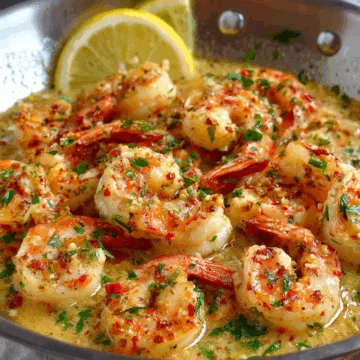
Famous Red Lobster Shrimp Scampi
Equipment
- 1 Large skillet
- 1 Pot for boiling pasta
- 1 Colander
- 1 Measuring cups and spoons
- 1 Wooden spoon or spatula
- 1 Pasta server or tongs
Ingredients
- 1 pound large shrimp, peeled and deveined
- 8 ounces linguine or spaghetti
- 4 tablespoons unsalted butter
- 2 tablespoons olive oil
- 4 cloves garlic, minced
- ½ cup dry white wine
- 1 teaspoon crushed red pepper flakes (optional)
- 1 unit juice of 1 lemon
- 1 unit zest of 1 lemon
- to taste unit salt
- to garnish unit fresh parsley, chopped for garnish
Instructions
- Begin by cooking the pasta according to the package instructions until al dente. Drain and set aside.
- In a large skillet, heat the olive oil and 2 tablespoons of butter over medium heat.
- Once the butter has melted, add the minced garlic and crushed red pepper flakes (if using). Sauté for about 1-2 minutes until fragrant, but be careful not to burn the garlic.
- Add the shrimp to the skillet in a single layer. Cook for 2-3 minutes on each side until they turn pink and are cooked through. Remove the shrimp from the skillet and set aside.
- In the same skillet, pour in the white wine and lemon juice. Bring to a simmer, scraping up any brown bits from the bottom of the pan. Let it cook for about 2-3 minutes to reduce slightly.
- Lower the heat, and add the remaining 2 tablespoons of butter, stirring until melted and well combined with the sauce.
- Return the cooked shrimp to the skillet, toss to coat in the sauce, and add the lemon zest and salt to taste.
- Serve the shrimp scampi over the cooked pasta, garnishing with chopped parsley for a burst of freshness.