I’m that neighbor who can’t stop talking about heat and how it changes every bite of food. When I first spotted a recipe for Gingerbread Snowball Cookies I felt a spark inside. I knew that the way heat works with the dough would decide how soft or crisp those little snowballs would be. Remember that moment you first saw sugar turn brown in a pan? Think back as you stir in molasses and spices here. For more seasonal treats, check out fall baking recipes.
I keep nudging you to recall the time you watched caramelization turn a simple onion sweet and golden. Now we’ll chase the same kind of change in these cookies. When you slide your tray into the oven notice how steam and heat dance inside. Reflect on how that rising warmth coaxes Maillard browning at the edges while the center stays pillowy soft. This is a recipe that shows you how low and slow or a quick burst of heat can shape every crumb.
Heat Science In Plain Words
Heat is not just hot air it is the secret behind flavor. When baking Gingerbread Snowball Cookies heat triggers caramelization of sugars as well as Maillard browning of proteins. Both reactions add deep toffee and toasty notes. If the oven is too cool you miss that golden edge. If it is too hot the cookie can burn before it sets.
There is also a bit of protein rest here. After mixing you let the dough chill to firm up the fats and let the gluten relax. That little break helps the final bake hold shape and stay tender inside. You might even try a slow simmer on the stove of a spiced cider while the dough chills. That same patient low and slow approach brings out deeper aromas that fill your kitchen before the bake even starts.
Gather These Simple Staples
- All purpose flour to give structure and light chew.
- Soft brown sugar for moistness and that rich caramel flavor.
- Molasses to boost the gingerbread spice notes and dark color.
- Ground ginger to bring warmth and a bit of bite.
- Ground cinnamon for that classic spicy sweetness.
- Baking powder to help the cookies puff just enough.
- Unsalted butter at room temperature for even creaming.
- Powdered sugar to roll each cookie in and create the snowball effect.
Each of these items is key. If you swap brown sugar for granulated you lose that deep amber color you crave. Use fresh ginger powder or your cookies may taste flat. I sometimes sloppily mismeasure but trust me these basics will save you every time. Keep that molasses fresh and give it a sniff before you add it. Looking for other cozy treats like banana bread recipes?
Getting Ready To Bake Warm Joy
First off preheat your oven while you mix. A steady hot box at around 350°F is what you want. If your oven is cooler the cookies will spread too much. If it is hotter they could crisp too fast and crack in odd ways. I like to stick a little thermometer inside to check.
Next line a baking sheet with parchment paper or a well greased tray. This stops sticking and helps even browning. Then set up your mixing bowl. Cream butter and soft brown sugar together. Scrape the sides often. Add your spices and molasses then stir in flour and baking powder. Finally scoop dough into balls and place on your sheet. Remember that bit of protein rest happens when you let the shaped dough chill for fifteen minutes in the fridge. It keeps them round.
Smells That Fill The Kitchen
As the cookies bake you get a wave of ginger and cinnamon scented steam. That is the moment when caramelization and Maillard browning start their duet. Take a breath and let your kitchen feel like a holiday market stall.
When you open the door a surge of warmth will hit your face. You might catch a hint of clove if you added any. That sweet aroma tells you the flavors are deepening. It is like a gentle nudge from the oven, calling you back to the cookie tray.
Midway Moments To Look For
About eight minutes in the edges should go a soft golden brown. If they look pale let them bake a minute or two more. If they look too dark pull the tray out and lower the heat by ten degrees for the next batch. Ovens vary so much it pays to check.

Use a flat spatula to peek under one cookie. The bottom should have a light tan shade not dark brown. That shows Maillard browning has started well. The center will still look undercooked but it firms up as the cookies cool. This is why a precise bake time helps.
Testing Texture And Taste
When you pull a cookie off the tray let it rest on the hot pan for a minute. Then transfer it to a rack. That small protein rest phase lets the moisture redistribute. If you try to sample too soon it may fall apart or taste gummy.
After cooling for five minutes press gently on the top. It should give a little then spring back. That is the sign the inside is perfectly tender. If it feels rock hard you left them in too long. If it is so soft it sticks you need a minute more in that warm oven.
Serving Up Festive Snowballs
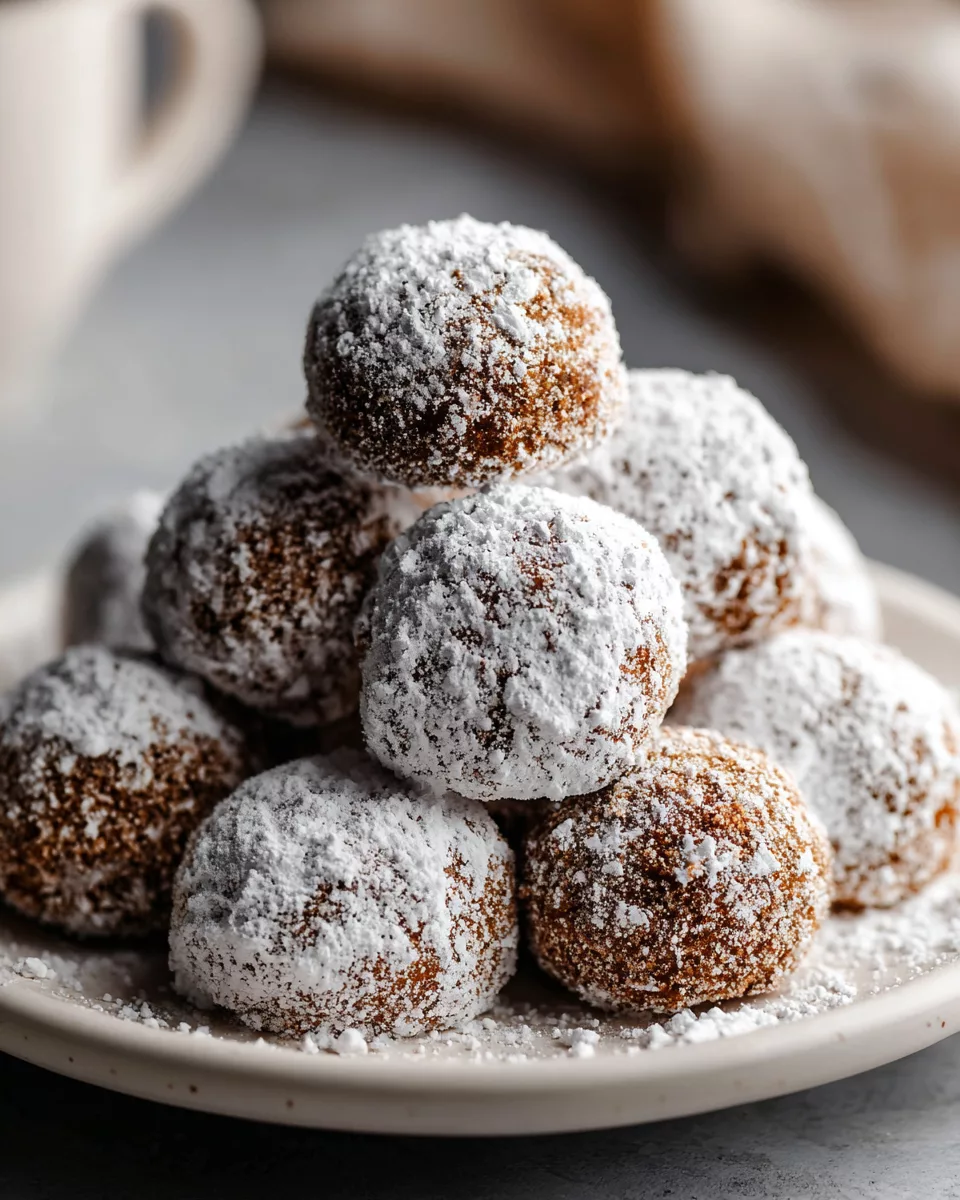
Once cooled dust each cookie with powdered sugar until they look like little snow drifts. That coating hides tiny cracks and adds a burst of sweetness on first bite. Arrange them on a plate lined with a doily or some wax paper.
You can add a sprig of fresh mint or evergreen for extra color. Or stack them in a neat pyramid tied with twine if you have guests coming. Either way these cookies always look like the coziest gift.
Saving And Reusing Those Cookies
If you have leftovers store them in an airtight container at room temperature. They stay fresh for up to four days that way. For longer keep them in the freezer inside a rigid box. You might also explore no-bake desserts.
You can even toss broken bits into ice cream for a crunchy sweet swirl. Or crumble them over yoghurt with fresh fruit. The spices still shine through when you repurpose them. I often mix chunks into muffin recipes or oatmeal for extra warmth on a cold morning.
Wrap Up And Answer Quick Questions
These Gingerbread Snowball Cookies show how simple heat control and a bit of patience yield best results. By using low and slow chilling phases plus a steady oven you get tender centers and toasty edges. That Maillard browning and caramelization puts real depth in every bite. For more cookie inspiration, check out crumble cookies.
- Can I use margarine Butter gives the best flavor and texture. Margarine has more water so you might get a less tender cookie.
- Why did my cookies spread too much Probably the dough was too warm or your oven was not hot enough. Next time chill the balls longer and preheat fully.
- Can I skip the powdered sugar coating You can but it is what makes them look like snowballs and gives the extra sweet pop. You could roll them in coconut flakes instead for a twist.
- Is it okay to add other spices Sure you can try a pinch of nutmeg or cardamom. Just go easy so you do not overpower the ginger and cinnamon.
- How do I know they are done Look for light tan edges and a soft spring back in the middle when you press gently. The centers firm as they cool.
Now you are all set to nail these cookies with the power of heat science. Enjoy the process as much as the taste and keep experimenting with small tweaks. Those are the secrets to truly irresistible Gingerbread Snowball Cookies.

Gingerbread Snowball Cookies
Equipment
- 1 mixing bowl
- 1 baking sheet
- 1 parchment paper
- 1 electric mixer optional
- 1 cookie scoop or spoon
- 1 wire rack
Ingredients
- 1 cup unsalted butter, softened
- ½ cup granulated sugar
- ¼ cup packed brown sugar
- 2 ¼ cups all-purpose flour
- 1 teaspoon baking powder
- 1 teaspoon ground ginger
- ½ teaspoon ground cinnamon
- ¼ teaspoon ground nutmeg
- ¼ teaspoon ground cloves
- ¼ teaspoon salt
- ½ cup powdered sugar, for rolling
Instructions
- Preheat your oven to 350°F (175°C). Line a baking sheet with parchment paper.
- In a mixing bowl, cream together the softened butter, granulated sugar, and brown sugar until light and fluffy.
- In a separate bowl, whisk together the flour, baking powder, ginger, cinnamon, nutmeg, cloves, and salt.
- Gradually add the dry ingredients into the butter mixture, mixing until just combined.
- Use a cookie scoop or a spoon to form small balls of dough, approximately 1 inch in diameter, and place them on the prepared baking sheet, spacing them about 2 inches apart.
- Bake for 12 to 15 minutes, or until the bottoms are lightly golden. Remove from the oven and allow to cool for a few minutes on the baking sheet before transferring to a wire rack.
- Once the cookies are cool enough to handle, roll them in powdered sugar until fully coated. Let them cool completely on the wire rack.