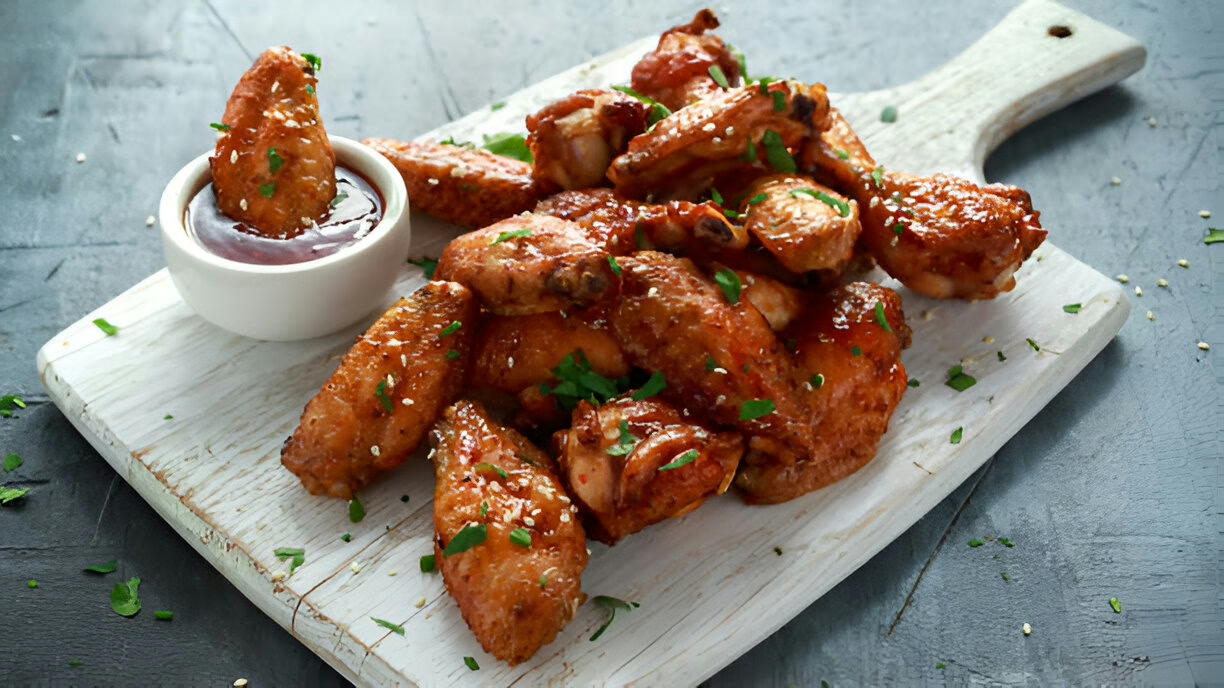
Grilled chicken wings are a beloved culinary delight, known for their crispy texture and mouthwatering flavors. Whether enjoyed at a backyard barbecue, a sports gathering, or as a snack, these savory bites have secured their place as a favorite across various cultures. Their versatility allows for a multitude of flavors and preparations, making grilled wings an appealing option for any occasion.
Originating as a simple bar snack, chicken wings have transcended their humble beginnings to become a staple in cuisines worldwide. From the classic Buffalo wings of the United States to Asian-inspired recipes featuring sweet chili and teriyaki sauces, the appeal of grilled chicken wings knows no bounds. Their global popularity reflects the adaptability of this dish, allowing different regions to put their unique twist on a beloved favorite.
While restaurant offerings can be tempting, there is something incredibly satisfying about making chicken wings at home. Homemade wings allow for control over ingredients, flavors, and cooking methods, ensuring a personalized experience tailored to individual preferences. By selecting quality chicken and experimenting with marinades and grilling techniques, home cooks can elevate this classic dish to new heights, creating a delicious and memorable culinary experience right in their own kitchens.
The History of Chicken Wings
The story of chicken wings began in Buffalo, New York, in the 1960s. Combined with hot sauce and served with celery and blue cheese, Buffalo wings were a simple bar snack that quickly became a cultural phenomenon. The combination of crispy skin and spicy sauce appealed to many, turning these humble cuts of chicken into an irresistible dish that sparked a nationwide craze.
Origin of Chicken Wings
The origin of chicken wings is often attributed to Teressa Bellissimo, who, along with her husband Frank, owned the Anchor Bar in Buffalo. Legend has it that one evening in 1964, she concocted a late-night snack for her son and his friends by deep-frying leftover wings and tossing them in a spicy sauce. What started as an unpretentious dish grew to become a centerpiece of American cuisine, particularly during sporting events and gatherings.
Evolution of the Dish
What began as pub fare gradually evolved into a gourmet item, as chefs around the U.S. started to experiment with various flavor profiles and cooking techniques. Today, it is not uncommon to find chicken wings on the menus of upscale restaurants, often featuring unique sauces or intricate preparations. This evolution reflects the adaptability of the dish and its ability to cater to diverse palates.
Chicken Wings Around the World
Beyond the borders of the United States, chicken wings have inspired culinary creativity worldwide. In Asian cuisine, you can find wings tossed in sweet chili sauce or glazed with teriyaki, offering a delightful contrast of flavors. Meanwhile, countries in the Caribbean have embraced jerk seasoning, infusing wings with their signature spices. This global appeal showcases the versatility of chicken wings, as different cultures infuse their own unique ingredients and traditions into this beloved dish.
Choosing the Right Chicken Wings
When preparing to make grilled chicken wings, understanding the various types of wings and how to source quality ingredients is crucial for achieving the best results. The right chicken wings can make all the difference, enhancing both flavor and texture.
Types of Chicken Wings
Chicken wings are typically categorized into three types: whole wings, wingettes, and drumettes. Whole wings include the entire wing with all its parts, while wingettes refer to the middle section, and drumettes are the meatier part resembling a small drumstick. Each type has its unique characteristics and can be chosen based on individual preferences or cooking methods.
Sourcing Quality Wings
When it comes to sourcing chicken wings, the quality of the meat can affect the overall flavor and texture. It is highly recommended to opt for farm-raised chickens, which usually have better flavor and less water content compared to conventional options. Checking for reputable suppliers, whether at local markets or grocery stores, can lead to a superior grilling experience that highlights the rich taste of the wings.
Grilling Techniques for Chicken Wings
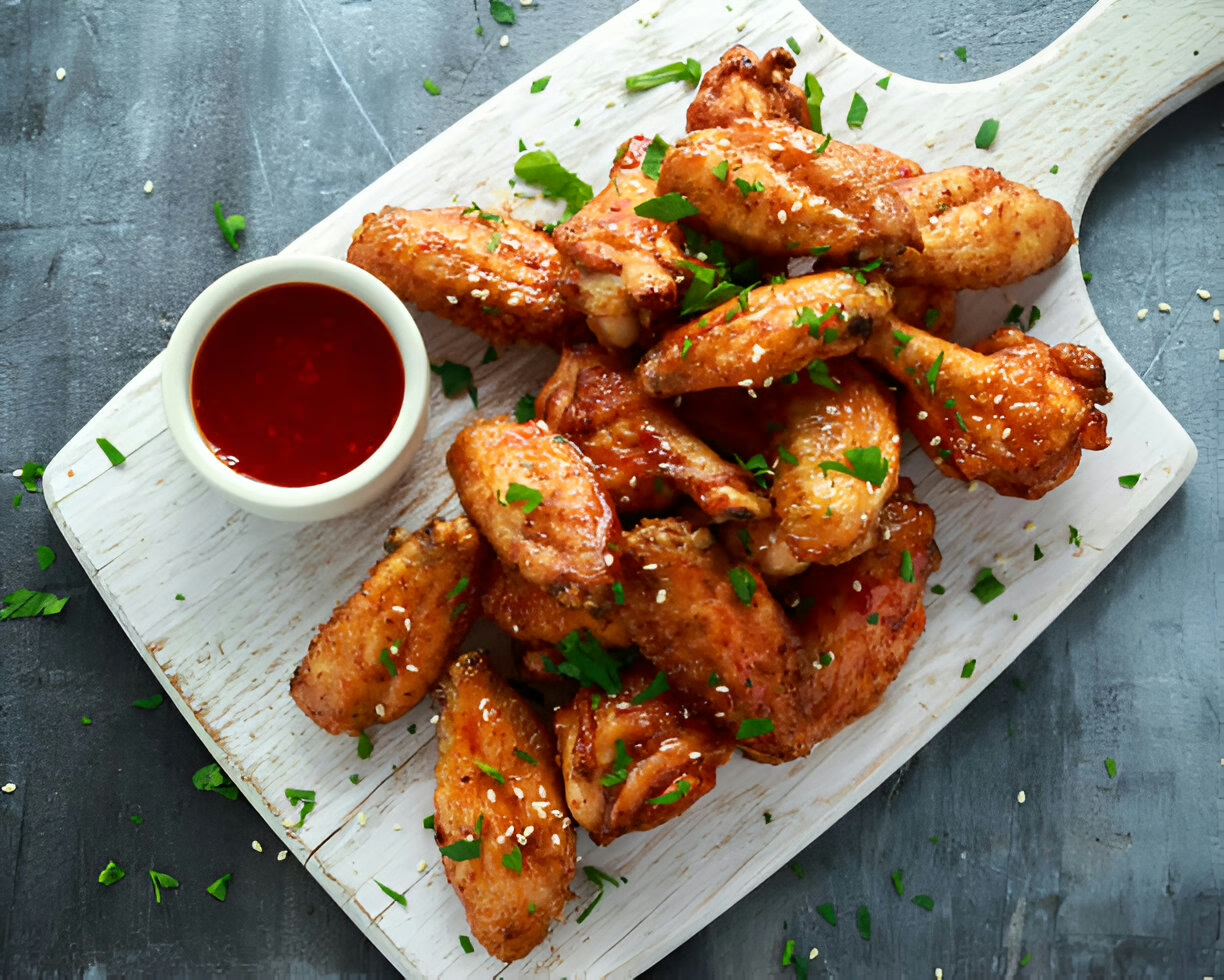
Grilling chicken wings is an art that involves selecting the right grill, preparing the wings, and mastering cooking techniques. With the right approach, you can achieve perfectly grilled wings that are both crispy and flavorful.
Prepping the Grill
Before you begin grilling, it’s essential to prepare your grill adequately. Whether using a charcoal, gas, or electric grill, each has its unique benefits:
- Charcoal Grills: Offer a rich, smoky flavor, ideal for those who enjoy traditional grilling.
- Gas Grills: Provide convenience and control over the cooking temperature, making them a popular choice among many home cooks.
- Electric Grills: Great for indoor grilling, especially when outdoor options are limited, allowing for consistent cooking.
Regardless of the type, pre-heating the grill is crucial to achieving that desirable crispiness. Aim for a temperature of around 400°F (200°C) before placing the wings on the grill.
Marinades and Rubs
Enhancing the flavor of chicken wings can be accomplished through marinades and dry rubs:
- Popular Marinade Ideas: Soy sauce, garlic, and honey combined create a sweet and savory glaze, while a spicy blend of vinegar, cayenne, and brown sugar provides a kick.
- Dry Rub vs. Wet Marinade: A dry rub combines spices and seasonings, while a wet marinade infuses moisture and flavor. Both techniques can be effective, depending on the desired result.
Cooking Techniques
There are two primary grilling techniques for chicken wings: direct grilling and indirect grilling:
- Direct Grilling: Place the wings directly over the heat source, allowing them to cook quickly while achieving a crispy exterior.
- Indirect Grilling: Place the wings away from direct heat. This method allows for thorough cooking without burning, perfect for larger batches.
To achieve the perfect crispiness, flip the wings occasionally and monitor their progress. The optimal internal temperature for cooked chicken wings is 165°F (74°C).
Detailed Recipe for Grilled Chicken Wings
Ingredients
- 2 pounds of chicken wings
- ¼ cup of soy sauce
- 2 tablespoons of olive oil
- 2 cloves of garlic, minced
- 1 tablespoon of honey
- 1 teaspoon of black pepper
- 1 teaspoon of paprika
- Salt to taste
Directions
- In a large bowl, combine the soy sauce, olive oil, garlic, honey, black pepper, paprika, and salt.
- Add the chicken wings to the marinade and toss to coat evenly. Cover and refrigerate for at least 1 hour, or preferably overnight for maximum flavor.
- Preheat the grill to medium-high heat (about 400°F or 200°C).
- Remove wings from marinade, allowing excess liquid to drip off, and discard the used marinade.
- Place the wings on the grill, cooking for approximately 20-25 minutes, flipping every 5-7 minutes until the internal temperature reaches 165°F (74°C).
Serving Suggestions
Serve the grilled chicken wings with your favorite dipping sauces, such as ranch or blue cheese dressing, and accompany them with fresh vegetables or crispy fries for a complete meal.
Tips for Perfect Wings
- For optimal flavor, marinate wings for at least 1 hour or overnight.
- Keep an eye on grilling times, adjusting based on wing size and grill temperature.
- Let the wings rest for a few minutes after grilling to enhance juiciness before serving.
Popular Sauces and Glazes for Chicken Wings
Classic Buffalo Sauce
No discussion of chicken wings is complete without the iconic Buffalo sauce. To make classic Buffalo sauce:
- Combine ½ cup of hot sauce, ½ cup of unsalted butter, and a dash of garlic powder in a small saucepan over low heat.
- Stir until well blended and heated through before tossing with cooked wings.
BBQ Sauce Variants
Various BBQ sauces can elevate chicken wings, from tangy vinegar-based sauces to sweet and smoky varieties. Experiment with different regional styles to find your favorite.
Asian-inspired Sauces
To cater to diverse taste buds, Asian sauces like teriyaki and sweet chili offer unique flavors:
- Teriyaki Sauce: Mix soy sauce, ginger, garlic, and honey for a delicious glaze.
- Sweet Chili Sauce: Toss wings in this sweet and spicy sauce for an irresistible combination.
Healthier Alternatives
For those looking for lighter options, consider using yogurt-based sauces or vinaigrettes instead of traditional butter-based sauces. Yogurt can create a creamy texture with fewer calories and added probiotics.
Common Mistakes to Avoid
Overcooking
One of the most common mistakes is overcooking the wings, leading to dry and rubbery meat. Keep a close watch on the internal temperature. Using a meat thermometer can help ensure optimal doneness.
Ignoring Marinades
Marinating wings can significantly enhance their flavor. Neglecting this step can lead to bland wings. Make sure to allow adequate marinating time for the best results.
Grilling at the Wrong Temperature
Cooking wings over too high or too low heat can lead to uneven cooking. Aim for a medium-high temperature for crispy skin and juicy interior. Adjust as necessary based on grilling conditions.
Nutritional Value of Grilled Chicken Wings
Calorie Count and Macros
Grilled chicken wings can be a good source of protein; however, they can also be higher in calories depending on the cooking method and sauces used. A serving of wings (about 4-5) without sauce generally contains approximately 300-400 calories, 20-30 grams of protein, and varying levels of fat and carbohydrates.
Healthier Cooking Options
For those looking to reduce calories, consider alternative cooking methods. Baking or air-frying wings can create a similar texture to grilling without adding extra fat. Additionally, opting for skinless wings can further lower calorie and fat content.
FAQs About Grilled Chicken Wings
How long should I grill chicken wings?
Chicken wings typically take about 20-25 minutes on a medium-high grill, flipping occasionally until they reach the desired internal temperature of 165°F (74°C).
Can I marinate chicken wings overnight?
Yes, marinating chicken wings overnight is highly recommended. This allows the flavors to penetrate deeply, enhancing the overall taste.
What temperature should chicken wings be cooked to?
Chicken wings should be cooked to an internal temperature of 165°F (74°C) to ensure they are safe to eat and tender.
How do I know when chicken wings are done?
Using a meat thermometer is the most reliable method. Additionally, the wings should be golden brown and have crispy skin when properly cooked.
Conclusion
Grilled chicken wings are an impressive dish that can be customized to suit all palates. With the right techniques, marinades, and sauces, you can create a delightful experience that rivals that of your favorite restaurant. Embrace your creativity in the kitchen and enjoy the process of grilling at home!
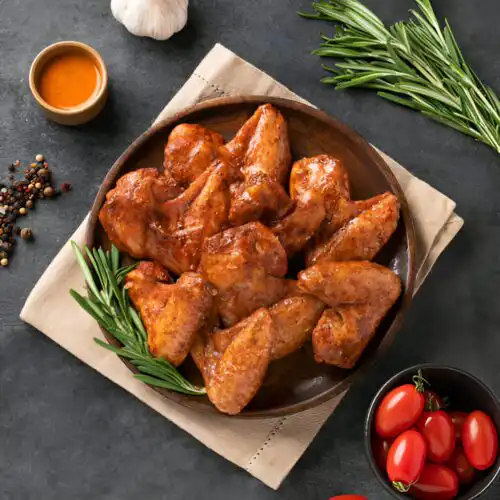
grilled chicken wings
Equipment
- 1 Grill gas or charcoal
- 1 Large mixing bowl
- 1 Measuring cups and spoons
- 1 Basting brush
- 1 Tongs
- 1 Cooking thermometer optional
Ingredients
- 2 pounds chicken wings
- 2 tablespoons olive oil
- 1 teaspoon garlic powder
- 1 teaspoon onion powder
- 1 teaspoon paprika
- 1 teaspoon salt
- ½ teaspoon black pepper
- ½ teaspoon cayenne pepper optional for spice
- ½ cup barbecue sauce optional
Instructions
- Preheat your grill to medium-high heat (about 375°F to 400°F).
- In a large mixing bowl, combine olive oil, garlic powder, onion powder, paprika, salt, black pepper, and cayenne pepper (if using).
- Add the chicken wings to the bowl and toss until they are evenly coated with the seasoning mixture.
- Allow the wings to marinate for at least 10 minutes (or up to 2 hours in the refrigerator for more flavor).
- Once the grill is preheated, place the wings on the grill in a single layer.
- Grill the wings for about 20 minutes, turning them every 5 minutes to ensure even cooking and a crispy exterior.
- If using barbecue sauce, brush it onto the wings during the last 5 minutes of grilling to glaze them.
- Check the internal temperature of the wings to ensure they reach at least 165°F for safe consumption.
- Once cooked, remove the wings from the grill, and let them rest for a few minutes.
- Serve hot with your favorite dipping sauce, if desired.