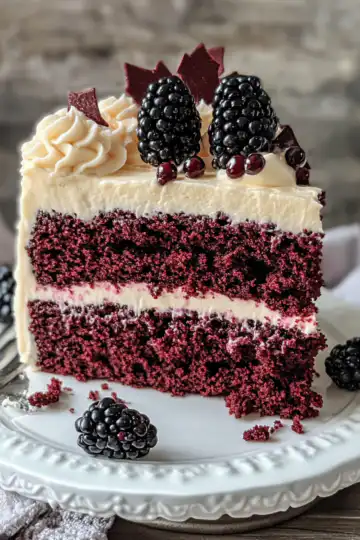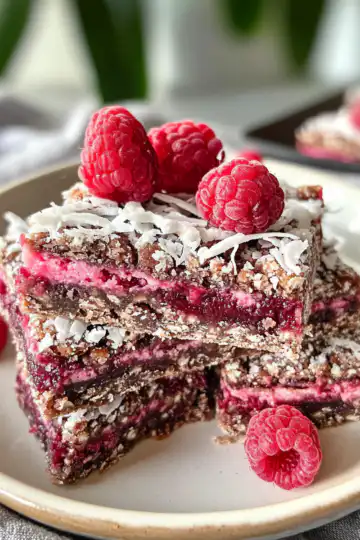
When I first tasted a slice of Lemon Cake Supreme I knew I had stumbled on something special. The cake was moist enough to make me pause mid bite and the lemon zing woke up every taste bud in my mouth. I wanted to crack into why it hit so different. You know how cooking can feel part science part heart, well this cake shows off what heat can do when you let it shine.
I kept thinking about how the oven heat transforms a mix of flour eggs sugar and lemon into a cloud like wonder. It got me curious about Maillard browning and even a bit of caramelization along the edges. I had to try this recipe at home. So I rolled up my sleeves and got into the kitchen with my neighbor who can talk all day about slow simmer and low and slow cooking. Together we broke down every step and learned why letting your batter rest is key, like a protein rest moment for the eggs to settle in.
Why Heat Shapes Your Lemon Cake Supreme
Heat is not just a number on your oven dial, it is a tool you can learn to control. When I crank up the temp just right I see the top set and get that faint golden tint from some mild caramelization. That little browning goes a long way to building flavor.

On the flip side if you bake too fast the center can stay gummy. It is a dance between time and temp. I learned that low and slow bakes help keep moisture locked in. You do not need fancy gear just patience and a trusty oven setting.
Your Baking Cupboard Sidekick List
- All purpose flour two cups sifted for that light crumb
- Baking powder two teaspoons to help things rise easy
- Fine granulated sugar one and a half cups for sweetness balance
- Large eggs four room temp for a smooth batter
- Fresh lemons zest of two and juice of one for pure zing
- Unsalted butter half a cup melted then cooled just right
- Whole milk half a cup for a tender crumb
- Vanilla extract one teaspoon for a cozy flavor note
Every item here is easy to find and super important. Do not skip sifting your flour it gives you a lighter cake feel.
If you grab cold eggs or straight melted butter it might affect how your batter mixes together. Taking a minute for a protein rest is more than a phrase, it keeps your batter stable.
Prep Game On Point
First I get all ingredients measured and laid out. That way I do not go rummaging mid mix. It sounds simple but it cuts down on chaos. I even line my pan with parchment and lightly grease with butter and dust with flour. This little step helps me pop that Lemon Cake Supreme out without a hitch.
Next I zest those lemons right over the bowl so none of the precious oils fly away. I like to juice them next and let that liquid hang out while I cream my butter and sugar. Creaming is where slow mixing brings air to the party, so I do it at medium speed till it looks light and fluffy.
That Fresh Aroma Burst
When the batter hits the pan you already smell lemon notes sitting on warm butter vibes. It is like a fresh morning breeze. My neighbor nods and says that is the cue for the final mix before it is in the oven.
Between my kitchen and theirs the aroma zone becomes a sensory alert. You are locked in on the promise of a tart sweet bite. That is one way heat invites you to the table even before the timer dings.

Halfway Flavor Check
I usually peek at the cake around twenty minutes in. Not too often though or the heat escapes. I look for a firm edge that pulls slightly from the pan. The top should spring back if I give it a gentle press. That shows the crumb has set but still has moisture locked inside.
When you see light golden edges that is your friend. Those bits are getting a touch of Maillard browning right there along the rim. This is not about burning it but about boosting flavor with those toasted hints.
Oven Probe Reflections
At around thirty five minutes I grab a toothpick or skewer. If it comes out with a few moist crumbs that is perfect. Too wet and you need more time. Too dry and you might have missed the low and slow trick. I chalk it up as a lesson in how long your oven actually runs compared to its dial.
I also watch how the top feels under my finger. It should push back gently but not stick. That little test helps the final crumb be just right. I note how long it took too, so next bake is even more on point.
Serve with Style
Once your Lemon Cake Supreme is cool enough I loosen the edges with a knife and flip it out. I like slicing it into generous squares or triangles. It looks inviting and keeps the crumb intact. You can dust with powdered sugar or drizzle a light glaze if you want extra shine.
I sometimes add a sprig of mint or a thin lemon slice on top. That pop of green lifts the whole plate and frames the cake. Presentation can feel small but it amps the charm.
Stash and Remix Ideas
Got extras The cake keeps well at room temp wrapped in plastic for a day or two. If you need longer stash it in the fridge but let it come back to room temp before eating. That brings back the full flavor.
You can remix by layering thin slices with whipped cream for a quick trifle. Or pop cubes into yogurt for an extra lemon hit. Even better heat small pieces in a skillet for a hint of caramelization along the edges before topping with ice cream.
Wrap Up and Your Top Questions
Lemon Cake Supreme is more than a recipe it is a lesson in how heat transforms simple ingredients into something unforgettable. We saw how Maillard browning adds depth and how a slow and steady bake keeps it moist. Making time for a protein rest and a gentle sugar butter cream yields a perfect crumb each time.
Here are answers to questions you might have before trying this at home.
- Can I use cake flour instead of all purpose flour Yes you can swap it one for one. Cake flour gives an even finer crumb so your Lemon Cake Supreme might be lighter but just adjust your next bake if you see extra rise and fall.
- What if I want more lemon punch Easy boost the zest of a third lemon but keep the juice amount the same so the batter does not get too wet. That little tweak gives a bigger citrus kick.
- Why did my cake sink in the middle That is usually from opening the oven too early or mixing too hard after adding flour. It can knock out air pockets that help support the cake structure. Next time let it bake undisturbed for the first half of the time.
- Can I freeze leftovers Absolutely wrap slices in foil and freeze for up to a month. Thaw on the counter for a few hours then serve at room temp for best flavor.
- Do I need to let the cake rest after baking Let it cool for at least ten minutes in the pan before you flip it out. That helps avoid cracks and sticks. Protein rest after baking is just as helpful as for the batter.
- Can I swap milk for buttermilk Sure that will add a tangy note and make the crumb more tender. Just thin it with a little water if it is too thick so your batter is pourable.
Now you have everything you need to bake your own Lemon Cake Supreme. Trust the heat respect the processes like caramelization and protein rest, and you will nail it every time.

Lemon Cake Supreme
Equipment
- 1 mixing bowls
- 1 electric mixer or whisk
- 1 measuring cups and spoons
- 1 9-inch round cake pan
- 1 parchment paper
- 1 cooling rack
- 1 small saucepan for glaze
Ingredients
- 1.5 cups all-purpose flour
- 1 cup granulated sugar
- 0.5 cup unsalted butter, softened
- 3 large eggs
- 0.5 cup whole milk
- 2 tablespoons fresh lemon juice
- Zest of 1 lemon
- 2 teaspoons baking powder
- 0.5 teaspoon salt
- 1 teaspoon vanilla extract
- 1 cup powdered sugar
- 2 tablespoons fresh lemon juice (for glaze)
- Zest of 1 lemon (for glaze)
Instructions
- Preheat your oven to 350°F (175°C). Grease and flour a 9-inch round cake pan or line it with parchment paper for easy removal.
- In a mixing bowl, cream together the softened butter and granulated sugar until light and fluffy using an electric mixer or whisk.
- Add the eggs one at a time, beating well after each addition. Mix in the lemon juice, lemon zest, and vanilla extract until combined.
- In another bowl, sift together the all-purpose flour, baking powder, and salt.
- Gradually add the dry ingredients to the wet ingredients, alternating with the milk. Start and end with the flour mixture, mixing just until combined. Do not overmix.
- Pour the batter into the prepared cake pan and smooth the top with a spatula.
- Bake in the preheated oven for 25 to 30 minutes, or until a toothpick inserted into the center of the cake comes out clean. Let the cake cool in the pan for 10 minutes, then transfer to a cooling rack to cool completely.
- For the lemon glaze, combine the powdered sugar, lemon juice, and lemon zest in a small saucepan over low heat. Stir until smooth and slightly warmed.
- Drizzle the glaze over the cooled cake, allowing it to drip down the sides. Let it set for a few minutes before serving.