I was poking my head around the corner when the sweet and savory scent hit me full on. My neighbor was at it again cooking up a storm in her tiny kitchen. She flipped ground beef in a cast iron pan with a confidence I wish I had. I kept asking myself how she tamed that heat to coax out such a deep flavor. Every so often I nudged her memory, asking her to recall how she learned to work a pan at just the right temperature so that Maillard browning and caramelization turned simple beef and cabbage into something unforgettable.
We both know that heat shapes flavor in ways you cannot fake with spices alone. I remember her explaining how a slow simmer can bring out every note in a sauce. Then when she seared the beef over high flame it created a crust that held in the juiciest bits. As she stirred in cabbage she let it soften just so, knowing that a good protein rest and a final low and slow finish would tie it all together. I let her keep cooking while I scribbled notes in my head, eager to remember and share every little trick she used for this Low Carb Mongolian Ground Beef and Cabbage dish.
Why Temperature Turns Cabbage and Beef into Flavor
Heat is more than just a way to cook food, it is the hidden partner in flavor creation. When ground beef hits a hot pan it undergoes Maillard browning that gives a deep roast note. That crust is more than texture, it is a flavor bomb that you only get when you give meat the right level of heat and leave it alone for a bit. If you stir too soon you lose that crisp edge.
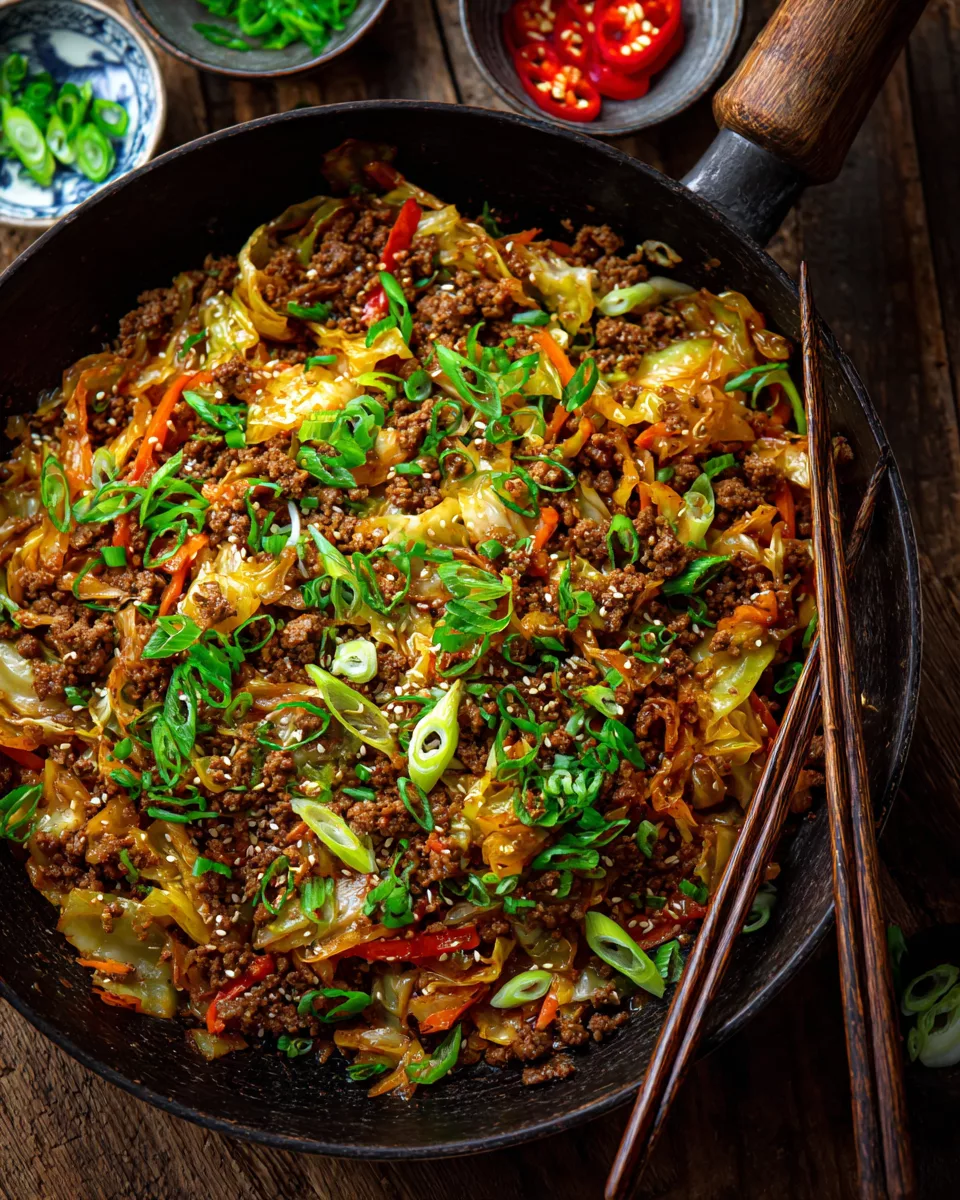
On the flip side when cabbage meets that oil and beef drippings the veggies get a chance to caramelize lightly. That browned sweetness balances the salty soy mix we will add later. Then when you choose a low and slow simmer at the end you marry those flavors to a sauce that clings to every bite. Remember too that a brief protein rest off the burner helps the juices redistribute. It all comes down to how you treat heat from start to finish.
Gather Your Flavor Team
Before you dive in make sure you have the main players ready. This helps you cook in stages without rushing and losing that perfect Maillard crust or collapsing the delicate cabbage too soon. Here is what you need on deck.
- Ground Beef A lean blend works best so you dont get a greasy pan.
- Green Cabbage Shredded thin so it softens quickly without getting mushy.
- Soy Sauce Look for a low sodium version to control the salt level.
- Sesame Oil A little goes a long way for that nutty note.
- Garlic Cloves Peeled and minced, the soul of any good stir fry.
- Fresh Ginger Grated fine to give a bright kick under the rich beef.
- Green Onions Sliced on an angle for color and a mild sharpness.
- Red Pepper Flakes Optional, if you want a gentle heat that builds.
With these lined up you cut down on pause time. That way your pan stays hot, giving you consistent caramelization and flavors that pop.
Preheat Your Space for Success
Every great stir fry starts with a screaming hot pan. If you skip this step you risk a crowded pan that steams instead of sizzles. I asked my neighbor to set her burner to medium high and let her skillet sit empty for a full two minutes. You want to almost see the oil tremble before you add beef.
Next she measured out the sauces and aromatics and placed them in small bowls at the edge of the stove. That mise en place trick means you will never hunt for garlic while the beef is already in the pan. And while the beef is getting that golden sear you can slide your cabbage in without dropping the heat. Keep everything close so you can maneuver with speed and confidence.
That Sizzle Smell That Floors You
When the beef first hits the surface you get this crackle that tells you the heat is on point. It is a small sound but it carries a promise that flavor will follow. The pan almost guides the beef into little pockets where it chars and crisps.
After a couple minutes she nudged me to lean in so I could really catch that aroma. It was nutty, meaty, with a hint of sweetness from any stray sugars on the meat. I swear I could taste right then how a slow simmer sauce would dance with those flavors when it joined the pan.
Halfway Taste and Tweak
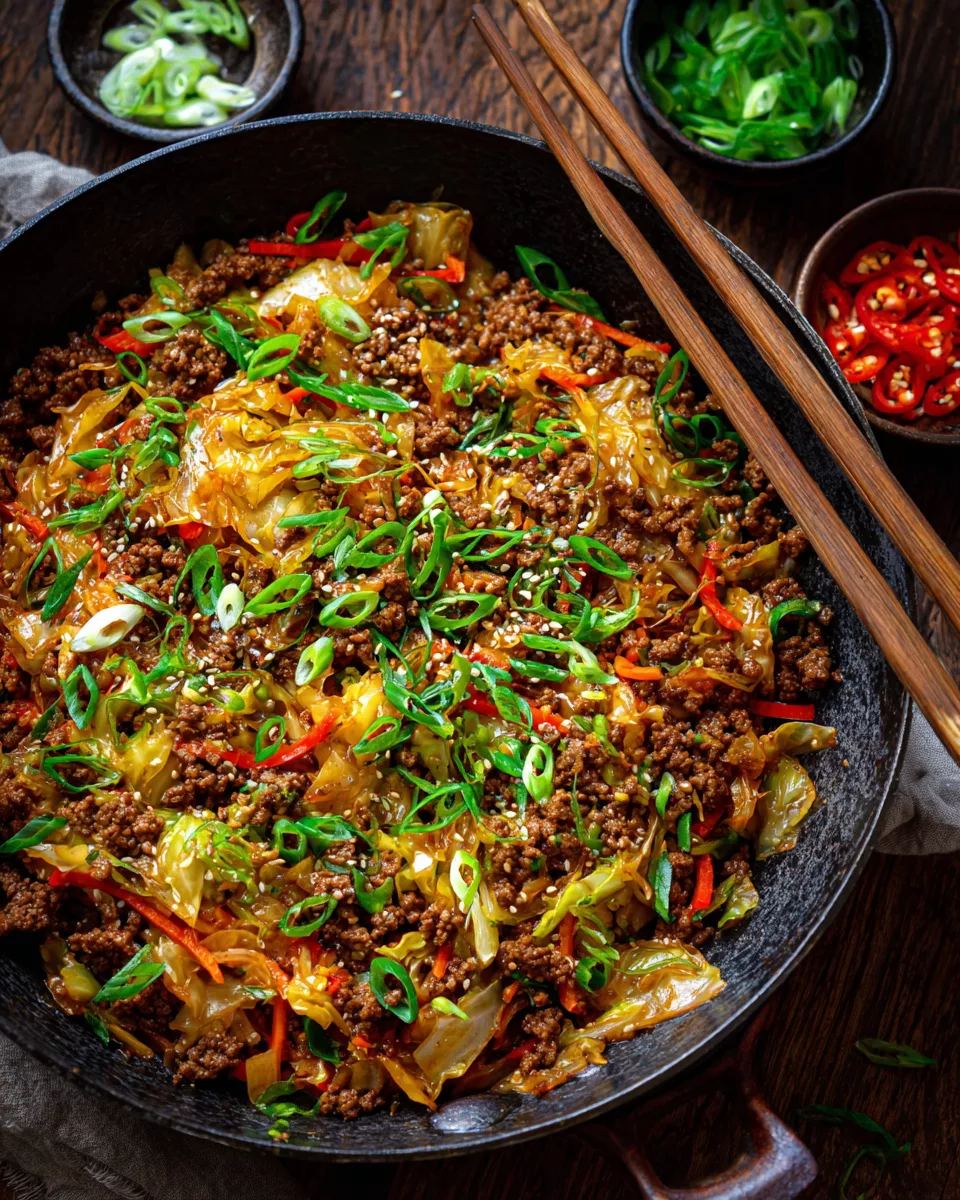
Once the cabbage has wilted just enough and the beef is mostly cooked you have a perfect moment to taste. My neighbor scooped out a small bit onto a spoon and said taste it. I remember pausing to think about salt and texture. It was salty but not over the top, tender but still with a little bite from the cabbage.
Then she added the soy and sesame mix and let everything bubble together for another minute. She asked me if it needed more kick or more sweetness. That is the essence of a mid cook checkpoint. You freeze the action, taste and decide if you want a hint more red pepper flakes or just an extra drop of sesame oil before you finish.
Checking Doneness Like a Pro
A probe or a quick visual check is all you need to know when to pull the pan off the heat. If you press a bit of beef with a spatula it should give a little resistance but not feel raw. When cabbage still has a slight crunch you know you nailed that al dente stage.
I asked my neighbor why she did not just cook it until it was limp. She laughed and said she wanted that contrast between tender meat and fresh veggie snap. That contrast is what makes each bite so exciting. You dont want overcooked cabbage that just melts into the sauce. You want each piece to stand out.
Dress It Up and Serve It Hot
Once you pull the skillet from the heat give it a quick stir to relax those juices. Then portion it onto plates or into bowls right away. If you wait the steam will keep cooking it and you lose that crispness.
Top it off with a sprinkle of green onion and maybe a few sesame seeds. I once saw her add a drizzle of extra sesame oil right at the end for that fragrant finish. It is a small detail but it makes you look like a pro. Serve it while your pan is still warm so the dish feels alive on the table.
Stash and Reheat with a Twist
Got leftovers The great thing about Low Carb Mongolian Ground Beef and Cabbage is it holds up well in the fridge. Cool it quickly then store in an airtight container. It will last three or four days.
When you reheat dont just zap it in the microwave. Bring it back to life over medium heat in a skillet. Add a splash of water or a few drops of extra sesame oil to freshen it. That gentle low and slow heat will reawaken Maillard notes that may have dulled overnight. You could even toss in some fresh bean sprouts or herbs for a crunchy finish.
Parting Thoughts and Quick Q As
Cooking Low Carb Mongolian Ground Beef and Cabbage taught me how much control you really have when you pay attention to heat. From the initial sear to that low simmer at the end you guide the flavors with every turn of the pan. Dont rush it let the pan do its work.
Q What if I only have a nonstick pan? You can still get good browning if you heat it well. Just watch that it doesnt stick too much. A cast iron is ideal but not mandatory.
Q Can I swap brown sugar for something low carb? Yes use a small amount of erythritol or monk fruit sweetener.
Q How lean should my beef be? Aim for an 85 or 90 percent lean grind. That gives enough fat for flavor without drowning the cabbage.
Q Do I have to rest the beef? A quick rest off the heat for a minute helps redistribute juices. But its not a long break like a roast.
Q Is this spicy? You decide. Start with a pinch of red pepper flakes and taste mid cook. You can always add more if you want that burn sensation.
Next time you fire up the stove remember to listen to the sizzle and taste at each key moment. Heat is your best friend when you cook low and slow as well as hot and fast. Keep experimenting and enjoy every bite.

Low-carb Mongolian Ground Beef And Cabbage
Equipment
- 1 large skillet or frying pan
- 1 cooking spoon or spatula
- 1 chopping board
- 1 knife
- 1 measuring cups and spoons
Ingredients
- 1 pound ground beef
- 4 cups chopped green cabbage
- 1 medium onion, diced
- 3 cloves garlic, minced
- 1 tablespoon fresh ginger, minced
- ¼ cup soy sauce or tamari for gluten-free
- 1 tablespoon sesame oil
- 1 tablespoon olive oil
- 1 tablespoon rice vinegar
- 1 teaspoon red pepper flakes adjust to taste
- salt and pepper to taste
- 2 green onions sliced for garnish
Instructions
- Heat the olive oil in a large skillet over medium heat.
- Add the diced onion and sauté for about 3-4 minutes, until the onions are translucent.
- Add the minced garlic and ginger, stir, and cook for an additional 1-2 minutes, being careful not to burn the garlic.
- Increase the heat to medium-high and add the ground beef to the skillet. Cook until browned, breaking it apart as it cooks, approximately 5-7 minutes.
- Once the beef is cooked through, drain any excess fat if necessary.
- Add the chopped cabbage to the skillet along with the soy sauce, sesame oil, rice vinegar, and red pepper flakes. Stir everything together well.
- Cook for another 5-7 minutes, or until the cabbage is tender but still crisp. Season with salt and pepper to taste.
- Remove from heat and garnish with sliced green onions before serving.