I am that home cook who peers in the oven window every few minutes because heat is the secret behind that sweet caramelization that makes molasses cookies melt in your mouth. I stand by my counter with a wooden spoon and a trusty thermometer knowing low and slow heat can turn brown sugar and molasses into golden edges. You might think it is just sugar but I swear it is more than that. It is full of Maillard browning and that gives a toasty richness that hits different.
My neighbor across the street keeps asking me how I get them so soft yet crisp on the outside. I always say it is about the temperature curve inside that hot box we call an oven. I let the dough rest so the flour and liquid feel cozy together. That simple protein rest step gives the dough structure that bakes up into a chewy chew.
In this rambling kitchen journal I will nudge you to pause and note how heat changes flavor. We will crack open science secrets like slow simmer on the stovetop for syrup if you want extra drizzle. Stick around to taste and smell every stage. Let us make the best molasses cookies you have ever tried.
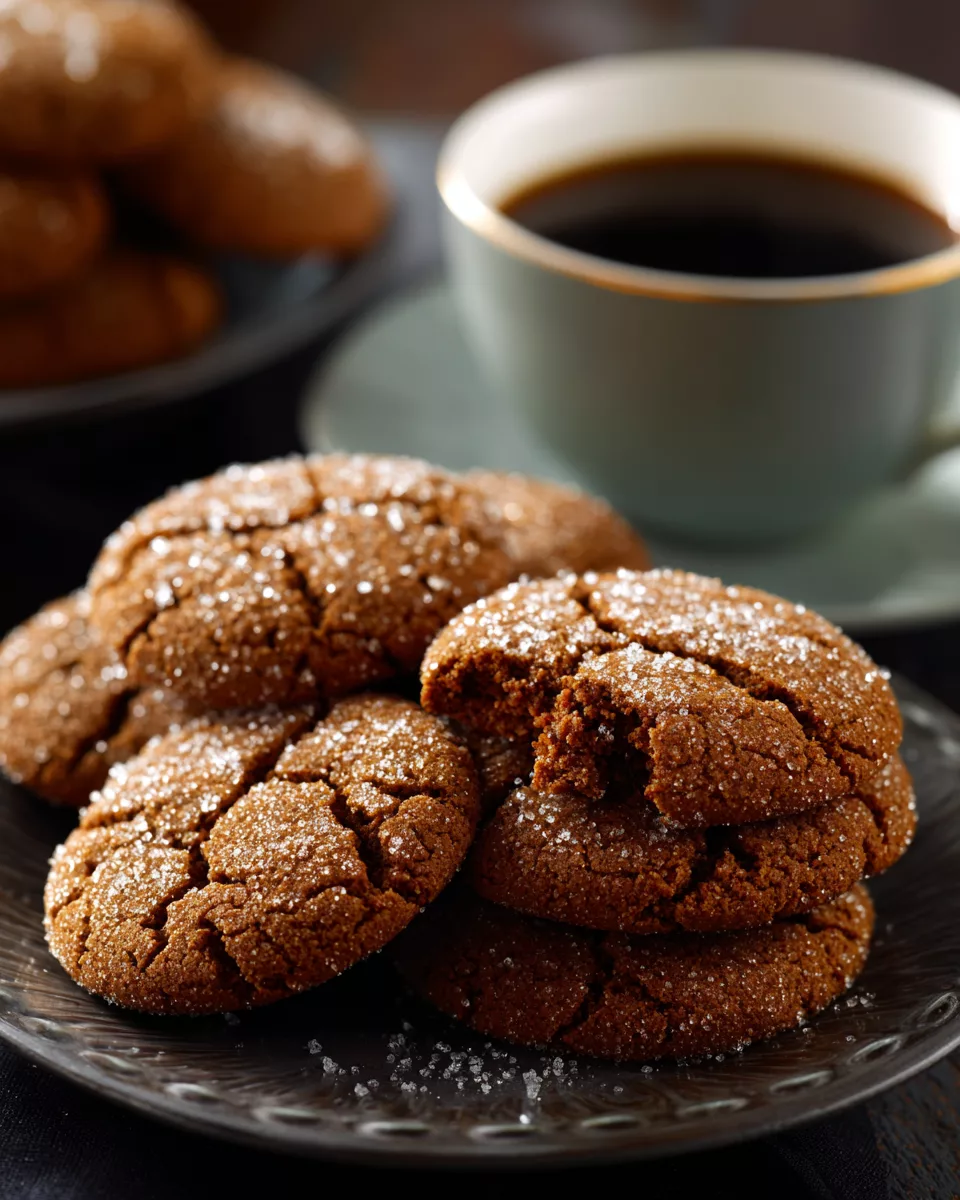
Heat Science Behind Chewy Molasses Cookies
I get obsessed with how temperature shapes every crumb in a cookie. When I preheat my oven I am really thinking about that sweet spot where the sugar starts to melt just enough to boost caramelization. You can watch the edges bubble before the center sets. That is where low and slow meets a quick finish.
Let me explain Maillard browning in plain words. It is that browning reaction between amino acids and sugars at higher heat. It gives those toasty notes when your cookies hit around 300 degrees F. Meanwhile the inside stays soft as proteins rest and trap steam. A slow simmer of a molasses glaze on the side can highlight that contrast even more.
Pantry Lineup for Sticky Sweet Treats
- All Purpose Flour 2 cups measured and sifted for tender crumb
- Baking Soda 1 teaspoon to lift and spread the dough just right
- Ground Ginger 1 teaspoon to spark a warm bite in each cookie
- Cinnamon 1 teaspoon for cozy spice and extra flavor depth
- Sugar 1 cup light brown sugar packed for that deep molasses vibe
- Molasses 1 third cup for the signature sticky sweet note
- Butter 1 half cup softened to room temp so the dough blends easy
- Egg 1 large at room temp to bind and add moisture
My pantry crew looks plain but when heat dances through them you get so much more. Remember that sugar and molasses will hit Maillard browning faster than plain white sugar alone. The spice team is there to back up that sweet caramelization with a punch.
Setting Up Your Baking Station
First I line my baking sheet with parchment because that stops sticking without oil. It is a small trick but it makes lifting cookies off the tray easy once they come out of the heat. While the oven heats I whisk dry ingredients in a bowl so no lumps hang around.
Next I cream butter and sugar in a separate bowl until fluffy. That fold in stage traps air pockets which help the cookies puff before they settle. I slip in the egg and molasses then beat until the mixture looks glossed over. You want it combined but not beaten into oblivion.
Finally I add dry to wet in batches, folding low and slow. This is that protein rest prep I mentioned earlier. Let the dough chill in the fridge for at least half an hour. That quiet chill time gives the flour a chance to hydrate and stops the cookies from spreading too thin.
The Aroma That Pulls You In
Once those trays slide into the oven a cozy smell floods the kitchen. You smell that ginger and cinnamon blooming in warm air. It reminds me of chilly mornings where a hot mug of cider waits.
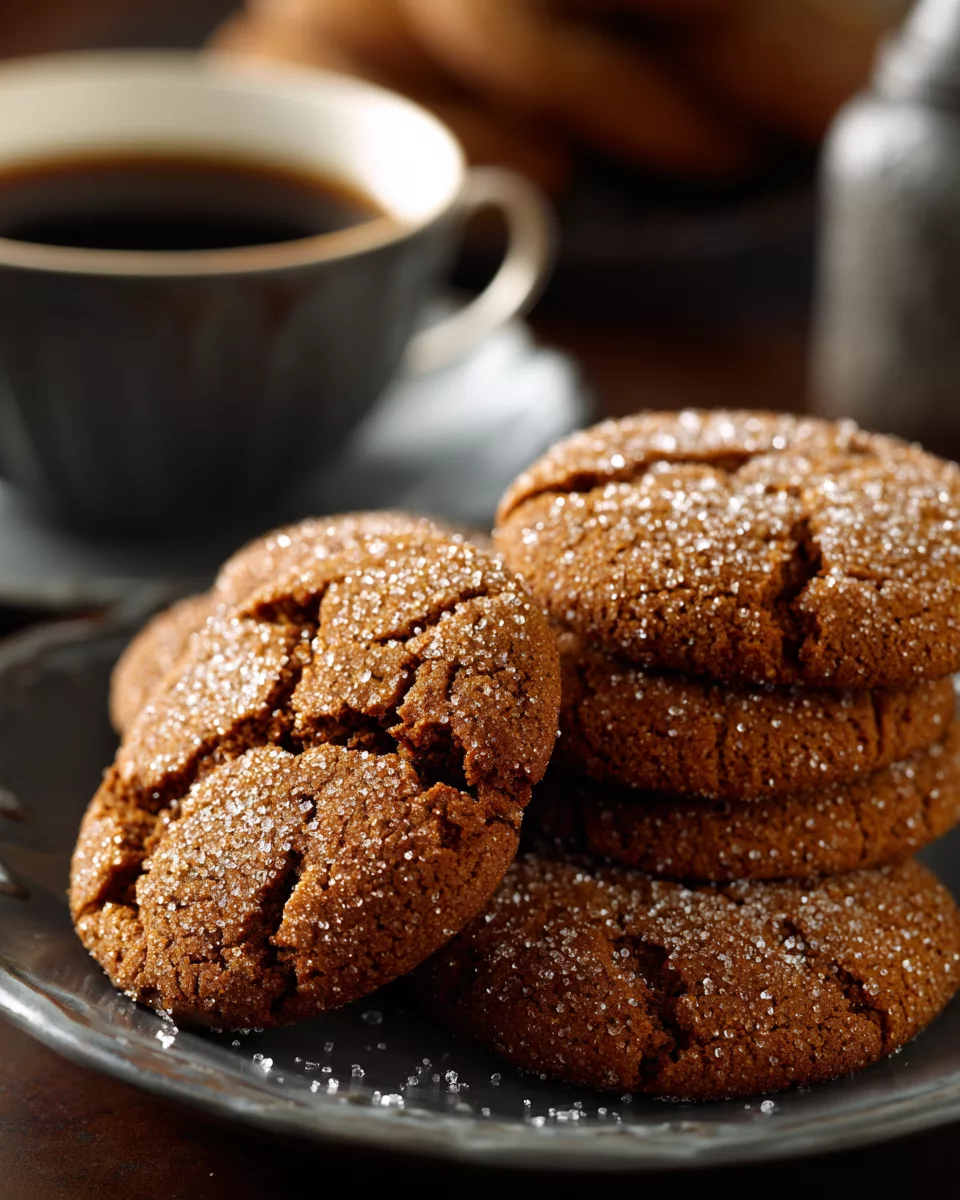
As sugar and molasses start to gently melt you get wafts of caramelizing sweetness. The scent tugs you toward the oven door and I swear it tastes better just from smelling it. That little hint of Maillard browning makes the kitchen feel like home.
Halfway There Keep Your Eye on Cookies
About six minutes in I crack the oven door for a peek. That burst of cool air helps lock in the shape so the edges do not get too crisp. You can tap the top gently and it should spring back a little. If it feels too soft wait another minute or two.
Check color around the edges. You want golden brown not burnt sienna. That is where caramelization is doing its magic. If the center looks underdone do not panic. You still have residual heat working on them once they leave the oven.
I sometimes rotate the tray if my oven has hot spots. That extra care can make a big difference when you are chasing that perfect Maillard browning effect. Remember to close the door gently so you do not dump heat out.
Checking the Heat Probe and Texture
I like to test one cookie with a simple touch test. Press the edge gently with your finger. It should feel set and crisp around the outside while the middle feels slightly soft. That tells me the protein rest and bake time paired well.
If you are a thermometer fan you can probe the center. You are aiming around 180 degrees F for a soft chewy interior. Too hot and the cookies will be drier. Too cool and they might collapse once pulled off the tray.
Note how the sugar sheen changes as it cools. At first the surface glistens from caramelization cooling. Soon it dulls into that signature crackly finish. That means your cookies took on just enough high heat to brown the outside and leave a tender middle.
Style Your Cookie Spread
When I plate my molasses cookies I like to stack them in a casual pile on a rustic wooden board. It feels more homey than a neat row. A light dusting of powdered sugar can mimic fresh snow and draw the eye.
You can also drizzle that extra molasses glaze over the top. Keep it slow and steady so each cookie gets a little sweet drip. Add a sprig of fresh mint or a couple cinnamon sticks for a photo op that makes your kitchen look like a bakery.
Keep or Reheat for Fresh Bites
Leftover molasses cookies stay soft when stored in an airtight container with a slice of bread. That bread trick keeps moisture balanced so they do not dry out. Just replace the slice every day or two if you do not eat them quick.
If they get cold and firm pop them in a 300 degree F oven for a few minutes. That low and slow warm up revives that melty center and reactivates caramelization on the edges. Watch carefully so they do not brown too much.
For a quick dessert hack try microwaving one cookie for ten seconds on a paper plate. It loosens up the sugar crystals so each bite feels just baked. No one will guess they came from yesterday s batch.
Final Thoughts and Quick Qs
These molasses cookies nail the balance between chewy middle and crisp edge thanks to Maillard browning and that protein rest chill time. You get warm spices from ginger and cinnamon that embrace the sticky sweet flavor of real molasses. Each bite shows the power of controlled heat shaping a home baked treat.
Q What if my cookies spread too much
A Make sure your dough is chilled and your oven is not too hot on the bottom rack. Low and slow helps the edges set before the center runs wild.
Q Can I use dark molasses
A Yes it will deepen flavor and add more robust caramelization. You might notice a richer chew and a darker cookie color.
Q Why do my cookies come out flat
A Likely the dough was too warm or you skipped the protein rest chill step. Next time stick them in the fridge for at least thirty minutes.
Q Can I freeze the dough
A Absolutely. Portion it into balls then freeze on a sheet. Bake straight from frozen adding a minute or two to the time so you still hit that perfect heat curve.
Grab a cold glass of milk or a warm mug of tea then enjoy every chewy sweet bite. Keep experimenting with small bake time tweaks to dial in your perfect batch of molasses cookies.
Molasses Cookies
Equipment
- 1 mixing bowl
- 1 measuring cups and spoons
- 1 baking sheet
- 1 parchment paper optional
- 1 electric mixer optional
- 1 cooling rack
Ingredients
- 3 cups all-purpose flour
- 1 cup unsulfured molasses
- 1 cup granulated sugar
- ½ cup unsalted butter Softened.
- ½ cup brown sugar Packed.
- 2 large eggs
- 2 teaspoons ground ginger
- 1 teaspoon ground cinnamon
- ½ teaspoon ground cloves
- ½ teaspoon baking soda
- ¼ teaspoon salt
- ½ cup granulated sugar For rolling.
Instructions
- Preheat your oven to 350°F (175°C). Line a baking sheet with parchment paper or grease it lightly.
- In a large mixing bowl, cream together the butter, granulated sugar, and brown sugar until light and fluffy using an electric mixer, or by hand with a wooden spoon.
- Add the molasses and eggs to the butter mixture and mix until well combined.
- In another bowl, whisk together the all-purpose flour, ground ginger, ground cinnamon, ground cloves, baking soda, and salt.
- Gradually add the flour mixture to the wet ingredients, mixing until just combined. Do not overmix.
- Scoop tablespoons of dough and roll them into balls. Roll each ball in granulated sugar until coated.
- Place the dough balls on the baking sheet, spacing them about 2 inches apart.
- Bake in the preheated oven for 8-10 minutes, or until the edges are set but the centers are still soft.
- Remove from the oven and let the cookies cool on the baking sheet for 5 minutes before transferring them to a cooling rack to cool completely.
- For added flavor, consider adding chopped nuts or chocolate chips to the dough.
- These cookies can be stored in an airtight container at room temperature for up to one week.
- If you prefer crisper cookies, extend the baking time by a couple of minutes.