I’m the kind of home cook who falls for that sweet heat buzz when the pan sings. The first time I tried One Pan Miso Honey Salmon I was floored by how simple it felt, yet packed with layers of flavor. I kept asking myself how honey and miso could team up so well, all while that pan did its thing under medium heat. And yes, I kept my neighbor’s voice in my head reminding me that heat shapes every bite.
Every time I light the burner I take a second and think back on that show stopping dinner. I love a recipe that makes you pause, smell the sizzle, and think about the chemistry behind it. This salmon sings because we let sugar from the honey caramelize, let proteins rest and relax after cooking, and bring out deep Maillard browning on the fish surface. Stick around, and I’ll nudge you to catch all those little moments that turn a simple pan dinner into something you brag about the next day.
What Happens When Heat Meets Salmon
When you slide that fish onto a warm pan you set off a cooking party. First the pan surface hits the fish skin, and proteins tighten up, water moves out, and that top layer goes golden. We call this Maillard browning. It is the same thing that gives a steak it is amazing crust or the edges of your fries their deep color.
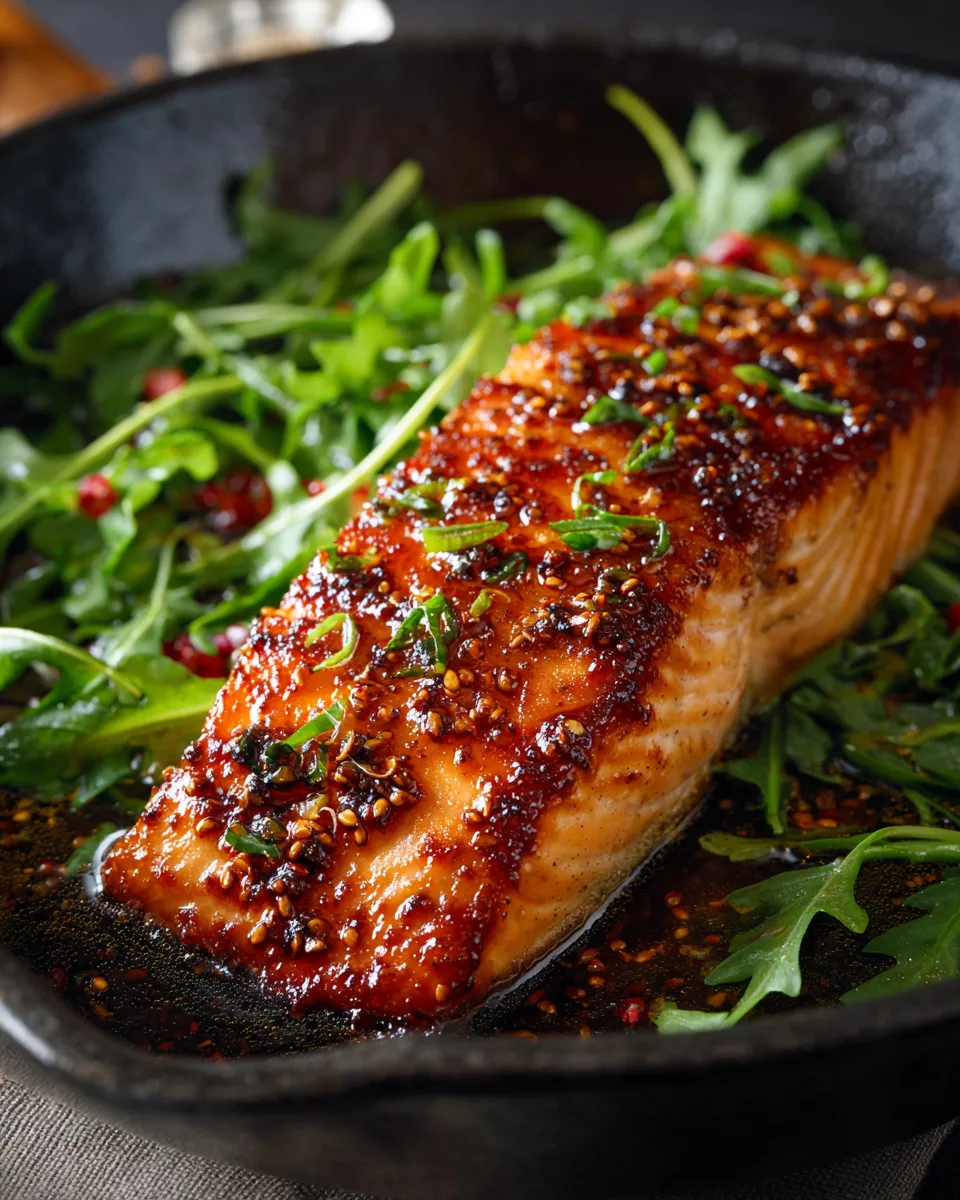
At the same time honey starts to dance with heat, it softens and spreads across the flesh. As heat climbs those sugars turn brown in a process called caramelization. You can amp up the effect when you cook low and slow at first, then finish up at a higher setting. It gives you a balance of tender inside and crisp outside.
Your Miso Honey Salmon Essentials
Before we dive in you need to roll call your pantry. Every item plays it’s part in flavor and chemistry.
- Salmon fillets about six ounces each and trimmed of extra skin bits
- White miso paste it’s mild and creamy, perfect for that savory note
- Honey use a runny one so it blends easy with miso
- Soy sauce adds salt and depth
- Rice vinegar for a gentle tang that lifts flavors
- Garlic cloves minced fine, they bring that warm pungent spark
- Fresh ginger grated, it brightens the blend and fights sogginess
- Sesame oil just a splash for its nutty aroma
With these items on deck you are ready to catch that sweet and savory wave that heats brings out. No extra fuss no big shopping run.
The Prep Briefing
First I lay out a small bowl to stir my marinade. I scoop miso paste, dollop honey, splash soy sauce, rice vinegar, minced garlic and grated ginger. I whisk until it looks glossy and a bit thick. If it feels too stiff I add a teeny drop of water just to loosen it up.
Next I pat dry the salmon with a paper towel. Getting that surface dry is key so you can get real Maillard browning on the skin side. Then I lay the fillets in a shallow dish, pour half the marinade over them, and turn each fillet so it glazes on both sides. I tuck it in the fridge for about fifteen minutes. That time is not just for flavor to sink in, but for the protein rest phase. It helps the fish not curl up when it hits heat.
The Scent That Stirs the Soul
As soon as the salmon hits the pan you get hit with that sweet miso honey scent mixing with garlic and ginger. It smells deep and comforting like a kitchen hug. There is that faint tang from vinegar that keeps it from feeling too rich.
When the marinade starts to caramelize you know you are in for good times. It smells almost like warm toffee with a hint of sea breeze. Your kitchen will invite every neighbor to peek in.
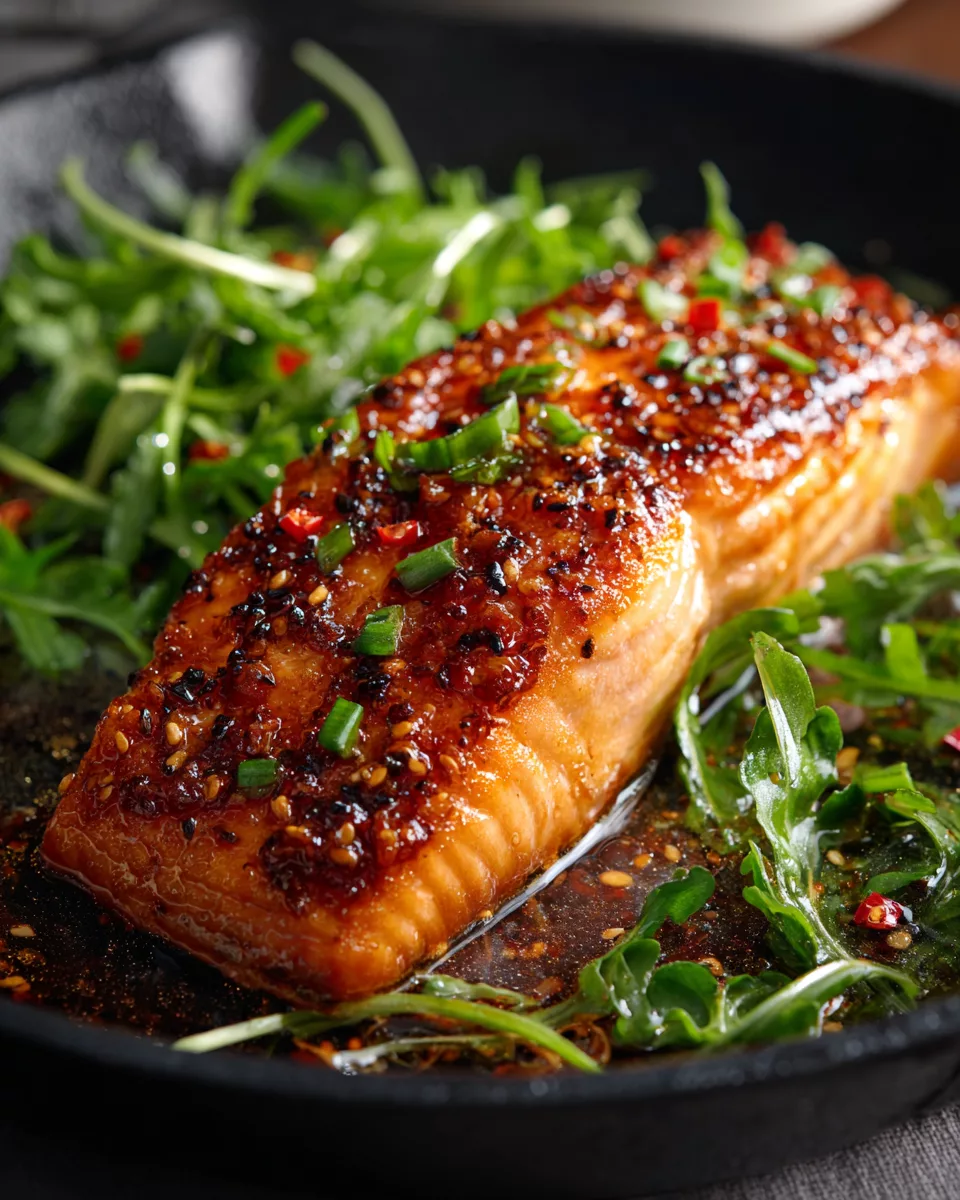
Midway Check On the Sizzle
At about five minutes into cooking I lift a corner of one fillet. The skin side needs to look crisp and golden. If it seems too dark I turn the heat down just a notch. You want that low and slow phase first, then after you have even color you can bump the flame for a quick finish.
Then I spoon a bit of leftover marinade from the pan over the top of each piece. That extra glazing boosts flavor and helps set up more caramelization. I give another gentle turn so every edge gets a bit of sticky glow.
Telling the Temperature Tale
I slide in my probe so it nests in the thickest part of the filet. I look for around one hundred twenty degrees Fahrenheit. That number means the texture is silky and still moist. If you push it to one hundred thirty five you risk drying out the fish.
Then I pull the fillets off the pan and let them rest on a plate for a few minutes. This is a final protein rest. It lets juices settle back inside. You do not need fancy gear, a fork will do to test for flakiness. If it flakes clean gentle and moist you nailed it.
Style Up the Plate
I grab a handful of fresh greens and arrange them on a warm plate. Then I nestle the salmon fillet on top. The glaze glistens under kitchen light.
For color I sprinkle sliced green onions and a few toasted sesame seeds. The dish looks as good as it smells. Each bite pops with that contrast of sweet glaze crisp skin and tender fish.
Leftover Love
Got extra salmon
Slice it cold and make a quick salad with mixed greens avocado and a drizzle of extra miso honey sauce. The texture changes when chill sets in but it still stays rich and bright.
You can also break it into chunks for fried rice. Just toss the rice in a hot pan low and slow with a bit of oil then add soy sauce and scrambled egg. Fold in the salmon at the end so it warms through without falling apart too much.
Another hack is to tuck leftover fillets into a tortilla or flat bread with cucumber ribbons and lettuce for a fish taco sort of vibe. Add a squirt of lime if you have it. It is a fast lunch without reheating the entire pan. Still you get pockets of caramelization and that underlying umami bite from miso.
Key Takeaways and Home Cook Questions
So basically that One Pan Miso Honey Salmon is all about simple moves that highlight heat’s power. You dry the fish first to jump start Maillard browning. You let the sugar from honey caramelize in the pan. You give the fillets a solid protein rest before and after cooking. And you pay attention to temperature so it stays moist.
When you catch those little steps the recipe turns into a kitchen lesson on chemistry as much as it is a tasty dinner. Let the fish chill in marinade just long enough but not too long so acids do not break down the flesh. Watch the pan heat so you blend low and slow with a quick higher flash at the end. Those moments shape flavor.
- Can I swap the miso type Yes you can try red miso but it is stronger and saltier. You might cut back on soy sauce if you do.
- What if my pan is too small Try two batches or use a baking dish in the oven. The same ideas apply, just watch temperature and resting time.
- Can I use other fish Firm fish like cod or halibut can work but cooking time will vary. Use an instant read probe so you do not over cook.
- Is the rest really needed Yep it helps juices move back inside and stops the flesh from being rubbery. Ten minute rest is all you need.
Keep this recipe in your back pocket for a busy week night or any time you want big flavor with low fuss. It shows how heat and simple science tricks make a dish way more memorable than just tossing fish in a pan.
One-pan Miso Honey Salmon
Equipment
- 1 large oven-safe skillet or frying pan
- 1 small bowl or whisk
- 1 measuring spoons
- 1 spatula
- 4 serving plates
Ingredients
- 4 fillets salmon about 6 oz each
- ¼ cup white miso paste
- ¼ cup honey
- 2 tablespoons soy sauce
- 1 tablespoon rice vinegar
- 2 tablespoons sesame oil
- 1 tablespoon fresh ginger grated
- 4 cloves garlic minced
- 2 cups snap peas
- 1 bell pepper sliced
- 1 green onion sliced for garnish
- sesame seeds for garnish
Instructions
- Preheat your oven to 400°F (200°C).
- In a small bowl, whisk together the miso paste, honey, soy sauce, rice vinegar, sesame oil, ginger, and garlic until smooth.
- In a large oven-safe skillet, add the snap peas and sliced bell pepper. Drizzle with olive oil, season with salt and pepper, and toss to combine. Arrange the vegetables around the edges of the skillet.
- Place the salmon fillets skin-side down in the center of the skillet. Brush the miso honey glaze generously over each salmon fillet.
- Transfer the skillet to the preheated oven and bake for about 12-15 minutes, or until the salmon is cooked through and flakes easily with a fork. The vegetables should be tender-crisp.
- Once done, remove the skillet from the oven. Let it cool for a couple of minutes, then garnish with sliced green onions and sesame seeds before serving.
- Serve the salmon with the roasted vegetables on the side.