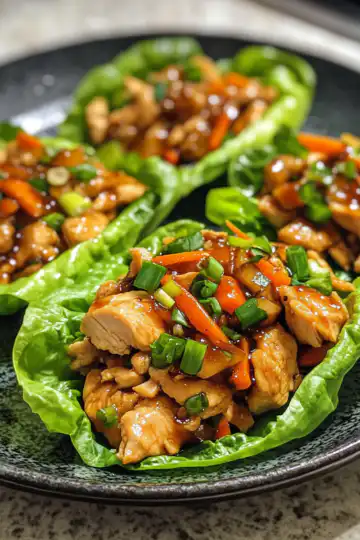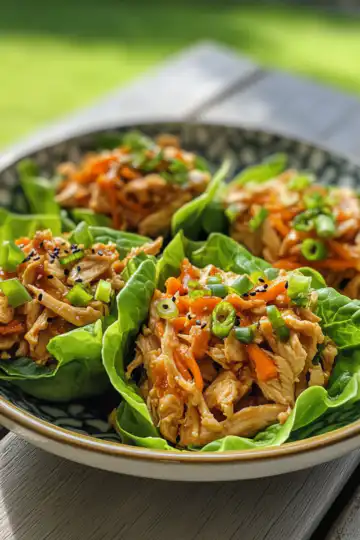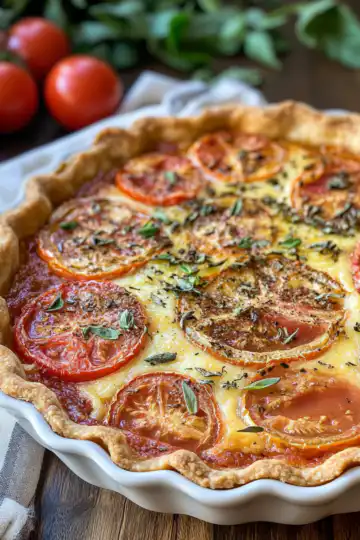
Pasta sneaks into almost every kitchen around the world, popping up at family dinners, school lunches, or even in a late-night snack. It’s super easy to change up with different sauces, veggies, or meats, so no two dishes gotta taste the same. Whether you just toss it with garlic and oil or pile on cheese and meat, pasta’s like that go-to friend you can always count on even when you’re low on time or ideas.
As you dig deeper, you’ll see pasta isn’t just yummy, it’s also a peek into how people from different places cook. Every region has its own favorite way to dress it up—some like it creamy, some like it tomato-y, and some mix in seafood or veggies. And the best part? You can totally experiment and make it your own.
In what follows, we’ll wander through pasta’s past, check out cooking tips, look at the good and bad stuff it brings to your diet, and toss in a bunch of tasty recipes. Whether you’re just starting out in the kitchen or you’ve been cooking forever, there’s something here to make your next pasta night really pop.

The History of Pasta
Pasta’s story goes back way before pizzas and takeout boxes. People think noodles first showed up in China around 2000 BC, made from wheat and water. As traders moved along old routes, noodle ideas spread, and eventually folks in Italy started turning local grains into dough. The land was perfect for growing wheat, so soon they were makin’ all sorts of shapes and styles.
Over time, pasta kept changing with how people lived. In the Middle Ages, families mostly made it at home with just flour and water, so it was kinda simple. But then the Industrial Revolution showed up and machines started churning out dried pasta by the ton. That meant you could buy a bag at pretty much any market, which made pasta super popular everywhere. Now it’s hard to find someone who doesn’t love a good bowl of noodles.

III. Types of Pasta
Broadly, pasta falls into two camps: fresh and dried. Each one acts a bit different in cooking and works better with certain sauces.
A. Fresh vs. Dried Pasta
Fresh pasta is usually eggs mixed with flour, so it’s soft and cooks super fast—like two to three minutes in boiling water. It’s perfect for light sauces or stuff filled with cheese like ravioli or tortellini.
Dried pasta is made from durum wheat semolina and water only, so it’s tougher and holds up to heavy sauces. Think lasagna, spaghetti, or penne. It takes a bit longer—about 8 to 12 minutes—to cook just right.
B. Varieties of Pasta Shapes
There’s a crazy amount of shapes and sizes, each meant for a certain kind of sauce or dish. Here are some big hitters:
- Spaghetti: long, thin strands—great for tomato sauces or meatballs.
- Fettuccine: flat ribbons—goes well with creamy sauces like Alfredo.
- Penne: short tubes with slanted ends—perfect for baked dishes or chunky sauces.
- Fusilli: spiral twists that trap sauce—good for cold salads or thick stews.
- Farfalle: bowtie shapes that look cute in pasta salads or simple tomato sauces.
IV. Nutritional Value of Pasta
Pasta gives you a good boost of energy, but you gotta know what’s inside to balance your meals right.
A. Macronutrients in Pasta
Most pasta is carbs—around 40 to 50 grams per serving—which your body burns for fuel. It also has about 7 to 8 grams of protein and barely any fat. If you pick whole grain or enriched versions, you’ll also get extra fiber, B vitamins, and iron.
B. Gluten-Free Alternatives
If you can’t eat gluten, no problem. You can buy pasta made from rice, corn, chickpeas, or quinoa. They cook a bit differently but let everybody enjoy noodles, even if wheat’s off-limits.
V. Essential Ingredients in Pasta Meals
While pasta itself is the base, it’s what you add that makes it shine. These are the basics:
A. Common Ingredients
- Water: for boiling the pasta, gotta have lots so it doesn’t stick.
- Flour: you need it if you’re makin’ your own, all-purpose or semolina works.
- Eggs: often in fresh pasta to give it color and a richer taste.
B. Flavor Enhancements and Add-ins
- Herbs: basil, parsley, oregano—they brighten the whole dish.
- Spices: red pepper flakes, black pepper for a little kick.
- Vegetables: tomatoes, spinach, mushrooms add color and nutrients.
- Proteins: chicken, shrimp, beans to make it more filling.
VI. Popular Pasta Meal Recipes
Here are some favorite dishes, from old-school Italian to quick weeknight hacks.
A. Classic Italian Pasta Dishes
1. Spaghetti Carbonara
Ingredients: Spaghetti, eggs, Parmesan cheese, pancetta, black pepper.
Directions: Boil spaghetti until it’s just firm. Fry pancetta till it’s crispy. Whisk eggs and cheese, then mix with hot pasta and pancetta off the heat, stirring in a little pasta water for creaminess.
2. Fettuccine Alfredo
Ingredients: Fettuccine, butter, heavy cream, Parmesan, garlic.
Directions: Cook fettuccine. In a pan, melt butter, add garlic, then cream and cheese. Toss pasta in sauce and serve right away.
B. Hearty and Comforting Pasta Casseroles
1. Baked Ziti
Ingredients: Ziti, marinara sauce, ricotta, mozzarella, Parmesan.
Directions: Mix cooked ziti with sauce and ricotta, put in a baking dish, top with mozzarella, then bake until cheese’s golden.
2. Pasta Primavera
Ingredients: Pasta, mixed veggies (peppers, zucchini, carrots), olive oil, garlic, Parmesan.
Directions: Sauté veggies in oil and garlic, toss in pasta, sprinkle with cheese, and serve hot.
C. Quick and Easy Weeknight Pasta Meals
1. One-Pot Pasta Primavera
Ingredients: Pasta, veggie broth, seasonal veggies, olive oil, herbs.
Directions: Throw everything in one pot, bring to a boil, then simmer till pasta soaks up the broth. Top with fresh herbs.
2. Garlic Butter Shrimp Pasta
Ingredients: Linguine, shrimp, garlic, butter, lemon juice, parsley.
Directions: Sauté garlic in butter, add shrimp until it turns pink, toss with linguine and lemon juice, then garnish with parsley.
VII. Cooking Techniques for Perfect Pasta
If you wanna nail pasta every time, these tips help.
A. Cooking Pasta to Perfection
Use a big pot with tons of water—about 4 to 6 quarts per pound of pasta. Wait for a full rolling boil, then salt it good to boost flavor. Stir so it don’t stick, and taste a minute before the time’s up to make sure it’s al dente (that little chew is key).
B. Saucing Techniques
For tomato-based sauces, toss hot drained pasta right into the pan. If it’s creamy, keep some pasta water aside to thin the sauce and help it cling. Always finish mixing off the heat so the sauce stays smooth.
VIII. Pairing Pasta Meals with Sides and Drinks
What goes with pasta can make the meal even better.
A. Side Dishes
- Salads: a crisp green salad with vinaigrette cuts through all that richness.
- Breads: garlic bread or a warm roll for dipping into extra sauce.
B. Beverage Pairings
- Wine: white like Pinot Grigio for lighter dishes, red like Chianti for meaty sauces.
- Tap Water: plain cold water refreshes the palate without stealing the show.
- Non-Alcoholic Options: sparkling water with lemon keeps things fizzy and fresh.
IX. Frequently Asked Questions (FAQs)
A. What are the best pasta meals for meal prep?
Try baked ziti or pasta primavera—they reheat well and still taste great the next day.
B. How can I make pasta gluten-free?
Pick gluten-free options made from rice, corn, or chickpeas instead of wheat.
C. What sauces pair best with different pasta types?
Thicker sauces work with sturdy shapes like penne, while thin sauces go with delicate noodles like angel hair.
D. Can you freeze pasta meals?
Yeah, casseroles freeze best. Just put them in airtight containers so they don’t get freezer burn.
E. What is the quickest pasta meal I can make?
A one-pot garlic butter shrimp pasta takes less than 30 minutes and leaves barely any dishes to wash.
X. Conclusion
Pasta meals are more than just filling—you get to play around with flavors, textures, and colors every time you cook. From old-school classics to wild new combos, there’s a whole universe of noodles out there waiting for you to discover it.

pasta meals
Equipment
- 1 large pot
- 1 colander
- 1 large skillet
- 1 wooden spoon
- 1 measuring cups and spoons
- 1 cutting board
Ingredients
- 12 ounces fettuccine pasta
- 1 tablespoon olive oil
- 1 tablespoon butter
- 8 ounces button mushrooms, sliced
- 4 cloves garlic, minced
- 1 cup heavy cream For a lighter version, substitute with half-and-half or a dairy-free alternative.
- 1 cup grated Parmesan cheese
- to taste none salt
- to taste none black pepper
- for garnish none fresh parsley Optional.
Instructions
- Bring a large pot of salted water to a boil. Add the fettuccine and cook according to package instructions until al dente. Drain and set aside.
- In a large skillet, heat the olive oil and butter over medium heat. Once melted, add the sliced mushrooms and sauté for about 5-7 minutes, or until they are golden brown and tender.
- Add the minced garlic to the skillet and cook for an additional 1 minute, stirring constantly until fragrant.
- Pour in the heavy cream, stirring to combine. Allow the mixture to simmer for about 3-4 minutes, until it begins to thicken slightly.
- Stir in the grated Parmesan cheese until melted and well combined. Season the sauce with salt and black pepper to taste.
- Add the cooked pasta to the skillet and toss to coat the pasta evenly with the creamy mushroom sauce.
- Serve immediately, garnished with fresh parsley if desired.