From thick tomato sauces to smooth creamy blends or bright green pestos, each kind uses special ingredients and cooking tricks families have passed down for years.
This guide will show you the history of pasta sauce, the different kinds you can make, and real recipes to try right at home. You’ll learn how to pick the best sauce for your favourite pasta, fix common problems, and even figure out which pasta shape works best. Whether you’re just starting out or you cook all the time, knowing pasta sauce helps you make tastier meals that everyone will love. Let’s jump in!
History of Pasta Sauce
Pasta sauce has a long and interesting past that goes way back to ancient times. You can find early versions in Mediterranean cooking, where mixing fresh ingredients was a big deal. In Ancient Rome they used olive oil, vinegar and lots of herbs and spices, which become the basics for many of the sauces we eat today.
Then during the Renaissance era everything changed. Tomatoes came from the Americas to Europe, and adding them to sauces changed Italian food forever. That time created dishes and sauces that we still love to eat now.
Evolution Through the Ages
Over the years, pasta sauce got new flavours from different cultures as people moved around and traded goods. When trade routes grew, cooks got new ingredients so each region made its own style. For example, in north Italy they started adding cream and cheese, making sauces extra rich and creamy, and folks still choose them today.
Nowadays, home cooks and pro chefs both enjoy mixing things up. They might add curry spices or make it extra spicy, so there’s always fresh ideas for pasta lovers. Pasta sauce keeps evolving, thanks to old traditions and new experiments, so you never run out of tasty options.

Types of Pasta Sauces
There are many types of pasta sauces from all around the world. Knowing what they are helps you pick the best one for your dish. Here we look at three main groups: tomato-based sauces, cream-based sauces, and pesto or oil-based sauces.
Tomato-Based Sauces
Tomato sauces are probably the most famous. They’re the base for lots of recipes and can taste simple or very rich. Popular ones include:
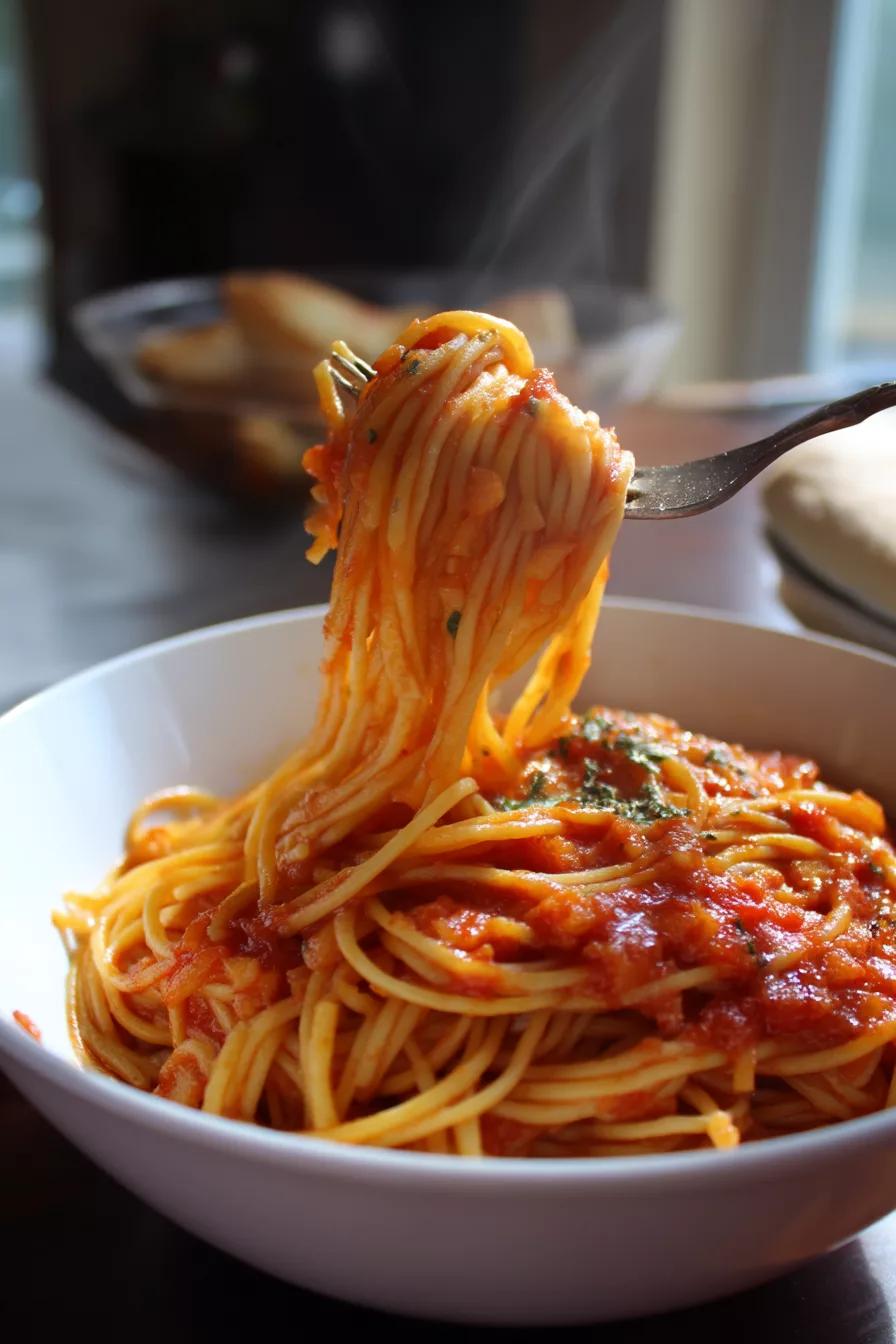
- Marinara: A basic but tasty mix of tomatoes, garlic, herbs and olive oil. It’s great on spaghetti or pretty much anything.
- Bolognese: A thick meat sauce made with ground meat, tomatoes and veggies, usually served with tagliatelle or in lasagna.
You can use fresh tomatoes or canned ones, which makes these sauces easy for any cook.
Cream-Based Sauces
Cream sauces make pasta feel super rich and smooth. They often have cream, cheese or even eggs, so they taste indulgent. Some well-known ones are:
- Alfredo: Made with heavy cream, butter and Parmesan cheese. It’s a classic pairing for fettuccine.
- Carbonara: A fancy sauce with eggs, cheese, pancetta and black pepper. It usually goes on spaghetti.
You can add veggies, meats or spices to customise these sauces just the way you like.
Pesto and Oil-Based Sauces
Pesto and oil sauces show off fresh herbs, nuts and good olive oil. You can mix them raw or warm them a bit for a burst of flavour without the heaviness of cream. Famous ones include:
- Basil Pesto: A mix of fresh basil, garlic, pine nuts, Parmesan cheese and olive oil. Toss it with pasta for a fresh, herby taste.
- Aglio e Olio: A quick sauce with olive oil, garlic and red pepper flakes, usually served with spaghetti.
These sauces are perfect if you want lighter, herb-filled flavours that let the pasta stand out.
How to Make Authentic Pasta Sauce
Making real pasta sauce from scratch is super rewarding and lets you tweak flavours however you want. Whether you prefer a bold tomato sauce or a creamy one, knowing the right ingredients and steps will level up your cooking. This section covers what you need and then gives you a full recipe for a classic marinara sauce.
Ingredients Overview
Most sauces use stuff like:
- Fresh or canned tomatoes
- Olive oil
- Garlic and onions
- Herbs and spices (basil, oregano, pepper)
- Cream or cheese for the creamy versions
- Nuts for pesto sauces
If you have dietary needs, you can swap in vegan or gluten-free options so everyone can enjoy a delicious meal.
Detailed Recipe Section
Classic Marinara Sauce Recipe
Ingredients:
- 2 tablespoons olive oil
- 1 medium onion, chopped
- 4 garlic cloves, minced
- 1 (28 oz) can of crushed tomatoes
- Fresh basil leaves
- Salt and pepper to taste
Directions:
- Heat the olive oil in a saucepan over medium heat.
- Add the chopped onion and sauté until it’s see-through.
- Stir in the garlic and cook for about 1 minute until it smells awesome.
- Pour in the crushed tomatoes and bring to a simmer. Let it cook for about 20 minutes.
- Tear in the fresh basil leaves, then season with salt and pepper.
- Serve over your favourite pasta and enjoy!
Advice:
For extra flavour, add more herbs, a pinch of red pepper flakes, or even a splash of red wine. You can keep this sauce in your fridge for up to a week or freeze it for longer. To reheat, warm it slowly on the stove or zap it in the microwave.

pasta sauce
Equipment
- 1 large saucepan
- 1 measuring cups
- 1 measuring spoons
- 1 cutting board
Ingredients
- 2 tablespoons olive oil
- 4 cloves garlic, minced
- 1 onion diced
- 4 cups fresh tomatoes, chopped or 2 cans of diced tomatoes
- 1 teaspoon sugar
- 1 teaspoon salt
- ½ teaspoon black pepper
- 1 teaspoon dried basil
- 1 teaspoon dried oregano
- ¼ teaspoon red pepper flakes optional
- fresh basil leaves for garnish optional
Instructions
- In a large saucepan, heat the olive oil over medium heat.
- Add the minced garlic and diced onion to the pan. Sauté for about 5 minutes, until the onion becomes translucent.
- Stir in the chopped fresh tomatoes (or canned tomatoes), sugar, salt, black pepper, dried basil, dried oregano, and red pepper flakes (if using).
- Bring the mixture to a gentle simmer, then reduce the heat to low. Allow it to cook for about 25 minutes, stirring occasionally, until the sauce thickens and the flavors meld together.
- Taste the sauce and adjust seasonings if necessary.
- Serve the sauce over your favorite cooked pasta, garnished with fresh basil leaves if desired.