When I first started baking Soft Molasses Cookies I thought it was just mixing some sugar and syrup then popping them in the oven. But you know flavor really comes alive when you dial in just the right heat. I kept reminding myself that heat shapes flavor and that meant more than just cranking up the temperature. I’d nudge my brain to recall what I’d read about Maillard browning and caramelization and think how they’d apply to cookies.
As I mix the wet ingredients I reflect on the low and slow approach that coaxed out deep notes in a stew I made last winter. It’s funny but even in cookies that idea rings true. Letting dough rest gives protein rest time to calm down and bond, helping the texture stay soft instead of turning rock hard when cool. I like thinking of my bowls as little labs where heat and resting happen in stages.
Why Heat Matters for Deep Flavor
When you bake Soft Molasses Cookies heat does a few tricks at once. It makes the sugars melt then turn to caramel. It causes Maillard browning where proteins bump against sugars to give rich color and taste. And it sets the dough so your cookies hold shape but still feel tender inside.
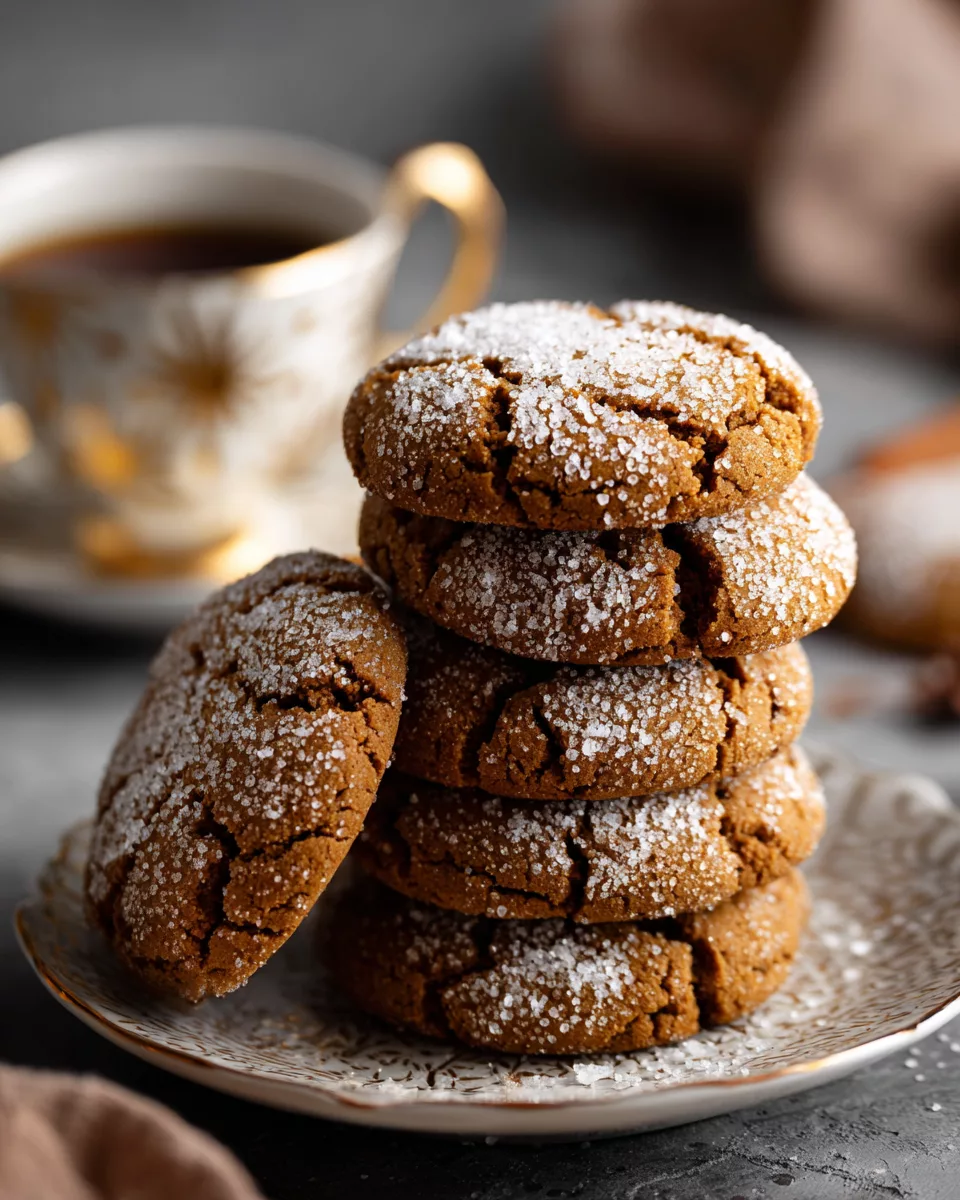
I’m always nudging myself to remember the oven doesn’t just puff up dough. It drives reactions all over your cookie surface. That crusty edge you love is a result of caramelization and a bit of dry heat right at the border. So you get contrast between slightly crisp rim and chewy center. It really ups the cookie game.
Simple Pantry Lineup
- All Purpose Flour about two and a quarter cups, to give structure
- Baking Soda one teaspoon, for lift and subtle air pockets
- Ground Ginger one teaspoon, for that warm peppery zing
- Cinnamon one teaspoon, for its sweet woody perfume
- Cloves half teaspoon, for depth and that old fashioned vibe
- Ground Nutmeg quarter teaspoon, for a tiny spark of nutty flavor
- Salt half teaspoon, to balance the sweetness
- Molasses three quarters cup, thats our star player for richness
- Brown Sugar three quarters cup packed, helps with caramelization
- Egg one large at room temp, helps with protein rest and binding
- Unsalted Butter half cup melted then cooled, for tender chewiness
I always tell my neighbors that each one of these pantry staples has a special job. Flour and baking soda help with rise and structure. Spice blend wakes up your nose even before you taste. Brown sugar and molasses team up for flavor and moisture. And butter plus egg means a dough that rests easy then bakes into chewy pillows.
Getting the Prep Station Ready
First I line two baking sheets with parchment paper. That way cookies slide off easy and cleanup is simple. I also pre measure all my spices and flour into small bowls so I dont get sidetracked mid mix. It keeps me from over mixing or forgetting something.
Then I set my butter and molasses mixture next to the eggs in another bowl. Doing this low and slow means I let melted butter cool a bit before adding egg. It keeps the egg from cooking on contact and gives a smoother batter. I nudge myself to recall this trick every time. It’s a protein rest hack that pays off in soft centers.
Aroma Rising Before the Oven
Once the dough is scooped on the tray you get this warm scent of ginger and cinnamon. It feels like a hug in your kitchen. I always pause and take a deep breath here. It helps me get excited for what’s next.
They smell almost done just before going in. That moment you catch the heady mix of molasses sweet notes and spice is pure joy. I like telling the neighbors about this scent preview so they know something good is about to happen.
Mid Bake Check on Texture
About eight minutes into baking I peek through the oven door. The cookies should spread a bit and the edges turn darker brown. Thats Maillard browning at work. Youll also notice some syrupy shine near the center that soon dulls into soft chew.
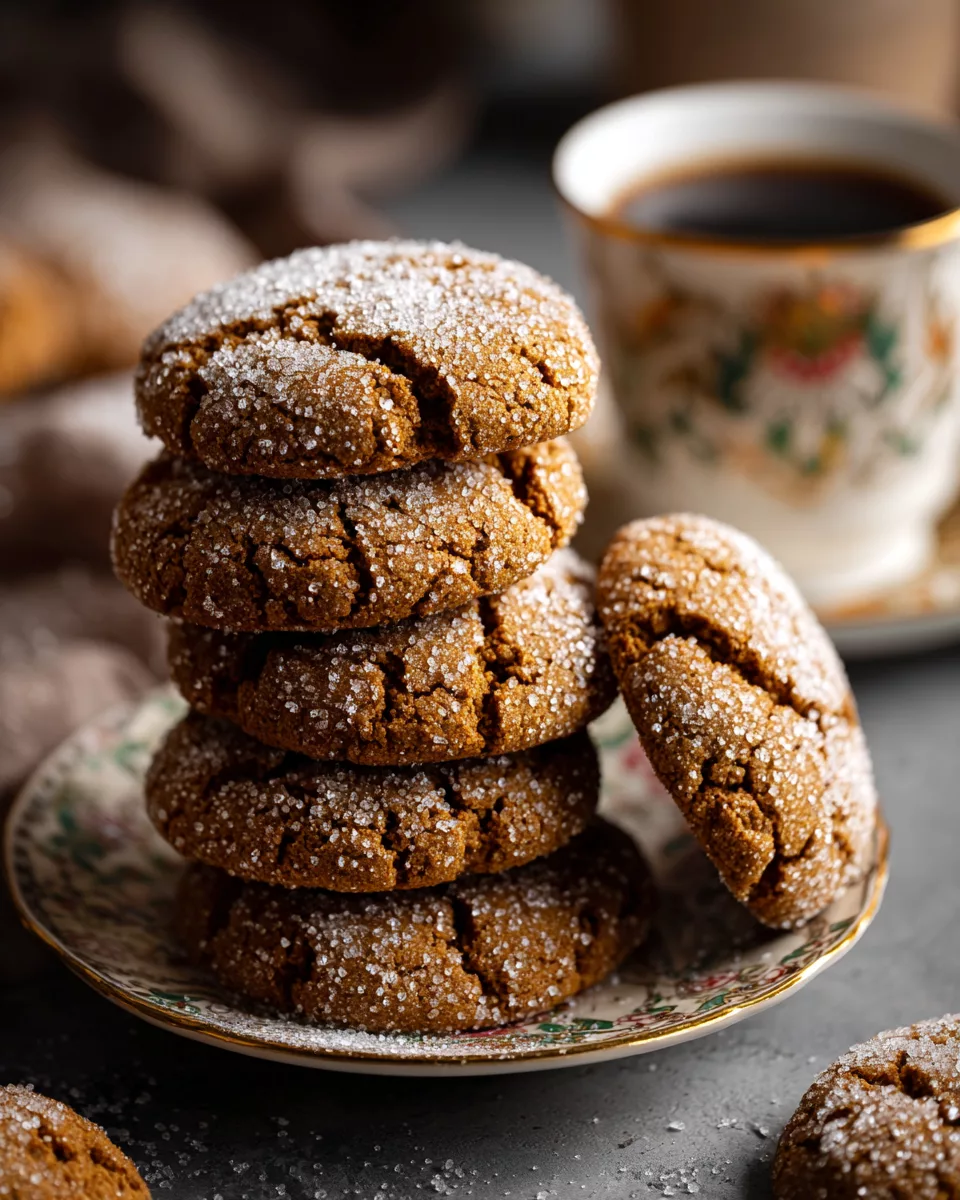
If the edges look too dark too fast I lower the rack or reduce temp by ten degrees. This slow simmer of heat helps keep centers soft and edges all golden. When theyre halfway done they kind of wobble a little under gentle shake. That wobble is good, because carryover heat will finish the job.
I remind myself that ovens can vary so adjustments are normal. Its not a flaw its part of the learning curve. Every home oven is its own personality.
Probing Softness and Doneness
To test, I press the top ever so lightly with the back of a spoon. If they bounce back gently theyre perfect. If they resist too much I nudge them out, theyll firm up more on the sheet. That protein rest inside keeps them soft later.
Dont worry if you dont nail it exactly the first wave. The cookie will carry on cooking just a bit after you pull it. Its that busy heat doing its slow and steady trick.
Serving So All Can Smile
I like to arrange my Soft Molasses Cookies on a round platter. I dont stack them too high or they might stick together. Just a single layer looks cozy. It invites people to reach in and snag a warm cookie.
Sometimes I sneak a sprig of mint or a little bowl of whipped cream for contrast. But theyre tasty just plain too. Folks love that chewy texture and deep caramel notes. It’s simple but satisfying.
Storing and Reviving Leftovers
If there are leftovers I let them cool completely then put them in an airtight container. They stay soft for a few days this way. I sometimes tuck a slice of bread in the box. It helps keep moisture in and stops them from drying out.
When I want to revive one I pop it in the microwave for ten seconds on low power. That little burst of heat reactivates the caramelization and brings back that warm just baked feel. It tastes almost as good as fresh.
Key Tips and FAQs for Perfect Cookies
Should I chill the dough you might ask. Chilling for thirty minutes helps the flavors meld and slows spreading. But if you are in a hurry you can skip it. Your cookies will spread a bit more but still taste great.
What if my cookies look flat its usually because the dough was too warm or overmixed. Try a brief chill or mix a little less next time. You want the dough cool and not whipped like frosting.
Can I use dark molasses absolutely. Dark molasses gives bolder bittersweet notes. It pairs well with the spices and deepens caramelization. Just know your cookies may come out darker in color.
Remember to always adjust baking times if your oven runs hot or cool. And dont forget that low and slow heat approach that teases out subtle flavors while keeping centers soft. Thats the big takeaway. Go on and bake yourself some Soft Molasses Cookies. Youll thank yourself later.

Soft Molasses Cookies
Equipment
- 1 mixing bowl
- 1 electric mixer or whisk
- 1 measuring cups and spoons
- 1 baking sheet
- 1 parchment paper
- 1 cooling rack
Ingredients
- 3 cups all-purpose flour
- 1 teaspoon baking soda
- 1 teaspoon ground cinnamon
- 1 teaspoon ground ginger
- ½ teaspoon ground cloves
- ½ teaspoon salt
- 1 cup unsalted butter, softened
- 1 cup brown sugar, packed
- ½ cup molasses
- 1 large egg
- 1 teaspoon vanilla extract
- ¼ cup granulated sugar for rolling
Instructions
- Preheat your oven to 350°F (175°C). Line a baking sheet with parchment paper.
- In a mixing bowl, whisk together the flour, baking soda, cinnamon, ginger, cloves, and salt. Set aside.
- In another large mixing bowl, cream the softened butter and brown sugar together until light and fluffy using an electric mixer or a whisk.
- Beat in the molasses, egg, and vanilla extract until fully combined.
- Gradually add the dry ingredient mixture to the wet mixture, stirring until just combined. Do not overmix.
- Using a tablespoon or cookie scoop, portion out the dough and roll each ball into granulated sugar. Place them on the prepared baking sheet, spacing them about 2 inches apart.
- Bake in the preheated oven for 10-12 minutes, or until the edges are set but the centers are still soft. They will continue to firm up as they cool.
- Allow the cookies to cool on the baking sheet for 5 minutes before transferring them to a cooling rack to cool completely.
- For a special touch, you can garnish the cookies with a sprinkle of coarse sea salt before baking.
- These cookies can be stored in an airtight container for up to one week. For longer storage, they freeze well for up to three months.