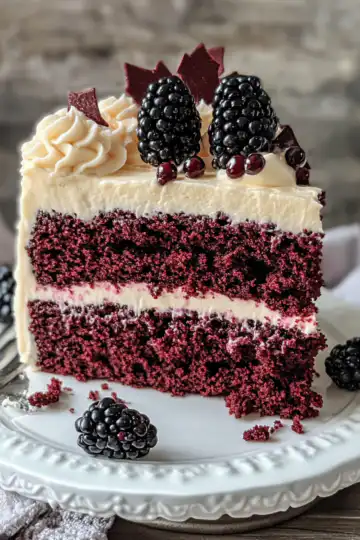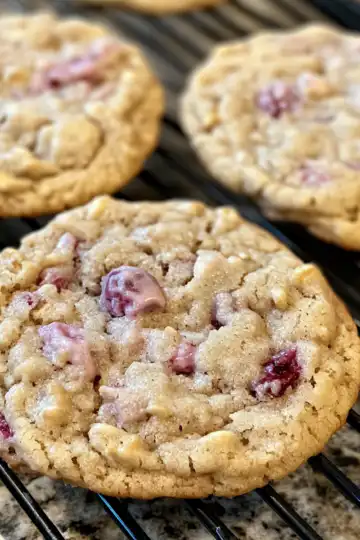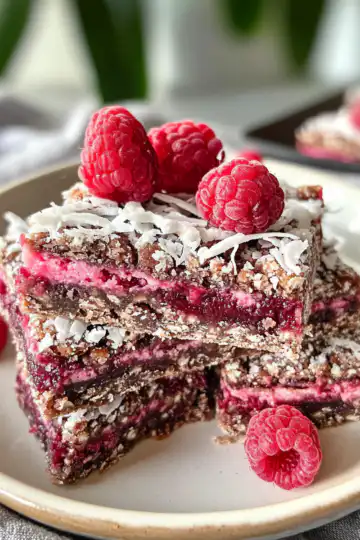
The Cozy Start to Our Sweet Potato Sheet Cake
One evening I decided to bring fall flavors right into my kitchen with a Sweet Potato Sheet Cake. I had some roasted sweet potato leftover from dinner. So I thought why not turn it into something sweet and homey. The oven warming up felt like a hug nearly already.
As I mixed the batter I kept thinking about how heat can shape flavor. I had this neighbor who is totally obsessed with that idea. He is always talking about how low and slow cooking unlocks deep taste or how high heat can trigger Maillard browning to make crusts pop. I wanted to use those ideas in my simple sheet cake.
By the time the pan was ready I felt excited. I could almost smell caramelization in the sweet potato bits as they hit the hot oven. I stood by, ready to check the progress and recall every little trick as this bake unfolds.

Why Heat Makes this Cake Sing
When you bake a Sweet Potato Sheet Cake heat does more than just cook. It drives caramelization of the natural sugars in sweet potato. It also triggers Maillard browning on the edges of the cake. That gives a richer color and a toasty taste.
Going low and slow at first helps the batter rise evenly. Then bumping the temperature near the end builds a slight crust that adds texture. You could even let the batter rest for a bit before it hits the oven. That little protein rest lets eggs relax and traps air for a fluffier crumb.
In some recipes I stir a slow simmer of spices in a splash of milk on the stovetop. That warms up cinnamon and nutmeg, and it infuses the liquid into the batter. All these steps turn a simple bake into a layered sensory treat.
Your Pantry Must Haves for Sweet Potato Sheet Cake
Before you start measure out everything so nothing is left behind. Here is my list of pantry items you ll need. I like to see them all lined up on the counter ready to roll.
- All purpose flour about two cups
- Baking powder one teaspoon to help it rise
- Granulated sugar one cup for sweet balance
- Brown sugar half cup for depth
- Ground cinnamon one teaspoon for warm spice
- Ground nutmeg half teaspoon for extra kick
- Salt a pinch to lift all flavors
- Milk a quarter cup warmed in a slow simmer with spices
- Eggs two large ones, room temperature
- Mashed sweet potato a cup of cooked and cooled
- Butter melted and slightly cooled, half cup
Once these are lined up you are ready to move to prep. If you want extra flair you could swap in almond milk or coconut sugar but that s totally optional.
Getting Your Space Ready to Bake
First things first I always preheat the oven. For this cake I set it to three fifty degrees. That temp lets the cake bake through without burning the edges too fast. If you like a slightly crisp top you can bump it up by ten degrees in the last five minutes.
While the oven warms up I grease a sheet pan with butter. Then I line it with parchment paper. This helps you lift the cake right out when it s done. No mess and no stress.
Next I check my mixing bowls and whisk for any streaks of old batter. I wipe them clean so nothing sticks to my fresh mix. I also measure out my dry and wet ingredients in separate bowls. That way I can do a quick dry blend first and then add the wet stuff without over mixing.

The Scents That Will Fill Your Kitchen
As soon as you pour that spiced milk and sweet potato into the batter you ll catch a cozy aroma. The warm cinnamon and nutmeg float through the air. It feels like a hug from the inside out.
Once the cake is in the oven the heat teases out more fragrances. You get hints of caramelization mixed with nutty undertones. The smell of baked sweet potato is soft but rich. It makes you want to sneak a taste before it s even cooled.
Checking in on the Cake as It Bakes
After about ten minutes of baking I switch on the oven light. I peek through the window to see the edges pulling away from the pan. That is a good sign that Maillard browning is at work. The corners will start to get a golden brown shade.
Around the halfway mark I turn the sheet pan ninety degrees. Ovens heat unevenly and this little rotation helps the cake bake more evenly. If you skip this step you might get one side darker than the rest. That is not what we want here.
I also watch for tiny cracks on the surface. That is a clue the cake is rising and setting up properly. If the top looks shiny or wet you might need a couple more minutes. Remember low and slow builds strength in the crumb.
What Your Toothpick Probe Tells You
When the cake is nearing done I grab a wooden toothpick or metal skewer. I gently insert it into the center. If it comes out clean or with a few moist crumbs the cake is perfectly cooked. If it is wet or has raw batter then it needs more time.
Don t over test by prodding in the same spot too often. That can make a hole that s not part of the final texture. Do a quick one time check then seal the oven door back up to finish baking.
After it passes the probe test I switch off the oven and crack the door open. I let it sit for five minutes in the warmth. This gentle cool down lets the structure set. It is a bit like a protein rest for cakes. Then I pull the pan out to cool fully on a wire rack.
Styling and Serving Your Sheet Cake
Once the cake is cool enough to handle I lift it out of the pan with the parchment paper. I place it on a flat board. Then I dust a little powdered sugar on top. That simple touch makes the surface look inviting.
You can cut the sheet cake into neat squares or rustic wedges. I like to garnish each piece with a small dollop of whipped topping or a scoop of ice cream. The cold cream contrasts the warm spices and soft crumb.
If you re serving friends I offer little bowls of chopped pecans or toasted coconut. They add crunch that plays off the moist texture. You could even drizzle a light caramel sauce for extra indulgence.
Smart Ways to Enjoy Leftovers
Leftover slices of Sweet Potato Sheet Cake are a win in my book. You can store them in an airtight container at room temperature for two days. After that I move them to the fridge so they last longer but that can dry them out.
One favorite trick is to toast a slice for a minute in the oven. It brings back some Maillard browning on the edges and warms up the crumb nicely. It almost tastes fresh baked again.
You can also turn slices into parfait layers. Break the cake into crumbs and layer with yogurt and fruit in a glass. It becomes a quick breakfast or snack that feels fancy without much effort.
Key Takeaways plus Common Questions
To sum up this Sweet Potato Sheet Cake is all about using heat with intention. From low and slow starts to final blasts of higher temp it is a journey of flavor and texture. The baked sweet potato brings natural sweetness while Maillard browning and caramelization add depth.
Keeping your ingredients ready and using a protein rest for the batter make a big difference. Even simple steps like rotating the pan and doing a toothpick probe test ensure an even bake. And dont forget to cool for a few minutes before slicing.
Common Question How do I know my sweet potato is cooked enough for mashing Cook until you can pierce it easily with a fork about 15 minutes in the oven or microwave. Cool before mashing to avoid watery mash.
Common Question Can I use almond flour instead of all purpose flour You can swap but the texture will be denser. You might need extra egg or binder to help the cake hold shape.
Common Question What if I only have sweet potato puree from the can Canned sweet potato works fine just drain excess liquid or simmer gently to reduce moisture with a slow simmer so it does not make the cake gummy.
With these tips you are ready to bake your own sheet cake and play with the heat science cousins that shape every bite. Enjoy the process reflect on each crack and golden edge and then dig in.

Sweet Potato Sheet Cake
Equipment
- 1 large mixing bowl
- 1 electric mixer or whisk
- 1 measuring cups and spoons
- 1 spatula
- 1 baking sheet (18x13 inches)
- 1 parchment paper
- 1 cooling rack
Ingredients
- 2 cups cooked and mashed sweet potatoes about 2 medium sweet potatoes
- 1.5 cups granulated sugar
- 0.5 cup light brown sugar packed
- 0.75 cup vegetable oil
- 4 large eggs
- 2 teaspoons vanilla extract
- 2 cups all-purpose flour
- 2 teaspoons baking powder
- 1 teaspoon baking soda
- 1 teaspoon ground cinnamon
- 0.5 teaspoon ground nutmeg
- 0.5 teaspoon salt
- 1 cup chopped pecans optional
- 8 oz cream cheese softened
- 0.5 cup unsalted butter softened
- 4 cups powdered sugar
- 2 teaspoons vanilla extract
- 2-3 tablespoons milk to reach desired frosting consistency
Instructions
- Preheat your oven to 350°F (175°C). Line a baking sheet with parchment paper and set aside.
- In a large mixing bowl, combine the mashed sweet potatoes, granulated sugar, brown sugar, vegetable oil, eggs, and vanilla extract. Mix well until smooth using an electric mixer or whisk.
- In another bowl, sift together the flour, baking powder, baking soda, cinnamon, nutmeg, and salt.
- Gradually add the dry ingredient mixture to the sweet potato mixture, stirring gently until just combined. If desired, fold in the chopped pecans.
- Pour the batter into the prepared baking sheet, spreading it evenly. Bake in the preheated oven for about 30 minutes, or until a toothpick inserted in the center comes out clean.
- Remove the cake from the oven and allow it to cool in the pan on a cooling rack for about 15 minutes. Then, carefully remove the cake from the pan and let it cool completely on the rack.
- While the cake cools, prepare the cream cheese frosting. In a mixing bowl, beat the softened cream cheese and butter together until smooth. Gradually add the powdered sugar, mixing until well combined. Add the vanilla extract and enough milk to reach your desired frosting consistency.
- Once the cake is completely cool, spread the cream cheese frosting evenly over the top of the cake. Cut into squares and serve.