I step into my kitchen with a grin because today is all about Traditional Mexican Birria. My neighbor across the fence always raves about how heat can shape flavor and I swear I can almost hear him nodding approval as I fire up the stove. I want to get every single detail right because this recipe is a feast of smells and tastes that feels like a warm hug on a plate. Plus I need to remember why I first fell in love with this slow and steady way of cooking, that low and slow simmer that teases out layers of savory complexity.
At the same time I keep thinking about Maillard browning on the meat and the way caramelization on the edges can send a hint of sweet smoke drifting across the yard. Each time I pull that lid off I remind myself to let the meat have its protein rest so it soaks up all those juices. I have to recall how layering spices and chiles in a hot oil bloom kicks the heat right into the heart of every bite. This is my ritual, my test of patience, and I promise to share the bumps and half forgotten tricks that make my birria taste like tradition itself.
Why Heat Shapes Every Bite
When I first tried making Traditional Mexican Birria I had no clue how much heat would matter. I learned that tossing dried chiles into warm oil until they blister can change raw spice into a deep smoky richness. It is all about temperature control, about coaxing flavor instead of rushing through each step. I find myself tweaking the flame as a chef would tune an instrument, listening for the sizzle that means proper Maillard browning has begun on the meat surface.
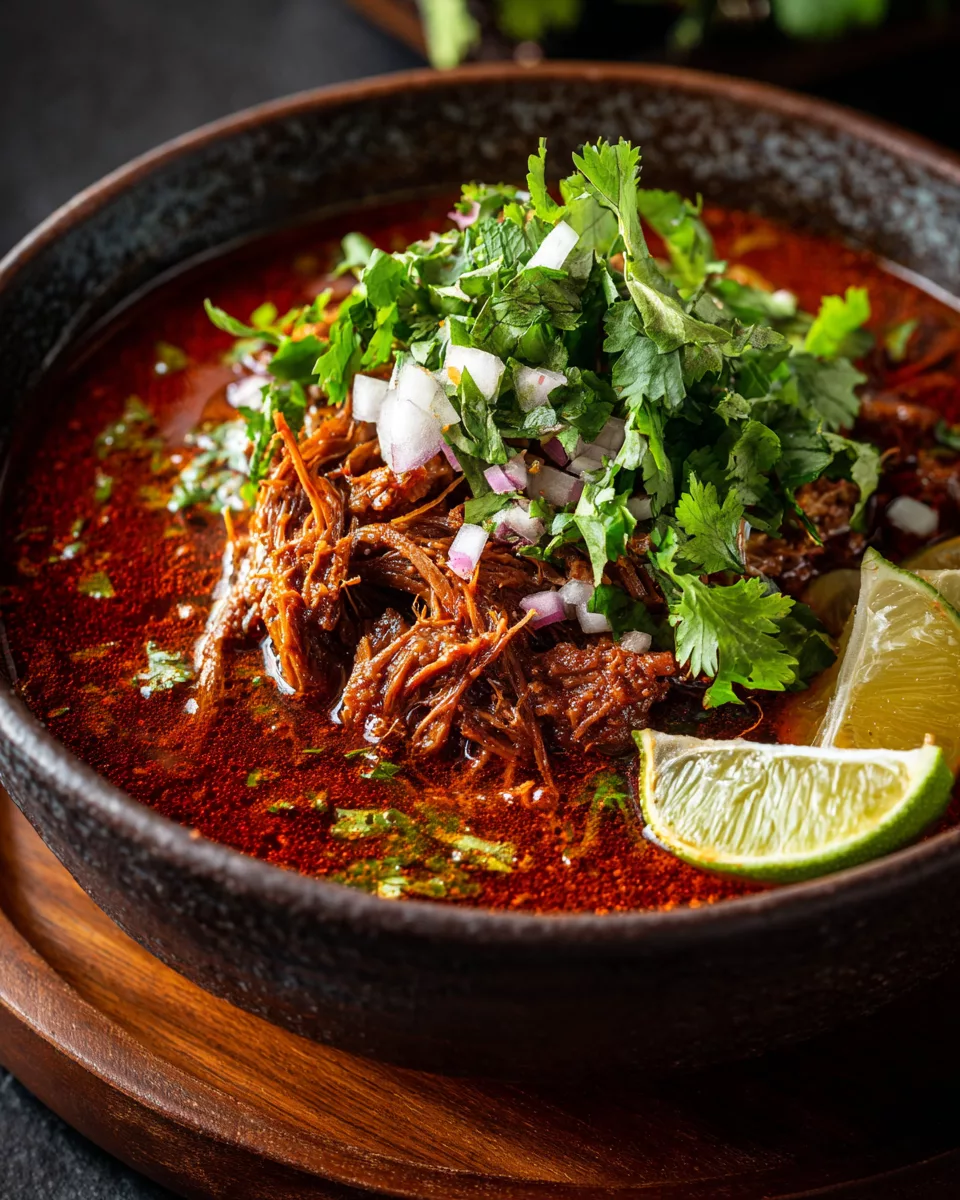
Then I remember that patience is part of the recipe. Letting that pot go on a slow simmer gives time for connective tissue in the meat to break down. That renders collagen into soft gelatin so every forkful glides right through. I get a kick out of how this low and slow method can turn a tough cut into silky tender bites that drape over warm tortillas like velvet drapes in a cozy room.
Gathering My Pantry Cast
- Beef Chuck Roast about three pounds cut into chunks so the slow simmer does its work
- Dried Guajillo Chiles six or seven stems toasted lightly for color and warmth
- Dried Ancho Chiles four chiles that add depth and a gentle sweet smoke
- White Onion one medium roughly chopped for savory balance
- Garlic Cloves five or six smashed cloves to build aromatics
- Tomato one large red for moisture and a hint of tang
- Spices Mix including cumin seeds, dried oregano and a pinch of cinnamon
- Beef Broth enough to cover the meat half way for a steady braise
This list covers the heart of my Traditional Mexican Birria. Every item plays a part in the melody of flavors just like instruments in a band warming up for showtime. I always double check my pantry cast before I begin so no surprise trips to the store cut my focus.
Setting Up My Cooking Space
First I clear a space around the stove to keep everything within arm reach. I like to have the chopping board beside my favorite heavy pot and all the spices lined up like little soldiers waiting for orders. This keeps me from juggling bowls and switching stations at the last second, which can kill the rhythm of heat control I need to chase perfect caramelization on the meat.
Then I bring out a small blender to puree the rehydrated chiles with garlic and spices. I also fill a bowl with water to soak the dried chiles because that step is key for smooth, lump free sauces. Finally I grab a kitchen thermometer because I never trust my gut alone when it comes to checking internal temperatures for the meat. It helps me nail the perfect protein rest time later on.
Smelling the Birria Hit the Air
About twenty minutes into the slow simmer the kitchen fills with an inviting scent that reminds me why I fell for Traditional Mexican Birria in the first place. A blend of cumin and garlic dances with the tang of tomato and the earthy smolder of dried chile. It hits you in waves, each breath richer than the one before.
That moment always sparks a smile across my face because I know the magic is happening without using the word magic. The aroma is a clear sign that the sauce is thickening nicely and that protein rest for the meat is near at hand. I find myself closing my eyes and breathing it all in, dreaming of how it will taste later on fresh tortillas.
Checking In at the Halfway Mark
When the pot has been bubbling for an hour I lift the lid and peek inside. The meat is already starting to fall apart a bit at the edges and the sauce surface is shimmering with orange red oil that spells success. I also see little bubbles around the sides which show good Maillard browning bits are contributing to the overall stock.
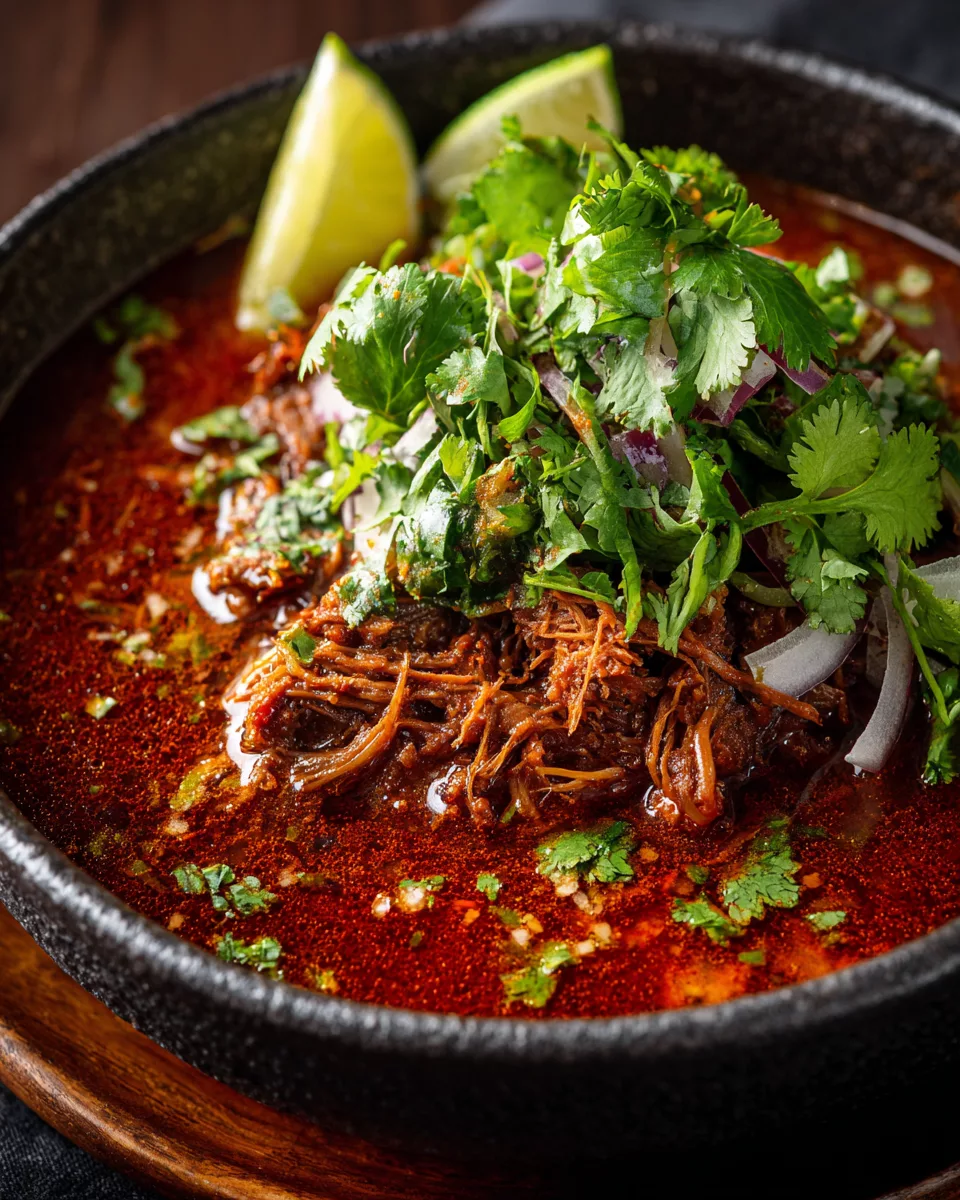
I take my spoon and dip deep to swirl up some sauce, then I bring it to my nose. If the spice blend smells too raw I let it cook a bit longer. If it feels mellow and deeply spiced I know the stage is set for a final slow simmer. At this midway point I adjust the flame so the pot stays at a gentle simmer, not a boil, so the collagen inside the beef can keep turning to gelatin without drying out the meat.
Testing Tenderness With a Probe
After another hour or so I clear a spot on the counter and grab my thermometer probe. I push it into the thickest piece of meat to check internal temperature. I watch for around 190 degrees Fahrenheit which guarantees the connective tissue has broken down fully. If it is lower I tuck the probe back in and let it rest for a bit longer.
Once that number is met I gently lift out the chunks onto a tray. I give each piece a short protein rest to let the juices settle. This step helps prevent all the flavorful liquid from gushing out the moment I start to shred or slice. It might feel like extra time wasted but it ensures every mouthful is juicy and rich instead of thin and dry.
My Favorite Birria Serving Style
I line up corn tortillas on a platter and dunk each one quickly into the top of the cooking liquid. That quick dip makes them soft and deeply colored with sauce. I gently fill them with shredded beef then fold them over to trap in all that tender meat and juices.
Next I pour a small bowl of the hot broth on the side so everyone can dip as they like. That practice of low and slow cooking results in silky tortillas that soak up liquid without falling apart. You end up with deep hues and bold flavors in every bite. Then I top them with cilantro onions and a squeeze of lime for freshness.
Last Night Leftovers Trick
If I have any of this Traditional Mexican Birria left over I always cool it quickly and stash it in a sealed container. Next day I pop it in the fridge and let the flavors settle even more. When I reheat it the sauce is thicker and tastes sharper, almost like a new level of depth gained overnight.
For a quick lunch I pile it into a bowl over rice and drizzle some crema on top with crumbled cheese. It feels like an entirely different dish while still shining with those same caramelization notes and slow simmer goodness. I even toast extra tortillas in a pan until they get crisp edges then load them with birria for a crunchy taco twist.
My Birria Recap and Common Questions
To wrap up let me remind you why this Traditional Mexican Birria is worth every minute of that slow simmer adventure. You get deep flavors from caramelization and Maillard browning. You coax out unctuous tender meat with a patient low and slow approach. You let your neighbors nod in approval over perfect texture thanks to protein rest.
Here are a few questions I often hear when folks try this for the first time
- Can I use a different meat cut? Yes you can swap chuck roast for short ribs or brisket but you need at least two inches of fat to keep things moist during the long cook
- Why soak the chiles? Soaking cool water softens the dried chiles so they puree smooth and blend without bitter bits
- Do I need a blender? You can use an immersion blender if you like but a regular blender gives you the smoothest sauce texture
- How long can leftovers last? Up to four days in the fridge if you cool fast and keep tightly sealed you maintain that deep flavor profile
- Can I freeze birria? Absolutely you can freeze in portions then thaw in the fridge overnight for a quick reheat without losing quality
With these tips and hacks you have everything you need to master your own Traditional Mexican Birria at home. Just remember to respect the heat, savor patience and enjoy every single bite.

Traditional Mexican Birria
Equipment
- 1 Large pot or Dutch oven
- 1 Blender
- 1 Strainer
- 1 Ladle
- 1 Cutting board
- 1 set Measuring cups and spoons
Ingredients
- 3 lbs beef chuck roast (or goat meat)
- 4 pieces dried guajillo chiles
- 2 pieces dried ancho chiles
- 1 medium onion, chopped
- 4 cloves garlic, minced
- 2 teaspoon cumin
- 2 teaspoon oregano
- 1 teaspoon thyme
- 1 teaspoon black pepper
- 1 ½ teaspoon salt (adjust to taste)
- 2 cups beef broth (or water)
- 2 tablespoon apple cider vinegar
- 1 piece bay leaf
- to taste chopped cilantro (for garnish)
- to taste chopped onions (for garnish)
- as needed corn tortillas (for serving) For dipping or taco filling.
Instructions
- Remove the stems and seeds from the dried guajillo and ancho chiles. Place the chiles in a dry skillet over medium heat for about 2-3 minutes or until fragrant. Transfer them to a bowl and cover with hot water. Let them soak for about 15-20 minutes until softened.
- In the same skillet, add a little oil and sauté the chopped onions until they become translucent. Add the minced garlic and cook for another minute.
- In a blender, combine the soaked chiles, sautéed onions, garlic, cumin, oregano, thyme, black pepper, salt, beef broth, and apple cider vinegar. Blend until it forms a smooth paste.
- Cut the beef chuck into large chunks and place them in a large pot or Dutch oven. Pour the blended chile sauce over the meat and add the bay leaf. Stir to coat the meat evenly.
- Cover the pot and cook on low heat for about 2-3 hours or until the meat is tender and falls apart easily. You can also cook it in a preheated oven at 325°F (160°C) if you prefer.
- Once cooked, remove the meat from the pot, shred it using two forks, and return it back to the pot. Stir to combine with the broth.
- To serve, ladle the birria into bowls, and garnish with chopped onions and cilantro. Serve hot with warm corn tortillas on the side for dipping.