
When the weather turns cool and you’re craving something warm, bean chili is just the thing. It’s packed with beans, spices and veggies so it fills you up fast. You can switch stuff around any way you like, and it’s been a favorite in kitchens for ages. Whether it’s a rainy night in or a backyard grill party, bean chili always seems to hit the spot.
Beans are the big stars here. From black beans to pinto beans, they’re full of protein, fiber, and loads of nutrients, wich help keep you healthy. Folks in the Southwest United States and Mexico have been cooking with beans forever, cause they grow so easy and stretch a meal farther. Home cooks got real creative mixing beans with peppers, tomatoes, and whatever herbs they had.
These days bean chili is getting super popular, especially for people who want plant-based meals. More folks are thinking about health and the planet, so they pick recipes where beans take center stage. This article will go through the history of bean chili, why it’s good for you, and all the ways you can make it. Plus, we’ve got a simple recipe you can try, even if you’re new to cooking.

History of Bean Chili
Bean chili goes way back to the Americas. Indigenous peoples used local beans and hot peppers to cook hearty meals over open flames. When Spanish explorers and settlers came, they brought their own spices and techniques, so the dish evolved. Cowboys and pioneers in the Southwest US made chili in cast iron pots while on cattle drives, and it kept them going.
In Mexico, cooks started adding tomatoes, corn, and different herbs to spice things up. Each region and family then added their own flair, so you’d get dozens of versions of bean chili. Today some recipes stay really traditional, while others are completely vegan or super spicy—everyone’s got their own favorite twist.
Types of Beans for Chili
Picking the right beans matters for how your chili turns out. Here are some popular choices:
- Black Beans: Small, shiny, and with a deep earthy taste. They got alot of protein and fiber, so they’re great in a thick chili.
- Pinto Beans: Creamy when cooked, these beans soak up flavors real good. They’re a staple in Mexican cooking.
- Kidney Beans: Big and red with a firm bite. They add a nice texture and are often used in classic chili recipes.
- White Beans: Varieties like cannellini or great northern are milder in taste. They work best in white chili or when you want a lighter dish.
Each bean type brings different nutrients too. Black beans got tons of antioxidants. Pinto beans help keep blood sugar steady. Think about the taste and texture you want before you pick your beans.
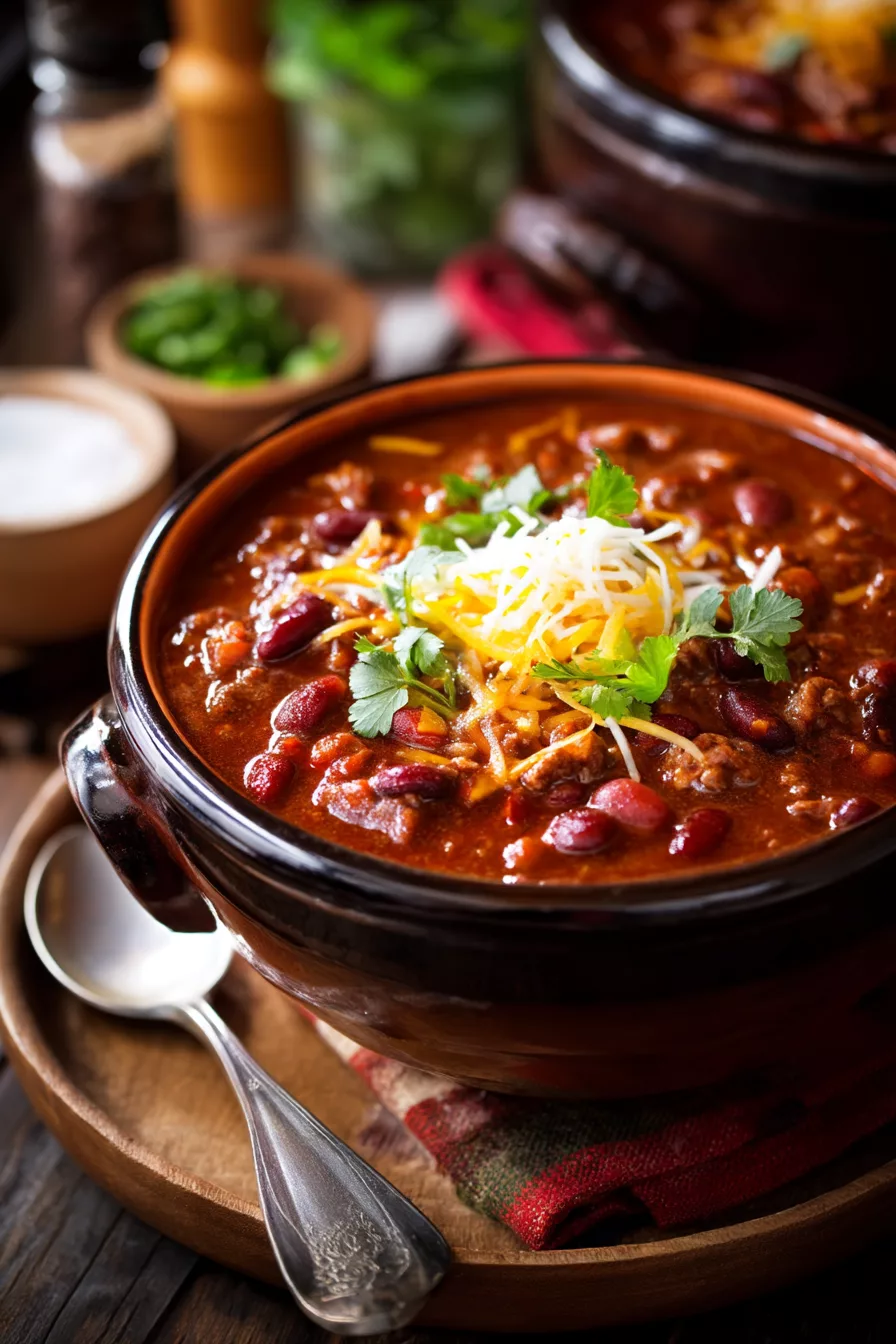
Nutritional Value of Bean Chili
Bean chili isn’t just tasty comfort food; it’s actually pretty good for you. First off, it’s loaded with fiber that helps your digestion and keeps you feeling full. The mix of beans gives you both soluble and insoluble fiber, which is great for gut health.
It’s also a solid source of protein, especially if you’re not eating meat. Beans have all the amino acids you need, so they help repair muscle and keep you strong. With more people choosing healthier meals, bean chili is a smart swap for meat-heavy dishes.
Plus, bean chili can help your heart and even with weight control. The soluble fiber in beans can lower cholesterol, and since beans have a low glycemic index, they’re better for blood sugar. Compared to regular meat chili, your bean version usually has fewer calories and less bad fat.
Essential Ingredients for Bean Chili
A great bean chili starts with a few key things: beans, tomatoes, and spices. But you can add loads of extras to make it yours:
Start with canned or dried beans—whatever you got. Diced tomatoes (canned or fresh) give acidity to cut through the richness of the beans. Onions and garlic are the basic aromatics that build the flavor.
Spices like chili powder, cumin, and smoked paprika bring warmth and depth. Fresh herbs like cilantro or oregano add brightness. You can toss in bell peppers, corn, or zucchini for more color and texture. Using fresh ingredients usually tastes brighter, but canned stuff works if you’re in a hurry.
Detailed Bean Chili Recipe
Ready to make your own batch? Here’s an easy recipe for a crowd or just a cozy night:
Ingredients
- 2 cans mixed beans (black, kidney, pinto)
- 1 can diced tomatoes (14 oz)
- 1 medium onion, diced
- 2 cloves garlic, minced
- 1 bell pepper, chopped
- 1 tablespoon chili powder
- 1 teaspoon cumin
- ½ teaspoon smoked paprika
- ½ teaspoon salt
- ½ teaspoon black pepper
- Optional: fresh jalapeños, corn, or zucchini
- Toppings: sour cream, cheese, avocado, cilantro
Directions
- Heat a big pot over medium. Add onion and garlic, cook 2 minutes or till soft.
- Stir in bell pepper and cook 5 more minutes.
- Mix in chili powder, cumin, smoked paprika, salt, and pepper. Toast spices for about a minute.
- Add beans and tomatoes with their juice. Stir everything together.
- Let it simmer 20–30 minutes, stirring sometimes.
- Check the taste, add more salt or spice if you want, then serve hot with toppings.
Extra Tips
- For deeper flavor, chill it overnight and reheat before eating.
- You can use a slow cooker or Instant Pot if you prefer set-and-forget cooking.
Variations of Bean Chili
Bean chili is super flexible. Try these twists:
- Vegan/Vegetarian: Use veggie broth and skip dairy toppings.
- Gluten-Free: Most chilis are naturally GF, just check your spices.
- Extra Spicy: Add serrano or habanero peppers, hot sauce, or extra chili powder.
- Southwestern Style: Mix in corn and top with avocado for a fresh twist.
Serving Suggestions
- Cornbread: Cornbread, rice, or a green salad go great with chili.
- Creative Ideas: Serve in bread bowls, over nachos, or rolled in burritos.
- Drinks: A cold beer, a glass of red wine, or iced tea is perfect alongside.
Storing and Reheating Bean Chili
- Keep leftovers in an airtight container in the fridge for 4–5 days.
- Freeze chili in a freezer-safe bag or container for up to 3 months.
- Reheat on the stove or microwave with a splash of water or broth to keep it moist.
FAQs About Bean Chili
- What’s the difference between chili and bean chili? Chili usually has meat, bean chili puts beans in the spotlight.
- Can I freeze bean chili? Absolutely—freeze it for up to three months.
- How do I thicken my chili? Mash some beans, add cornmeal, or simmer uncovered to let liquid reduce.
- Is bean chili healthy? Yes, it’s full of fiber and protein and usually lighter than meat chili.
- Which beans are best? Black, pinto, and kidney are classics, but mix and match to your taste.
Conclusion
Bean chili is a tasty, nutritious dish with roots in many cultures. You can stick to the old recipes or mix in your own favorites to make it unique. So grab your beans, spices, and a big pot, and start crafting your very own bowl of bean chili today!

bean chili
Equipment
- 1 large pot or Dutch oven
- 1 wooden spoon
- 1 chopping board
- 1 sharp knife
- 1 measuring cups and spoons
- 1 can opener
Ingredients
- 2 tablespoons olive oil
- 1 medium onion, diced
- 2 cloves garlic, minced
- 1 bell pepper, diced
- 2 carrots, diced
- 1 zucchini, diced
- 1 can (15 oz) kidney beans, drained and rinsed
- 1 can (15 oz) black beans, drained and rinsed
- 1 can (15 oz) diced tomatoes
- 2 cups vegetable broth
- 2 tablespoons chili powder
- 1 tablespoon ground cumin
- 1 teaspoon smoked paprika
- salt and pepper to taste
Instructions
- Heat olive oil in a large pot or Dutch oven over medium heat.
- Add diced onion and sauté for about 5 minutes until translucent.
- Stir in minced garlic, bell pepper, and carrots. Cook for another 5 minutes until slightly softened.
- Add zucchini, kidney beans, black beans, diced tomatoes (with juices), and vegetable broth to the pot. Mix well.
- Season the mixture with chili powder, ground cumin, smoked paprika, salt, and pepper. Stir to combine.
- Bring the chili to a gentle boil, then reduce the heat to low. Cover and let simmer for 20 minutes, stirring occasionally.
- Taste and adjust seasoning if necessary. Serve hot with optional toppings if desired.
- For extra heat, you can add chopped jalapeños or a dash of cayenne pepper.
- If you prefer a thicker chili, allow it to simmer uncovered for an additional 10 minutes.
- This chili can be stored in the refrigerator for up to 5 days or frozen for up to 3 months. Reheat thoroughly before serving.